The 2000s File Feature
Fall
Fall — Clay Walker Country Radio in the Late 2000s The fall of 2007 on country radio had a specific quality: the genre was navigating between its traditional…
01 The Story
Fall — Clay Walker
Country Radio in the Late 2000s
The fall of 2007 on country radio had a specific quality: the genre was navigating between its traditional storytelling roots and the crossover ambitions that had made artists like Tim McGraw and Kenny Chesney genuine pop phenomena. Into this landscape came Clay Walker with Fall, a ballad built around the simple but durable metaphor of seasonal change as an expression of romantic feeling. Walker had been a consistent presence on country radio since the mid-1990s, and Fall represented him operating in the mode that had always suited him best: the earnest, melodically generous love song delivered with a voice that made sincerity sound effortless.
Clay Walker's Career Arc
Clay Walker had enjoyed considerable success in the 1990s, scoring a string of number-one country singles including "What's It to You" and "Live Until I Die" that established him as a reliable hitmaker with broad country radio appeal. The decade that followed brought personal challenges, including his diagnosis with multiple sclerosis in 1996, a health reality he handled with public grace that enhanced rather than diminished the goodwill his audience felt toward him. By 2007, Walker was releasing music for BNA Records as a veteran artist with an established fan base and a track record that gave him credibility on country radio without the pressure of being a new act proving himself for the first time.
The Climb to the Charts
Fall demonstrated exactly the kind of patient chart trajectory that country radio could produce for the right artist. The single debuted on the Billboard Hot 100 on September 22, 2007, entering at number 94. From there it climbed steadily, reaching 89, then 84, then 82, then continuing to ascend through the autumn months with the persistence of a ballad that resonated more the more times listeners heard it. It reached its peak position of number 55 on December 8, 2007, arriving at its highest point in the season whose name it shared. The timing felt almost planned, a song about autumn finding its peak audience exactly as the leaves were finishing their turn.
The Staying Power of 18 Weeks
Country radio has always rewarded songs that grow with repeated listening rather than burning bright and fading fast, and Fall exemplified this pattern. The single spent 18 weeks on the Billboard Hot 100, a run that reflected genuine country radio airplay support rather than the streaming-driven spikes that would reshape chart mechanics in the following decade. Eighteen weeks on the Hot 100 represented real, sustained audience investment, the kind that only comes when programmers and listeners alike find something in a record that holds up over multiple plays. A romantic metaphor as cleanly constructed as the seasonal change in Fall provided exactly that kind of durability.
The Sound of the Record
The production on Fall followed the template of late-period 2000s country pop, clean without being sterile, melodically generous without crossing into schmaltz. Walker's voice had aged well from his earlier recordings; the slightly rougher edges gave his delivery more emotional texture than his earlier hit-making period had shown. The seasonal metaphor at the heart of the song allowed for imagery that was concrete and evocative, giving Walker something specific to sing about that translated immediately into visual and emotional experience for the listener. Falling leaves and cooling air are universally understood as signifiers of change, of transition, and the song used that vocabulary with the confidence of a songwriter who understood exactly what those images carry.
A Veteran's Steady Hand
What makes Fall interesting in the context of Clay Walker's broader career is its demonstration of how veteran country artists operated in an era increasingly dominated by new faces. Walker did not need a gimmick or a genre experiment to find his audience in 2007; he needed a well-made song that played to his genuine strengths as a vocalist and a performer. Fall was exactly that. Go back and listen and you will hear an artist completely comfortable with what he does best, which turns out to be more than enough.
"Fall" — Clay Walker's singular moment on the 2000s charts.
02 Song Meaning
Fall — Themes and Legacy
Seasonal Change as Emotional Language
The most fundamental artistic decision in Fall by Clay Walker is the choice of its central metaphor. Autumn has occupied a privileged position in Western romantic and poetic tradition for centuries, carrying connotations of change, endings, transition, and the particular beauty of things that are beautiful precisely because they are temporary. Country music has always drawn on nature imagery as a way of grounding emotional content in the concrete and the visual, and Walker's use of the fall season as a vehicle for romantic feeling sits squarely within that tradition. The metaphor works because it is genuinely resonant rather than merely decorative.
Love and Timing
The emotional territory of Fall is concerned with the relationship between romantic feeling and the passage of time. Falling in love is placed in explicit conversation with falling leaves, with the sense that something is happening that is beautiful, transformative, and connected to a moment rather than a permanent state. This temporal dimension gives the song a bittersweet quality that distinguishes it from purely celebratory love songs. The implication that this particular season of feeling is precious partly because it belongs to a specific time creates an emotional depth that audiences responded to over its 18 weeks on the Hot 100.
The Country Ballad's Enduring Formula
Country music's most durable commercial format has always been the mid-tempo or slow ballad built around a concrete metaphor from everyday or natural experience. The genre developed this formula over decades of radio programming, and it works because it creates an immediate emotional image that listeners can inhabit without difficulty. Clay Walker was a practitioner of this form at its most refined, neither attempting to subvert it nor simply executing it mechanically. His sincerity as a vocalist gave the familiar format personal specificity, which is ultimately what separates country ballads that endure from those that fade after a single radio season.
Vulnerability and Strength in Country Music
The version of masculinity that Fall presents deserves attention as a cultural artifact. The narrator of the song is openly experiencing romantic vulnerability, using the language of falling rather than the language of control or pursuit. This was not unusual for country music, which had always permitted male artists to express romantic emotion more openly than rock or hip-hop typically allowed. Walker's willingness to inhabit the language of emotional openness reflected country music's distinct relationship to sentiment among American popular genres. The song functioned as permission for listeners who wanted to express similar feelings but lacked a vehicle for doing so.
Legacy in Walker's Catalog
Fall holds a specific place in Clay Walker's discography as a record from his second commercial chapter, after the peak of his 1990s hitmaking period. It demonstrated that his audience remained loyal and that his talent for the romantic ballad had not diminished with the passage of time. The song's 18-week chart run and peak at number 55 on the Hot 100 represented genuine commercial achievement for a country single from an artist a decade past his initial breakthrough. For fans who had followed Walker from the beginning, Fall confirmed what they already believed: that the right song in the right voice at the right time does not require trend-chasing to find its audience.
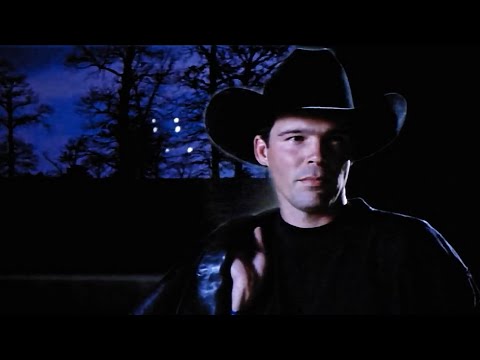
"Fall" — Clay Walker's singular moment on the 2000s charts.
→ More from Clay Walker
View all Clay Walker hits →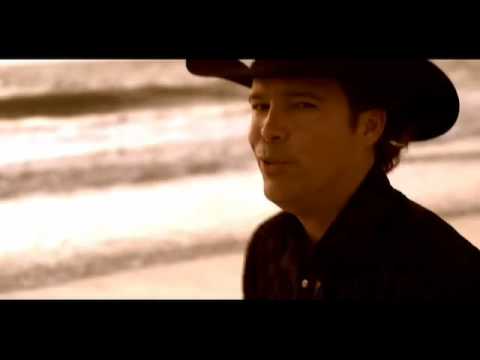



→ More from the 2000s File
View all 2000s hits →




Keep digging