The 2000s File Feature
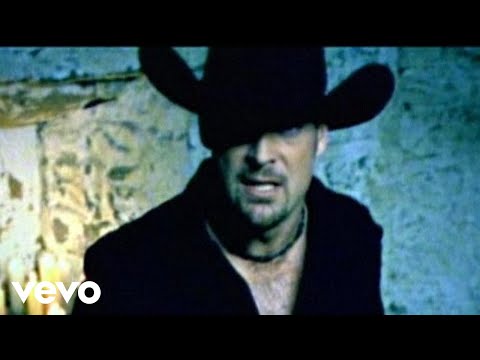
Miss Me Baby
Miss Me Baby by Chris Cagle: Chart History and Reception Chris Cagle released "Miss Me Baby" in 2005 as a single from his third studio album Anywhere But Her…
01 The Story
Miss Me Baby by Chris Cagle: Chart History and Reception
Chris Cagle released "Miss Me Baby" in 2005 as a single from his third studio album Anywhere But Here, issued through Capitol Nashville. Cagle had established himself in the early 2000s as a reliable presence on country radio with a sound that blended traditional country structures with a youthful, energetic appeal. His debut single "My Love Goes On and On" had introduced him to country audiences in 2000, and subsequent releases including "I Breathe In, I Breathe Out" and "Chicks Dig It" had demonstrated his ability to generate commercial momentum on the Billboard Hot Country Songs chart.
"Miss Me Baby" arrived at a moment when Cagle's career was navigating the pressures of sustaining early success. Anywhere But Here was produced to consolidate his commercial standing, and "Miss Me Baby" was selected as a lead single because it captured the melodic directness and emotional accessibility that had defined his most successful earlier material. The song is built around a classic country heartbreak theme, with a production approach that was firmly rooted in the mainstream Nashville sound of the mid-2000s, a period when polished, radio-ready country was commercially dominant.
The track performed solidly on country radio, reaching the top twenty on the Billboard Hot Country Songs chart, a result consistent with Cagle's established commercial profile. Capitol Nashville's promotional operation was experienced at working country radio formats, and "Miss Me Baby" received substantial airplay across the network of country stations that constituted the primary distribution channel for new country music in 2005. The song's accessibility made it an easy fit for programmers, with a hook that rewarded casual listening without demanding deep engagement.
Chris Cagle's career in the mid-2000s is an instructive case study in the dynamics of mainstream country music during a transitional period. The genre was experiencing the last years of the late-1990s commercial boom, when artists like Shania Twain, Garth Brooks, and Tim McGraw had expanded country's audience dramatically. By 2005, that expansion was beginning to consolidate around a more defined sound, and Capitol Nashville was among the labels managing the tension between sustaining proven formulas and identifying the next generation of commercial approaches.
Cagle's personal life generated considerable tabloid coverage in the mid-2000s, and the narrative around his public image complicated the reception of his music during this period. Despite this context, "Miss Me Baby" was received on its musical merits by country radio programmers and audiences, who responded to its straightforward emotional content and polished production. The song appeared on Anywhere But Here alongside other tracks that demonstrated Cagle's range within the mainstream country format, including uptempo material and more introspective ballads. The album was produced in Nashville by teams that specialized in the clean, radio-ready arrangements that defined the mid-2000s country mainstream, with acoustic guitar, pedal steel, and tight rhythm section work forming the backbone of the production.
The album as a whole was a commercial performer, benefiting from Cagle's established fan base and Capitol Nashville's promotional infrastructure. Country radio airplay in 2005 remained the dominant driver of country music commercial performance, and the label's ability to secure rotation for "Miss Me Baby" across major market stations was the central factor in the song's chart performance. Physical single sales, still a meaningful commercial metric in 2005 before streaming had restructured the industry, contributed to the track's overall commercial profile.
Cagle would go on to release additional music in subsequent years, including work on independent labels, as the country music industry's major-label structure underwent significant changes in the late 2000s. His catalog from the Capitol Nashville years, including "Miss Me Baby," remained part of his live performance setlists and continued to generate royalty income through country radio licensing. The song occupies a specific niche within mid-2000s mainstream country, representing the polished heartbreak ballad that the format reliably produced and consumed during that era.
02 Song Meaning
What "Miss Me Baby" Means in Chris Cagle's Catalog
"Miss Me Baby" operates firmly within the heartbreak tradition that has been central to country music since its earliest commercial days. The song explores the psychological aftermath of a romantic separation, specifically the hope or expectation that the person who has been left behind will eventually feel the absence of what was lost. This is a theme country music has returned to countless times across decades, and what distinguishes particular treatments of it is the emotional register and the specific details that give the universal theme a local habitation.
Cagle's approach on the track is defined by sincerity rather than irony or self-awareness. The song does not wink at its own conventions or attempt to subvert them; it inhabits them fully, trusting that a listener who has experienced the particular ache of missing and being missed will find something genuinely resonant in the straightforwardness of the emotional argument. This directness is characteristic of the mainstream Nashville sound of the mid-2000s, a period when the genre's commercial infrastructure was built around accessibility and emotional legibility over formal experimentation.
Within Cagle's Capitol Nashville catalog, "Miss Me Baby" sits alongside other tracks that demonstrate his consistent engagement with relationship themes from a male perspective. His most successful earlier work, including "I Breathe In, I Breathe Out," also dealt with romantic loss and emotional vulnerability, suggesting that this was the artistic territory where his voice was most naturally at home. The song is not a departure or an experiment; it is a consolidation, an artist returning to the emotional ground where he had already established credibility with his audience.
The production choices on "Miss Me Baby" reinforce its emotional content. The arrangement is clean and radio-ready, with guitar work that sits in the mainstream country tradition rather than pushing toward the harder country rock sounds that some of Cagle's contemporaries were exploring. The production does not overwhelm the lyrical content; instead it serves it, providing a backdrop against which the emotional logic of the song can unfold clearly. This serviceability is characteristic of the best Nashville production of the era, which understood that radio listeners needed to absorb a song's central emotional argument quickly and efficiently.
The song also carries meaning in terms of what it represents about the commercial country landscape of 2005. Country music radio in this period was one of the most tightly formatted broadcast environments in American media, and the songs that succeeded on it shared certain qualities: melodic memorability, lyrical clarity, emotional familiarity, and production values that met the technical standards of the format. "Miss Me Baby" met all of these criteria convincingly, which is why it received the airplay it did. In this sense, the song is a small but legible document of what mainstream country music valued in the middle of the decade, a set of aesthetic priorities that would begin to shift substantially as streaming and social media began to reorganize the music industry's commercial logic in the years that followed. Country radio's iron grip on the genre's commercial destiny was still fully intact in 2005, and "Miss Me Baby" succeeded precisely because it understood and respected the rules of that environment. It is a song at peace with its own conventions, and that acceptance is central to its lasting modest appeal among listeners who value craft over novelty.
→ More from Chris Cagle
View all Chris Cagle hits →

→ More from the 2000s File
View all 2000s hits →




Keep digging