The 2000s File Feature
A Different World
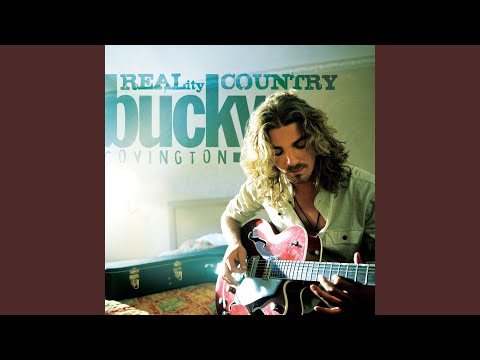
A Different World — Bucky Covington American Idol's Country Pipeline and the Class of 2006 The fifth season of American Idol in 2006 produced an unusual volu…
01 The Story
A Different World — Bucky Covington
American Idol's Country Pipeline and the Class of 2006
The fifth season of American Idol in 2006 produced an unusual volume of commercially viable country music careers, a fact that surprised some observers given that the show's voting base skewed toward pop and rock preferences. Bucky Covington finished eighth in that competition, a position that would have meant obscurity for contestants in earlier eras but which, by 2006, came with enough name recognition and television exposure to serve as a genuine launchpad. He signed with Lyric Street Records and proceeded to release material that connected with country radio audiences in ways that his Idol performances had only hinted at.
"A Different World" became his signature song, a nostalgic reflection on growing up in an earlier era of American life, written from the perspective of someone who recognizes that the world their children inhabit is fundamentally unlike the one they experienced. It was the kind of song with specific resonance for country radio's core demographic: listeners old enough to remember the conditions being described and young enough to be raising children in the present circumstances.
The Sound and Its Roots
The production on "A Different World" places it squarely within the country mainstream of the mid-2000s: acoustic guitar foundations, a full band arrangement, and a vocal production that emphasizes warmth and sincerity over technical refinement. Covington's voice has a roughness and directness that suited the material well; the song required a singer who could make the nostalgia feel lived-in rather than performed, and his delivery accomplished that.
The lyrical content draws heavily on specific generational touchstones: the relative freedoms of outdoor childhood in earlier decades, the absence of the technological mediation that defines contemporary youth experience, and the general sense that the world's pace and complexity have accelerated beyond what previous generations could have imagined. These are not uniquely country concerns, but country music had developed a particular facility for addressing them.
A Marathon Chart Run
The track debuted on the Billboard Hot 100 on May 5, 2007, entering at number 63. Its trajectory over the following months was unconventional: the song actually declined in the early weeks before finding its footing, dropping to the 80s before beginning a long, slow climb. It reached its peak position of number 58 on August 18, 2007, after spending twenty weeks on the Hot 100. That extended, slow-building chart run is characteristic of country crossovers that gain traction through sustained radio play rather than digital sales spikes.
Country singles in this era regularly demonstrated this pattern: a relatively modest entry followed by an extended period of airplay accumulation, as country radio programmers added the track to their rotations and audiences heard it repeatedly enough to develop genuine attachment. The twenty-week Hot 100 run far exceeds the chart lifetime of many higher-peaking singles from the same period.
Lyric Street Records and the Country Radio Machine
Lyric Street Records, the label that released the track, was Disney's country imprint at the time, home to a roster of artists including Rascal Flatts, whose commercial success had proven the imprint's ability to break and sustain country acts at a high level. The label's relationships with country radio were strong enough to give "A Different World" the extended promotional support required for the kind of slow-build chart performance it ultimately achieved.
The American Idol association remained a useful promotional tool even at this late stage: Covington's television visibility had created a national name recognition that most debut country artists had to build over years of touring and radio play. The combination of that awareness with Lyric Street's promotional infrastructure gave the record advantages that a conventional label debut would not have had.
Nostalgia as Country's Most Reliable Currency
The success of "A Different World" reflects one of country music's most durable commercial strategies: nostalgia executed with enough specificity to feel genuine rather than generic. The song does not yearn for a vague, idealized past; it populates its nostalgic vision with the kinds of details that listeners can recognize from their own memories or their parents' stories. That specificity is what separates effective nostalgia from sentimental cliche, and the song earns its emotional resonance through it.
Bucky Covington built a modest but real country career on the foundation that "A Different World" established, and the song remains his most enduring commercial achievement. Press play and the warmth of the production is immediate: it sounds exactly like the radio of a particular American moment, which is the highest compliment available to a song of this type.
"A Different World" — Bucky Covington's singular moment on the 2000s charts.
02 Song Meaning
A Different World — Themes, Meaning, and Legacy
Nostalgia as a Form of Testimony
At its core, "A Different World" is an act of testimony. The narrator is not simply lamenting a lost past for its own sake; he is describing that past to children who cannot have experienced it, offering them a form of comparison that the song implies they need. The world the narrator grew up in had different textures, different freedoms, different dangers, and a different relationship between community and individual that the present cannot simply replicate. The nostalgic impulse here is testimonial rather than escapist: this is what existed, this is what was real, and it matters that you know it.
Country music has consistently provided space for this kind of intergenerational testimony in ways that other popular genres have not, maintaining a stronger explicit relationship with memory, place, and the felt texture of earlier ways of living. "A Different World" is a particularly direct example of the genre's capacity for this function.
Childhood Freedom and the Changing Landscape of Risk
The specific content of the nostalgia in "A Different World" centers on a version of childhood that involves outdoor play, relative parental absence, and a sense of self-directed time that has become increasingly rare in the managed, scheduled, screen-mediated childhoods that characterized the 2000s. The song does not frame this as a moral failure of contemporary parenting but as a social change whose causes lie outside any individual's control, a shift in the landscape of risk and attention that has transformed what childhood looks and feels like.
This framing gives the song broader appeal than it would have had with a more judgmental tone. Parents who want more freedom for their children but live within circumstances that constrain it find in the song a recognition of their situation rather than a critique of their choices.
The Country Audience and Generational Memory
Country radio's core audience in 2007 was heavily concentrated in listeners who were old enough to have genuine personal memories of the childhood the song describes. The mid-century and early postwar decades that "A Different World" implicitly references were the lived experience of listeners in their forties and fifties, and the song's specific nostalgic content would have activated personal memory in ways that more abstract evocations of the past could not.
That activation of personal memory is a powerful commercial mechanism: a song that makes you remember something real from your own life creates an emotional investment that extends its chart and radio life considerably beyond what its initial impact might suggest. The twenty-week Hot 100 run was sustained partly by this mechanism.
The Idol Effect and Country's Relationship with Authenticity
Bucky Covington's American Idol origins raised questions for some country listeners about the authenticity of his connection to the genre's values and traditions. "A Different World" functioned partly as an answer to those implicit questions, demonstrating that the artist could inhabit the emotional and social territory that country music's audience expected with genuine conviction. The song's nostalgic content aligned him with country's core values, its relationship with place, community, and continuity, more effectively than any amount of promotional language could have accomplished.
The song's endurance, and the continued interest in it that has built through streaming and YouTube, suggests that the connection it made with its initial audience was genuine enough to survive the test of time.
"A Different World" — Bucky Covington's singular moment on the 2000s charts.
→ More from Bucky Covington
View all Bucky Covington hits →
→ More from the 2000s File
View all 2000s hits →

Keep digging