The 2000s File Feature
A Change Is Gonna Come
The Story Behind A Change Is Gonna Come by Adam Lambert A Rising Star Fresh Off Reality Television In the summer of 2009, Adam Lambert was one of the most ta…
01 The Story
The Story Behind "A Change Is Gonna Come" by Adam Lambert
A Rising Star Fresh Off Reality Television
In the summer of 2009, Adam Lambert was one of the most talked-about performers in America, having just completed a runner-up finish on the eighth season of American Idol that showcased his theatrical vocal range and fearless stage presence. Before launching into his own original material, Lambert, like many Idol finalists, released a cover recording that let him demonstrate his interpretive range on a song already beloved by generations of listeners across many genres. Tackling this particular classic was a bold choice, given its towering status in American music history and its deep association with the civil rights movement.
A Soul Classic Reinterpreted for a New Audience
Originally written and recorded by Sam Cooke, the song had long been recognized as one of the most powerful and moving compositions in American popular music, its themes of struggle and hope for eventual justice cementing its place as an unofficial anthem of the civil rights era. Lambert's version brought his theatrical, powerhouse vocal style to the material, translating the song's soul roots into something suited to his own dramatic sensibility while working to honor the emotional weight of the original recording that inspired it.
A Brief Debut on the Hot 100
The single entered the Billboard Hot 100 on June 6, 2009, debuting and peaking simultaneously at number 56. It spent one week on the chart, a modest but notable showing for a cover version released during the intense media spotlight surrounding that season's American Idol finale. Given the massive television viewership around Lambert at the time, even a brief chart appearance reflected substantial immediate consumer interest, driven largely by digital downloads from fans eager to own a recording of his standout televised performance from the finale broadcast.
A Launching Pad for a Pop Career
This cover arrived at a pivotal transitional moment, positioned between Lambert's reality television fame and his emergence as a genuine pop recording artist. Later that same year, he would release his debut studio album, which showcased original material far removed stylistically from this soulful cover, establishing him instead as a glam-influenced pop and rock vocalist. Looking back, this single stands as an interesting bridge between the two chapters of his early career, the televised talent competition and the pop stardom that followed soon after.
Balancing Reverence and Reinvention
Covering a song this culturally significant on a platform as visible as network television carried real risk, and Lambert's performance was scrutinized accordingly by critics and longtime fans of the original. That he emerged from the moment with his reputation enhanced rather than diminished speaks to the care he brought to the interpretation, treating the source material with respect while still making it recognizably his own.
A Testament to Vocal Range
While it did not become a signature hit within Lambert's broader discography, the recording remains a compelling showcase of his vocal power and interpretive ability, qualities that would go on to define much of his subsequent career, including his eventual role fronting reinterpretations of classic rock material with surviving members of Queen. It stands as an early example of his ability to take on iconic material and make it distinctly his own.
Press play and hear a soon-to-be pop star testing his voice against one of soul music's most towering compositions.
"A Change Is Gonna Come" — Adam Lambert's singular moment on the 2000s charts.
A Performance Still Remembered
Years later, clips of Lambert's original televised performance of the song continue to circulate among fans, a testament to how memorable the interpretation remained even after its brief commercial chart life had long since concluded and the news cycle around that season of the show had moved on.
An Early Signal of Things to Come
Looking back, the choice to cover a song of such gravity so early in his career previewed the ambitious, genre-spanning instincts that would come to define Lambert's output for years afterward, an artist never content to stay within a single stylistic lane for very long.
02 Song Meaning
What "A Change Is Gonna Come" Is Really About
An Anthem Born From Struggle
The song, originally written by Sam Cooke, channels the exhaustion and enduring hope of living through systemic injustice, expressing weariness with a difficult present while holding firmly onto belief in eventual, inevitable progress. Its themes of patience under hardship and unwavering faith in future justice made it one of the defining musical statements of the civil rights movement, a song that carried real weight far beyond typical pop songwriting of its original era.
Carrying Historical Weight Into a New Performance
When an artist like Lambert takes on a song this historically significant, the performance inevitably carries a dual meaning, honoring the specific struggle the song originally addressed while also demonstrating the composition's broader, timeless power to speak to hope and perseverance more generally. Interpreting a song of this magnitude requires a delicate balance between reverence for its original context and genuine emotional investment in the performance itself, something not every cover manages successfully.
Universal Themes of Endurance
Beyond its specific historical roots, the song's central message, that change arrives slowly but surely for those who endure hardship with hope intact, resonates broadly across countless personal and social struggles far removed from its original context. That universality is part of why the song has remained a touchstone for artists across genres and generations, each finding new resonance in its themes depending on the particular moment in which they perform it.
A Showcase for Vocal Emotion
For a performer like Lambert, freshly emerged from a competition built entirely around vocal showcase moments, this song offered a chance to demonstrate genuine emotional interpretation rather than mere technical skill. The composition's slow build and dramatic dynamic shifts rewarded precisely the kind of theatrical vocal instincts that had made him a standout competitor, giving him room to convey longing, weariness, and hope within a single performance.
The Responsibility of Reinterpretation
Taking on a song this significant means accepting a certain responsibility to the history behind it. Listeners familiar with the original inevitably measure any new version against Cooke's legacy, and part of what made Lambert's rendition notable was its willingness to sit inside that comparison rather than shy away from it, delivering the material with evident sincerity.
Why the Song Endures
Decades after its original release, the song continues to be covered and referenced because its message never becomes obsolete. Every generation faces its own version of the struggle the song describes, and every new interpretation, including Lambert's, adds another layer to its ongoing legacy as one of American music's most enduring statements of hope.
A Reminder of Music's Healing Function
At its most basic, the song exists to remind listeners that hardship is survivable and that hope, however distant it may feel in the moment, remains a legitimate response to struggle rather than naive wishful thinking, a message every generation eventually needs to hear again in its own way.
→ More from Adam Lambert
View all Adam Lambert hits →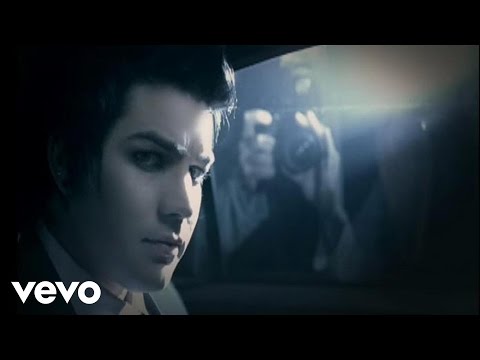




→ More from the 2000s File
View all 2000s hits →




Keep digging