The 1990s File Feature
The Star Spangled Banner
The Unforgettable The Star Spangled Banner by Whitney Houston Picture a packed stadium in Tampa in January 1991, the country gripped by tension as conflict r…
01 The Story
The Unforgettable "The Star Spangled Banner" by Whitney Houston
Picture a packed stadium in Tampa in January 1991, the country gripped by tension as conflict raged overseas, and a hush falling over the crowd. Then Whitney Houston stepped up and delivered a rendition of the national anthem so commanding that it instantly redefined how the song could be sung. Her performance became a cultural event in its own right, far transcending the football game it opened.
A Superstar at Her Peak
By 1991 Whitney Houston was one of the biggest voices on the planet, a singer whose technical gifts and emotional power had made her a defining star of the era. She had already conquered the charts repeatedly, and her voice was widely regarded as among the finest of her generation. When she was tasked with performing the national anthem at the Super Bowl, the assignment carried unusual weight given the anxious national mood. She approached it not as a routine ceremonial duty but as a full artistic performance.
A Bold Reimagining
What set her version apart was both arrangement and delivery. The performance was set to a lush orchestral backing and arranged in a way that gave the notoriously difficult melody room to breathe and soar. Houston sang it with a gospel-inflected power and precision, building toward climactic moments that sent the crowd into a roar. She treated the anthem as a vehicle for genuine emotion rather than stiff formality, and her control over the demanding melody was simply staggering. The result felt less like a recitation and more like a triumphant ballad.
From Stadium to the Hot 100
The performance generated such overwhelming demand that it was released as a single, a rare feat for the national anthem. On the Billboard Hot 100 it debuted at number 32 on March 9, 1991, then climbed across the following weeks. It reached its peak position of number 20, in the week of March 30, 1991, and spent 11 weeks on the Hot 100, a remarkable showing for a patriotic standard. Its chart presence reflected a public that wanted to own a piece of a performance they recognized as historic.
A Performance for the Ages
Houston's rendition is now routinely cited as one of the greatest performances of the national anthem ever given. It gained added poignancy from the wartime context, becoming a unifying moment for a worried nation. The recording was later reissued during another period of national crisis, again connecting with listeners seeking comfort and unity. The performance has gathered roughly 51 million YouTube views, ensuring that new generations continue to witness its power. Few live performances of any kind have achieved this level of lasting recognition, and fewer still have managed to become commercial hits in their own right while also entering the historical record as cultural landmarks.
Setting an Impossible Standard
One measure of the rendition's greatness is how it changed expectations for every singer who followed. The national anthem is notoriously difficult to perform, with a wide vocal range that has tripped up countless artists over the years. Houston not only met that challenge but transcended it, delivering the song with a control and emotional generosity that made it seem effortless. In the decades since, her version has stood as the benchmark, the performance other singers are inevitably compared against. That she set a bar few have approached only deepens the legend surrounding the recording.
Why It Still Moves People
Decades later, the performance still raises chills. Press play and listen to a singer at the absolute height of her powers transform a familiar song into something monumental; few renditions of anything have ever felt so definitive.
"The Star Spangled Banner" — Whitney Houston's singular moment on the 1990s charts.
02 Song Meaning
The Meaning Behind "The Star Spangled Banner" by Whitney Houston
As the national anthem, "The Star Spangled Banner" carries a fixed lyrical meaning rooted in resilience and pride. What makes Whitney Houston's version meaningful is the emotional and cultural weight she poured into a song everyone already knew by heart.
Resilience at the Song's Core
The anthem's text describes a flag still standing after a night of battle, a paraphrased image of endurance and survival against the odds. The song has always been about holding on through hardship and emerging intact. Houston's interpretation drew out that theme of perseverance with extraordinary force, making the familiar words feel urgent and alive rather than ceremonial.
A Voice Carrying a Nation's Mood
The performance's deeper meaning came from its timing. Delivered while the country was anxious and at war, it became a vessel for collective emotion, channeling fear, hope and solidarity all at once. Houston's delivery transformed a standard pre-game ritual into a moment of genuine national catharsis. Audiences heard their own anxieties and pride reflected back at them through one of the most powerful voices of the age.
The Power of Interpretation
Houston's version also carries meaning as a statement about artistry itself. It demonstrated how a great singer can take material everyone knows and reveal new emotional dimensions within it. Her gospel-rooted phrasing and soaring control turned the anthem into a personal expression while honoring its public function. The interpretation proved that even the most familiar song can be reborn in the right hands.
A Symbol Beyond the Game
The performance also carries meaning as a piece of shared memory. For many who witnessed it, the rendition became inseparable from the moment in history it accompanied, fusing the song with a specific feeling of national vulnerability and resolve. In that sense its meaning is partly collective, owned by everyone who experienced it together. The decision to release it as a single, and to reissue it years later in another difficult moment, reflects how deeply audiences came to associate the recording with comfort and solidarity in hard times.
Why It Resonated
Listeners connected because the performance met a real emotional need at a fraught moment, offering unity and reassurance when both were scarce. Beyond its original context, it endures as a benchmark of vocal excellence and patriotic feeling. That fusion of perfect timing and once-in-a-generation talent is why Houston's rendition remains the version against which all others are measured. It demonstrated that even a song everyone has heard thousands of times can be made to feel urgent and new in the right hands, and that capacity to surprise an audience with the familiar is a large part of why the performance still moves listeners today.
→ More from Whitney Houston
View all Whitney Houston hits →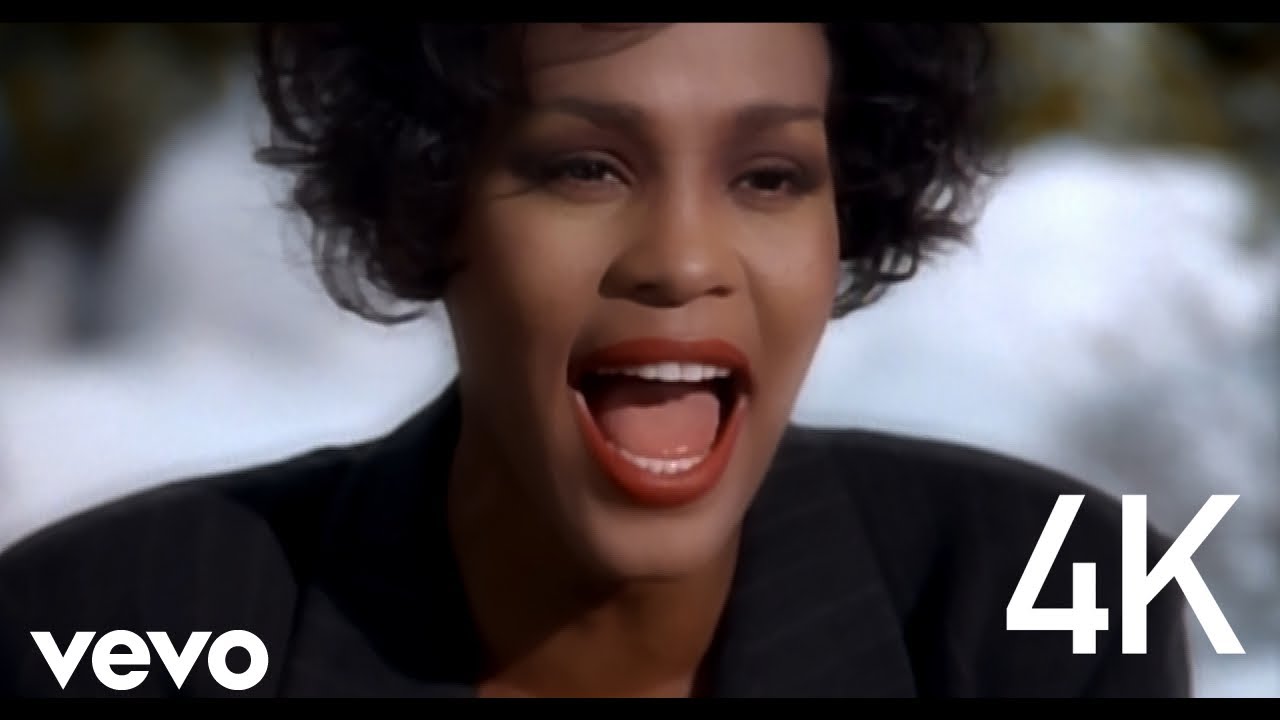


→ More from the 1990s File
View all 1990s hits →
Keep digging