The 1990s File Feature
Sweetest Thing
Sweetest Thing by U2 Imagine the close of 1998, with one of the biggest rock bands on the planet looking back over two remarkable decades. U2 had spent the 1…
01 The Story
"Sweetest Thing" by U2
Imagine the close of 1998, with one of the biggest rock bands on the planet looking back over two remarkable decades. U2 had spent the 1990s reinventing themselves with bold, experimental records, and as the decade wound down they paused to take stock. The result was a career-spanning collection, and tucked within it was a bright, irresistible pop song with a charming backstory.
A Band Looking Back
By 1998, U2 stood among the most successful and respected bands in the world. They had risen from Dublin clubs to global stadiums, defining arena rock in the 1980s and then daringly reinventing their sound in the 1990s with adventurous albums. As the decade closed, the band released a greatest-hits collection covering their early years. This song was chosen as a single to promote that compilation, a way to draw fans old and new toward a survey of the band's beloved catalog.
From B-Side To Hit
The song had an unusual history. It was originally written and recorded years earlier, appearing as a B-side in the late 1980s during the sessions for one of the band's landmark albums. For the 1998 compilation, U2 re-recorded the track, giving it a fresh, polished production that brought out its pop charm. The newly recorded version was brighter and more immediate than the original, a buoyant, melodic song that showcased a lighter side of a band often known for its earnest grandeur. The accompanying music video, filmed on a Dublin street, became a memorable and playful piece in its own right.
A Lighter Side Of U2
Where much of U2's work aimed for emotional and spiritual heights, this song was simply fun. Reportedly written by Bono as an apology to his wife, it carried a self-deprecating charm, the sound of a man cheerfully admitting his shortcomings. The track's breezy energy offered a welcome contrast to the band's more serious material, revealing a warmth and humor that fans cherished. It proved that a band capable of stadium-sized anthems could also turn out a delightful, lighthearted pop gem.
The Chart Run
The single debuted on the Billboard Hot 100 on December 5, 1998, entering at number 66. It moved within a tight range over the following weeks, peaking at number 63 on December 19, 1998, and went on to spend a notable 17 weeks on the Hot 100. While the chart peak was modest for a band of U2's stature, its long stay reflected the enduring appeal of the song and the steady draw of the greatest-hits collection it promoted.
The Memorable Music Video
Much of the song's charm in 1998 came from its delightful music video, filmed on a street in Dublin. The clip featured the band riding through the city on a moving platform while a parade of performers, marching bands, and other spectacles passed by, with Bono cheerfully gesturing his apologies. The video captured the song's lighthearted spirit perfectly, full of warmth, humor, and hometown affection. It became one of the band's most beloved videos, a charming piece of visual storytelling that matched the buoyancy of the music. The video also reinforced the song's narrative of apology and reconciliation, turning the whole package into a delightful celebration of saying sorry with style. It remains a fan favorite, a reminder that U2 could be playful as well as profound.
Press Play
Put this on for a sunny, charming reminder that even the most ambitious rock bands know how to have fun. It is U2 at their most playful, a buoyant pop confection with a smile in every bar. For a band capable of vast, soul-searching anthems, this bright little song proves that they could also do simple delight, and that range is part of what made them one of the most enduring acts in rock history.
"Sweetest Thing" — U2's singular moment on the 1990s charts.
02 Song Meaning
What "Sweetest Thing" Is Really About
This is a song about apologizing to someone you love, delivered with charm and self-deprecating humor. The narrator acknowledges that he has fallen short, that he has hurt or neglected his partner, and he reaches out with a mixture of guilt and affection. It is a love song built around the very human act of saying sorry.
The Art Of The Apology
The central theme is contrition wrapped in tenderness. The narrator admits his failings, recognizing that he has not always treated his beloved as she deserves. The song turns an apology into a kind of love letter, acknowledging fault while reaffirming devotion. That honesty about imperfection gives the song its warmth, presenting a relationship as something worth fighting for even when one partner has stumbled.
Charm And Self-Awareness
What makes the lyric so appealing is its self-deprecating humor. Rather than offering a grand, defensive justification, the narrator cheerfully owns his shortcomings. That self-awareness disarms the listener, turning a potentially heavy subject into something light and endearing. The song understands that a genuine apology often works best when delivered with humility and a touch of humor, and it models exactly that approach.
The Human Side Of Greatness
For a band known for grand, spiritual themes, this song revealed a more intimate and relatable dimension. It addressed an everyday emotional reality, the small failures and reconciliations that fill any real relationship. That grounded humanity made the song especially endearing, showing that even larger-than-life figures grapple with the ordinary work of love and forgiveness. The song's modest scale was part of its charm.
Joy As An Emotional Register
It is worth pausing on how rare pure joy can be in the catalog of a band so associated with weighty themes. U2 built their reputation on songs about faith, politics, and longing, music that reached for transcendence. This song works in a different register entirely, choosing lightness and delight. That shift demonstrates emotional range, proving the band could find meaning in simple happiness as readily as in grand struggle. The buoyant melody and grinning sincerity offer a kind of emotional generosity, a willingness to simply make listeners smile. In its modest way, the song argues that joy and apology and love can coexist in a single bright, three-minute burst.
Why It Connected
The song resonated because nearly everyone has needed to apologize to someone they love. By treating that universal experience with honesty, humor, and a buoyant melody, the song offered both recognition and delight. It reminded listeners that admitting fault can be an act of love, and it did so with a charm that made the message go down easily. In its sunny, self-aware way, the song captured something true about relationships, that the willingness to say sorry, sincerely and with a smile, is one of the sweetest things of all.
→ More from U2
View all U2 hits →




→ More from the 1990s File
View all 1990s hits →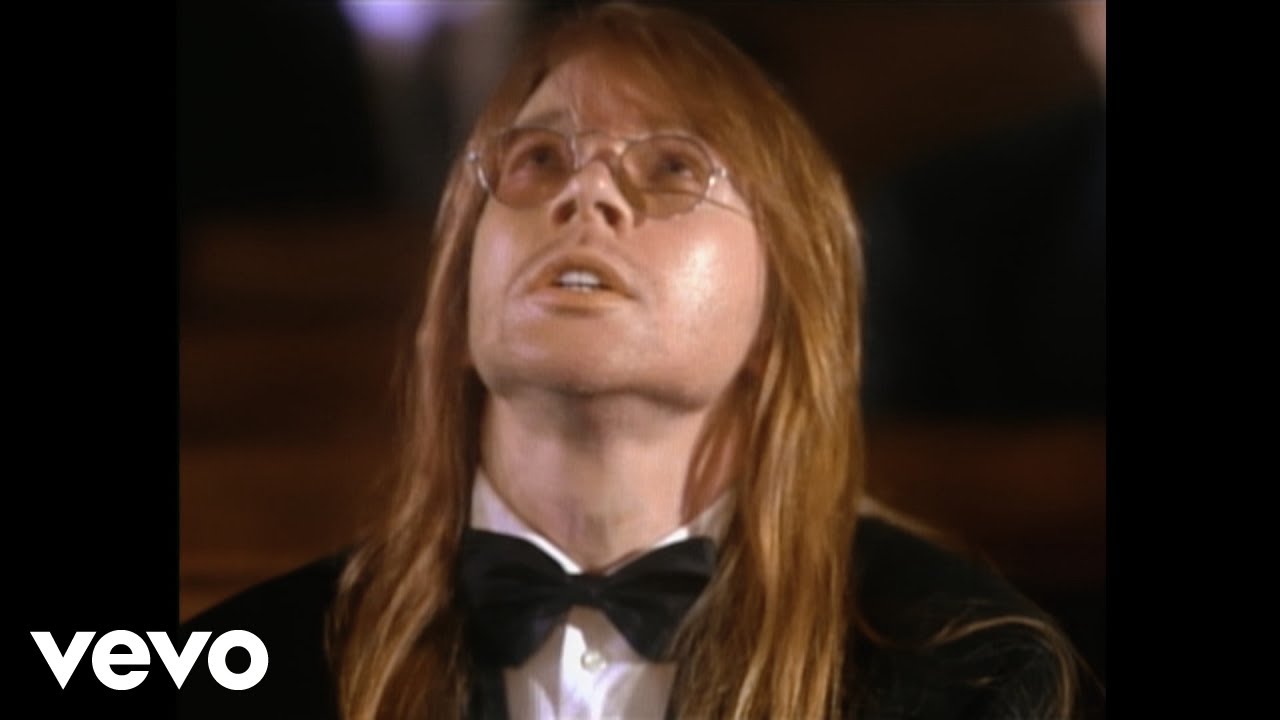




Keep digging