The 1990s File Feature
Pleasure
Pleasure: The Soup Dragons and Their 1992 Hot 100 Moment December 1992 sits near the end of the indie-alternative-dance crossover era that had been one of th…
01 The Story
Pleasure: The Soup Dragons and Their 1992 Hot 100 Moment
December 1992 sits near the end of the indie-alternative-dance crossover era that had been one of the most creatively fertile periods in British pop. The baggy movement, Madchester, and the various Britpop predecessors had created a landscape in which guitars and dance rhythms coexisted productively, and the Soup Dragons had been one of the acts that navigated this landscape with particular commercial instinct. Their 1990 cover of “I’m Free” had given them their biggest commercial moment; “Pleasure” was a later attempt to sustain that momentum in a market that was shifting rapidly around them.
The Soup Dragons and Their British Indie Identity
The Soup Dragons formed in Bellshill, Scotland in the mid-1980s, emerging from the same post-punk indie scene that was producing a wave of British guitar bands. They distinguished themselves from the outset by their willingness to absorb dance music influences into their guitar-based sound, which positioned them advantageously when the late-1980s and early-1990s fusion of indie and dance became commercially significant. Their relationship with American pop audiences was always more complicated than their UK profile, and “Pleasure” was one of their more sustained American chart efforts.
Eight Weeks on the Hot 100
“Pleasure” entered the Billboard Hot 100 on December 12, 1992, at number 85. The following two weeks brought modest gains: 85, 73, before reaching its peak of number 69 on December 26, 1992. The holiday timing of the peak was probably coincidental rather than a function of seasonal appeal, though the timing did place the record in its best chart position during the week when annual radio programming often featured higher-than-usual replay of recent favorites. Eight weeks total on the chart was a solid performance for a British indie act in the American market.
The Sound of Early-1990s Indie Dance
The production approach on “Pleasure” reflected the early-1990s synthesis of guitar textures and dance-floor rhythms that had become characteristic of the most commercially successful British indie music of the period. The influence of house music was present in the rhythm section, while the guitar work maintained the band’s indie identity. This hybrid sound was well suited to the US alternative radio format that was then developing in the wake of Nirvana’s breakthrough, a format that was open to British acts with credible indie credentials and enough commercial appeal to cross over.
The British Invasion Continues
The Soup Dragons’ American chart success in 1992 was part of a broader British presence on American radio at the time. The alternative rock boom that Nirvana had triggered was creating space for a wide range of British acts on American radio and in American sales charts, and the Soup Dragons benefited from this expanded receptivity while also contributing to it. Their Scottish origins and indie credentials made them authentic within the alternative framework that American radio was then defining, which gave their records access to a format that would not have existed for them just a few years earlier.
A Moment of Transition
“Pleasure” appeared during a transitional period for the Soup Dragons, as the commercial landscape was shifting and the specific moment of the indie-dance crossover was beginning to give way to new configurations of popular music. The record captured the band at a moment when their approach still had commercial viability in the American market, before the rapid changes in the alternative landscape made the specific formula they had developed more difficult to sustain. Press play and hear early-1990s British indie pop at its most commercially assured.
The Baggy Movement and Its American Reception
The British baggy and Madchester movements of the late 1980s and early 1990s arrived in America with a time delay that was partly structural and partly a function of the specific way American alternative radio processed British music. Bands like the Stone Roses and the Happy Mondays, who had been commercially dominant in the UK, found more modest American audiences, while acts with slightly more conventional song structures, including the Soup Dragons, sometimes fared better in the American market. The Soup Dragons’ ability to translate their British indie-dance sound into American chart success with both “I’m Free” and “Pleasure” was evidence of a particular kind of cross-Atlantic commercial intelligence that not all their contemporaries possessed.
“Pleasure” — The Soup Dragons’ singular moment on the 1990s charts.
02 Song Meaning
The Simple Statement: What “Pleasure” Was Offering in 1992
Titling a song simply “Pleasure” is an act of directness that announces exactly what the record is setting out to provide. Unlike song titles that promise a specific emotional experience or narrative situation, “Pleasure” makes a more fundamental claim: this is what the song is, and what it wants to create in the listener. That directness was consistent with the Soup Dragons’ approach to music-making at their commercial peak: accessible, immediate, designed to produce a specific physical and emotional response without complicated mediation.
Pleasure as a Musical Value
The early-1990s British indie dance movement was deeply invested in pleasure as a musical value. The dance floor had always been about pleasure, about the transformation of physical movement into something that felt transcendent, and when indie musicians began absorbing dance floor values and techniques into their guitar-based music, pleasure became one of the central organizing principles of the hybrid that resulted. The Soup Dragons’ decision to title a record “Pleasure” was a statement of allegiance to this value: they were not making art that demanded effort or challenged the listener’s comfort; they were making music that wanted to make you feel good.
The Guilt-Free Hedonism of British Indie Dance
There was something philosophically interesting about the hedonism that characterized the baggy and indie dance movements of the late 1980s and early 1990s. It was not the studied, ironic hedonism of previous pop-culture moments, nor the politically charged pleasure-seeking of the 1960s counterculture. It was something more simple and direct: a genuine investment in music as a vehicle for uncomplicated physical and emotional enjoyment. This was, in its own way, a political position, a rejection of the earnest political consciousness that had characterized much British indie music in the Thatcher years in favor of something more immediate and more personal.
The Dance Floor as the Meaning
For music of this kind, the dance floor is not merely where the music is played; it is where the music is fully realized and understood. The meaning of a pleasure record is partly in its lyrics and production, but more fundamentally it is in the experience of dancing to it, of feeling the rhythm take hold of the body and produce the state of engaged, physical pleasure that the title promises. This experience is genuinely difficult to capture in description, which is why music that aims at it tends to resist critical analysis: the analysis inevitably stands at a remove from the experience it is trying to describe.
The Temporality of Pleasure
Pleasure, unlike meaning or value or truth, is inherently temporal: it exists in the moment of its occurrence and then is gone. This gives music designed to produce pleasure a particular relationship to time and memory. A pleasure record is not primarily something to think about after the fact; it is something to inhabit while it is happening. The best such records manage to leave a trace of the pleasurable experience even in memory, a kind of afterglow that gives them a different kind of lasting value than records that work primarily through their lyrical or compositional content.
What Survives
What remains interesting about the Soup Dragons’ pleasure music, including this charting single, is the specific quality of the early-1990s British indie-dance sound: the particular combination of guitar timbres, drum machine rhythms, and production aesthetics that was very much of its moment and that now functions as a sonic time capsule. The pleasure the music was designed to produce is still accessible to listeners who are willing to inhabit the moment it captures, to let the specific textures of 1992 British pop carry them somewhere the rest of the decade’s music cannot reach.
→ More from The Soup Dragons
View all The Soup Dragons hits →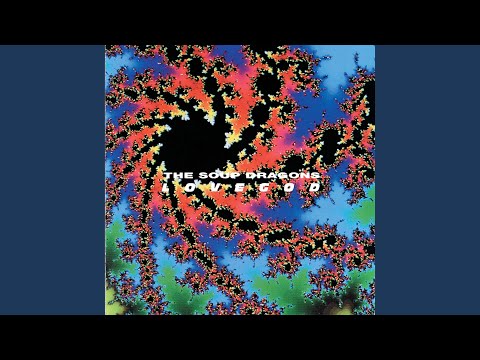

→ More from the 1990s File
View all 1990s hits →



Keep digging