The 1990s File Feature
I'll Be There For You/This House Is Not A Home
I ll Be There For You/This House Is Not A Home by The Rembrandts Picture a Thursday night in the autumn of 1995. The television glows in living rooms across …
01 The Story
"I'll Be There For You/This House Is Not A Home" by The Rembrandts
Picture a Thursday night in the autumn of 1995. The television glows in living rooms across America, and before the story even starts, before you meet the six friends crammed into a Manhattan coffee house, a burst of jangling guitar and four hand claps snap you to attention. That sound belonged to The Rembrandts, and by the time this single crept onto the Billboard Hot 100 it had already become one of the most recognizable pieces of music in the country, whether or not anybody actually knew the band's name.
Two Musicians Who Never Asked For This
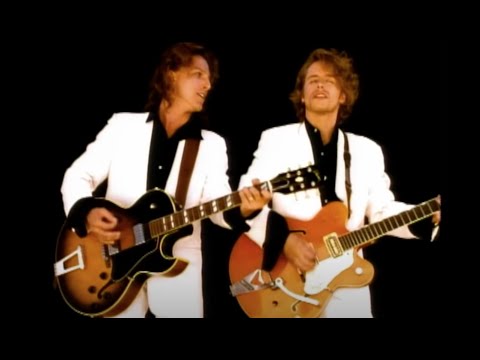
The Rembrandts were, at their heart, Danny Wilde and Phil Solem, a pair of Los Angeles pop craftsmen who had spent years building a modest reputation on melodic, Beatles-flavored guitar pop. They had scored earlier with the tender ballad Just The Way It Is, Baby back in 1991, and they saw themselves as album artists, the kind of songwriters who cared about harmonies and bridges and the shimmer of a well-placed twelve-string. What happened next was almost accidental, and the duo would spend years wrestling with the strange fame it dropped in their laps. When a new NBC sitcom needed a theme, the pair was handed a jingle-length assignment, a mere snippet of a song built to run under a title sequence.
A Jingle That Refused To Stay Small
The show was Friends, and the song was originally conceived as a tiny fragment, less than a minute of music designed only to open each episode. But the tune wormed its way into the national ear. Radio programmers, flooded with listener requests, began looping the short television version over and over because no full-length recording existed yet. The band was effectively forced to write a complete song around a jingle, expanding the sing-along chorus into a proper three-minute pop single so that stations would have something real to play. That backward creation story is part of what makes the record such an odd artifact: a hit that the public demanded into existence.
The Sound Of Mid-Nineties Optimism
Listen closely and the production is pure sunshine, all bright rhythm guitar, tight vocal harmonies, and a chorus engineered to be shouted along to. The arrangement leans on that unmistakable clap pattern and a hook so direct it borders on nursery-rhyme simplicity. It sits squarely in the jangle-pop tradition The Rembrandts loved, but sharpened to a commercial gleam. For a decade often remembered for grunge angst and hip-hop swagger, here was something unapologetically cheerful, a warm blanket of a song about showing up for the people you love.
Its Climb Up The Hot 100
The full single made its official entrance on the Billboard Hot 100 dated September 30, 1995, debuting at number 18. It moved up the following week and settled into its high-water mark, reaching number 17 on the chart dated October 7, 1995. It held that position with real stubbornness, staying put through mid-October before beginning to slip. In total the record spent 20 weeks on the Hot 100, a remarkably long run for a song whose television version had already saturated the airwaves. Those chart numbers only tell part of the story, because the theme's true reach lived on every TV set tuned to NBC on Thursday nights.
A Blessing And A Burden
Success at this scale can be a complicated gift. The song became so enormous, so tied to the sitcom phenomenon, that it threatened to swallow everything else the band had made. The Rembrandts were suddenly the group behind the Friends theme, a description that followed them everywhere and, at times, chafed against their identity as serious pop songwriters. The duo would briefly split before reuniting later, and their catalog of thoughtful guitar pop deserved more attention than the shadow of that one colossal hook ever allowed. Still, few artists ever write something so permanently lodged in the collective memory.
A Theme That Outlived Its Show
Decades on, those opening claps still trigger instant recognition across generations who were not even born when the sitcom first aired. Streaming and syndication kept the melody alive, introducing it to audiences who discovered Friends long after its finale. The song endures as a kind of cultural shorthand for warmth, comfort, and the idea of chosen family. Press play and let those bright chords wash over you, and notice how quickly your hands want to clap along on cue.
"I'll Be There For You/This House Is Not A Home" — The Rembrandts' singular moment on the 1990s charts.
02 Song Meaning
The Meaning Behind "I'll Be There For You/This House Is Not A Home"
Strip away the television association for a moment and listen to what the words are actually promising. This is a song about loyalty in the face of a rough patch, a friend leaning in close to say that no matter how badly the day, the job, or the love life has fallen apart, someone is standing beside you. The message is almost stubbornly simple, and that simplicity is precisely why it landed.
A Vow Of Showing Up
The lyric paints a picture of a life gone sideways: work is a disaster, relationships have soured, and everything feels stalled. Into that gloom steps the voice of a friend making a plain, unglamorous promise to be present. There is no talk of grand rescue or fixing the problem. The whole emotional weight sits on the word "there," the idea of simply showing up and staying. It is companionship offered as its own form of comfort, and the song trusts that this is enough.
The Comfort Of Chosen Family
Because it introduced a sitcom about twentysomethings building a surrogate family in the big city, the theme absorbed that show's central idea. The song became an anthem for the bonds we choose rather than inherit, the roommates and coffee-shop regulars who become closer than relatives. For a generation moving away from home, delaying marriage, and figuring life out in shared apartments, that vision of friendship as a safety net felt deeply of its moment.
Sunshine As A Statement
The mid-nineties carried plenty of cultural anxiety, and much of the decade's biggest music wore its alienation openly. Against that backdrop, this song's relentless cheerfulness reads almost like a small act of defiance, a reminder that connection and reassurance still mattered. Its bounce is not naive so much as generous, offering listeners a place of warmth to land.
Why It Stuck
Repetition through a beloved sitcom certainly cemented it, but the words carried their own gravity. Everyone has needed a person to promise they would stick around during a bad stretch. The lyric turns an ordinary act of friendship into something worth singing at full volume, and that universality let it travel far beyond the show that birthed it. It resonated because it named a need we all recognize.
Words That Match The Music
Part of the song's genius lies in how neatly its message fits its sound. The lyric promises steadfast support, and the arrangement delivers exactly that feeling, all bright chords and communal hand claps that practically demand you sing along with friends. The words and the music reinforce each other, so that the very act of singing the song becomes a small performance of the togetherness it describes. Few pop records achieve that kind of perfect alignment between what they say and how they make you feel.
A Simple Promise That Endures
What lingers is the sincerity underneath the pop gloss. In an era that prized irony, here was a song willing to be earnest about loyalty. That earnestness is why it still makes people smile, and why the promise it makes still feels worth believing, decades after those first hand claps rang out on a Thursday night.
→ More from The Rembrandts
View all The Rembrandts hits →

→ More from the 1990s File
View all 1990s hits →




Keep digging