The 1990s File Feature
Please
The Kinleys and the Debut That Introduced Twin Voices to Country Radio When Jennifer and Heather Kinley walked into a Nashville recording studio in the mid-1…
01 The Story
The Kinleys and the Debut That Introduced Twin Voices to Country Radio
When Jennifer and Heather Kinley walked into a Nashville recording studio in the mid-1990s, they carried with them an unusual asset: voices so naturally matched that producers and engineers frequently struggled to distinguish one sister from the other on playback. The identical twins from Staunton, Virginia, had been singing together since childhood, and the harmonic blend they developed over those years was not the product of studio manipulation or production tricks. It was simply what happened when two people who shared the same DNA, the same upbringing, and the same musical instincts stood side by side at a microphone.
The Kinleys signed to Epic Records Nashville after a period of performing on the regional circuit and attracting attention from label scouts who recognized that their sound occupied a distinctive space in the contemporary country landscape of the late 1990s. The signing placed them alongside a roster that already included major country acts, and the label moved quickly to develop their debut material. The recording of their first album took shape against the backdrop of a country format that was in the midst of a commercial golden age, with artists like Shania Twain and the Dixie Chicks demonstrating that female voices could anchor some of the biggest records in the genre.
Released in 1997, "Please" served as the lead single from the sisters' debut album, also titled Just Between You and Me. The track was built around a plea from one partner to another — an emotional appeal for honesty and connection that suited the twins' voices well. The production leaned into the warm, mid-tempo sound that defined much of mainstream country radio programming in that period, with acoustic guitar providing the backbone and the arrangement staying carefully uncluttered so that the harmony vocal remained the focal point throughout.
The song entered the Billboard Hot 100 and reached a peak position of number 67, spending twelve weeks on the chart. On the country-specific charts, it performed more prominently, helping establish the Kinleys as a genuine new presence in the format rather than a novelty act. Radio programmers responded to the clarity and warmth of the harmonic blend, and the single received rotation across country stations during a competitive period when many new acts were competing for limited playlist slots.
The critical conversation around "Please" and around the Kinleys more generally tended to center on the twin angle — the visual and sonic curiosity of two identical sisters performing together. But the more substantive observation, made by several reviewers at the time, was that the song succeeded not because of its gimmick but because the execution was genuinely strong. The melody was well-constructed, the lyric treated its emotional subject with care, and the production gave the harmony room to breathe rather than burying it in reverb and layered effects.
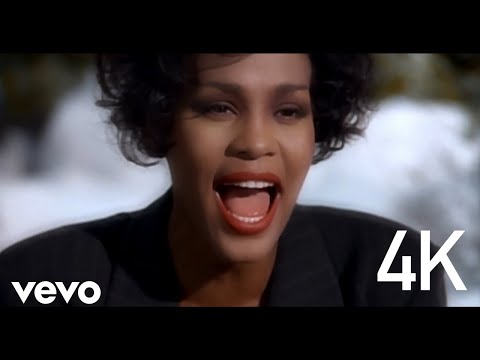
Country music in 1997 was a format experiencing significant commercial momentum, and the Kinleys arrived at a moment when the industry was receptive to new acts who could deliver polished, radio-ready material. Their debut attracted comparison to other female-fronted country acts of the era, though the twin dynamic gave them a visual and conceptual identity that was genuinely their own. The accompanying music video, which placed the sisters in the kinds of rural and small-town settings that country visual storytelling relied on during that decade, received solid airplay on CMT and TNN.
The album Just Between You and Me followed the single into the marketplace and demonstrated that the Kinleys could sustain a full project's worth of material without the twin novelty wearing thin. The harmonies remained the foundation of the record throughout, and the production team made intelligent choices about how to vary the sonic palette across tracks while keeping the core appeal consistent.
Jennifer and Heather Kinley represented a particular strand of country music ambition in the late 1990s: the belief that craft, voice, and genuine feeling could cut through the competitive noise of Nashville's commercial machinery. "Please" was not a crossover phenomenon, and it did not transform the charts. What it did was introduce two voices to a national audience and earn those voices a twelve-week conversation with listeners across the country format. In the broader history of country music's late-century commercial expansion, the Kinleys occupy a modest but genuine place as artists who delivered on the promise of their debut single with honesty and skill.
02 Song Meaning
What "Please" Communicates About Vulnerability and the Need for Honesty in Relationships
The emotional core of "Please" by the Kinleys is an appeal for transparency within an intimate relationship. The song positions one partner as the voice of longing, someone who senses distance, detects the presence of something unspoken, and responds not with anger or accusation but with a direct, earnest request for honesty. The title word functions as the key emotional register of the track: not a demand, not an ultimatum, but a supplication. The speaker is asking, not commanding, and that distinction shapes the entire emotional texture of the recording.
The thematic architecture of the song draws on one of country music's most enduring subjects: the fragility of romantic partnership and the ways in which silence and evasion can create damage that direct communication might prevent. Country music as a genre has always engaged seriously with emotional honesty, and "Please" fits comfortably within that tradition. The track does not traffic in dramatic confrontation or operatic grief. It occupies the quieter, more psychologically precise space of a moment before things fall apart, when repair still seems possible, when the appeal might still matter.
The use of identical twin voices to deliver this particular message carries its own layer of interpretive resonance. The Kinleys' harmonies create an effect of doubled conviction, as if the emotional appeal is being reinforced from within, two voices insisting on the same truth simultaneously. Whether audiences consciously processed this dimension of the recording is difficult to assess, but the sonic experience of two voices so closely matched delivering a plea for connection adds a subliminal weight to the emotional content.
The song's production choices reinforce its thematic intentions. The arrangement stays spare and unobtrusive, placing the vocal harmony at the front of the mix rather than using production density as an emotional substitute. This choice communicates something about the song's values: the feeling is in the voices, in the words, in the relationship between the two performers, not in the studio embellishment surrounding them.
Within the context of late-1990s country radio, "Please" represented a song that addressed its emotional subject without irony, without genre-bending self-consciousness, and without the kind of crossover hedging that characterized some of the format's bigger commercial moments of that era. It trusted its audience to respond to sincerity, and the chart performance — twelve weeks on the Hot 100, stronger country chart presence — suggested that trust was not misplaced.
The broader meaning of the track also resides in what it represented for the Kinleys as artists: an announcement of identity. A debut single is always, in part, a declaration, and "Please" declared that the Kinleys were interested in emotional authenticity, in the kind of material that prioritized feeling over spectacle. For listeners encountering the sisters for the first time, the song served as an accurate introduction to what the duo stood for as performers and as collaborators on each other's artistry.
Taken together, the lyrical appeal for honesty, the harmonic doubling of voices, and the restrained production make "Please" a song whose meaning operates on multiple registers simultaneously — personal, musical, and contextual. It is a record that asks for something simple and communicates that simplicity with care.
→ More from the 1990s File
View all 1990s hits →



Keep digging