The 1990s File Feature
Stranger In My Mirror
The Story Behind Stranger In My Mirror by Randy Travis A Country Legend in a Changing Landscape By 1999, Randy Travis was a certified country music instituti…
01 The Story
The Story Behind "Stranger In My Mirror" by Randy Travis
A Country Legend in a Changing Landscape
By 1999, Randy Travis was a certified country music institution, a singer whose deep, resonant baritone had helped spearhead the neotraditionalist revival of the 1980s and carried him through more than a decade of chart dominance. But the country landscape of the late nineties looked dramatically different from the one he had entered, with younger, more pop-inflected artists reshaping radio playlists across the format. This single arrived during a period when Travis, like many of his neotraditionalist peers, was navigating a genre in flux, working to maintain relevance without abandoning the traditional sound that had built his career from the ground up.
A Song of Self-Reckoning
True to Travis's reputation for emotionally direct, narrative-driven country songwriting, the track dealt with themes of self-examination and personal reckoning, delivered with the kind of understated vocal authority that had always been his signature. The production stayed grounded in classic country instrumentation, steel guitar and warm acoustic textures framing his voice rather than competing with it, a deliberate contrast to the more polished, radio-friendly production increasingly common in country music at the time and favored by younger acts chasing crossover success.
A Modest Chart Run in a Crowded Field
The single debuted on the Billboard Hot 100 on May 22, 1999, entering at number 92. It moved gradually over the following weeks, climbing to 85 and holding there before nudging further, ultimately reaching its peak position of number 81 on June 12, 1999. The song spent four weeks on the chart, a modest run reflecting the increasingly difficult path traditional country artists faced on the all-genre Hot 100 by the late nineties, as pop and hip-hop increasingly dominated the chart's upper reaches and country crossover success became harder to achieve outside the genre's own dedicated charts and formats.
Staying True to Craft Amid Shifting Trends
Even as the commercial landscape shifted around him, Travis remained committed to the storytelling-driven, vocally rich style that had defined his career from the start. This single reflected that consistency, prioritizing emotional authenticity over chasing contemporary production trends, a choice that may have limited its crossover chart potential but reinforced his standing among country purists and longtime fans who valued substance over reinvention or novelty.
A Genre in Transition
The late nineties marked a genuine inflection point for mainstream country, as the genre absorbed pop production techniques and courted younger listeners raised on Top 40 radio. Veterans like Travis found themselves navigating a delicate balance, honoring the traditions that built their careers while acknowledging that the audience and the industry around them were changing in ways beyond any single artist's control.
A Career Built on Consistency
While this particular single did not reach the commercial heights of his 1980s classics, it remains part of a broader late-career catalog that demonstrated Travis's continued vocal power and songwriting instincts even as mainstream country moved in new directions. His influence on the genre, both as a chart-topping hitmaker and as a torchbearer for traditional country sounds, remained secure regardless of any single song's chart peak, and his catalog continues to be studied by younger country artists drawn to his phrasing and restraint.
Give it a listen and hear the unmistakable weight of a voice that helped define an entire era of country music.
"Stranger In My Mirror" — Randy Travis's singular moment on the 1990s charts.
A Reminder of Enduring Craft
Even in a stretch of his career when the charts were less generous, Travis continued delivering the kind of vocal performances that had made him a genre-defining artist in the first place, proof that commercial reception and artistic quality do not always move in lockstep, particularly for veteran performers navigating a changing marketplace.
A Voice Still Worth Hearing
For listeners encountering Travis for the first time through his later catalog rather than his eighties peak, singles like this one offer a valuable entry point, proof that his gift for emotionally direct storytelling never wavered even as the industry around him kept shifting toward younger, more pop-focused sounds and faster-moving trends.
02 Song Meaning
What "Stranger In My Mirror" Is Really About
Confronting a Changed Self
The song centers on a moment of painful self-recognition, the unsettling experience of looking at one's own reflection and no longer recognizing the person staring back. That central image, a stranger occupying a familiar face, serves as a powerful metaphor for how life's choices, mistakes, or hardships can gradually reshape identity until the person someone once was feels almost unreachable and distant from who they have become.
Country Music's Tradition of Honest Self-Examination
This kind of unflinching self-reckoning has deep roots in country music storytelling, a genre that has long prized honesty about personal failure and regret over more polished, image-conscious songwriting. Travis's delivery, weathered and sincere, lends the song a sense of lived authenticity, making the narrator's confusion and disappointment feel earned rather than performed for dramatic effect or radio-friendly sentimentality.
Aging and Accountability
Arriving in the later stretch of Travis's commercial peak, the song can also be read as a broader meditation on aging and accountability, themes that carried particular resonance for an artist reflecting on the distance between youthful ambition and hard-won maturity. Rather than nostalgia for its own sake, the song leans into genuine reckoning, asking what has been gained and lost along the winding road of a long career.
A Universal Emotional Trigger
The mirror as a symbol of self-confrontation is one of the most universally relatable images in songwriting, which helps explain why themes like this recur so often across country music and beyond it. Nearly everyone has experienced a moment of feeling estranged from their own choices or circumstances, and the song's directness in naming that feeling gives listeners a vocabulary for an experience that can otherwise feel isolating and hard to articulate.
Restraint as Emotional Honesty
Much of the song's power comes from what it does not do. There is no dramatic musical swell, no manufactured catharsis, only a steady, unhurried delivery that lets the words carry their own weight. That restraint mirrors the difficulty of genuine self-examination, which rarely resolves neatly and instead sits with the listener the way real reflection does.
Why It Still Resonates
Even without major chart success, the song's emotional honesty ensured it found an audience among listeners who valued substance over flash. Its themes of self-reckoning and quiet reflection remain timeless, offering a reminder that some of country music's most powerful moments come not from anthemic choruses but from a single voice sitting with an uncomfortable truth.
A Song That Rewards Patience
Unlike songs built around an immediate emotional hook, this one asks the listener to sit with a slower, more contemplative kind of honesty, the sort that reveals itself more fully with repeated listens rather than on a first casual pass through the radio dial.
→ More from Randy Travis
View all Randy Travis hits →


→ More from the 1990s File
View all 1990s hits →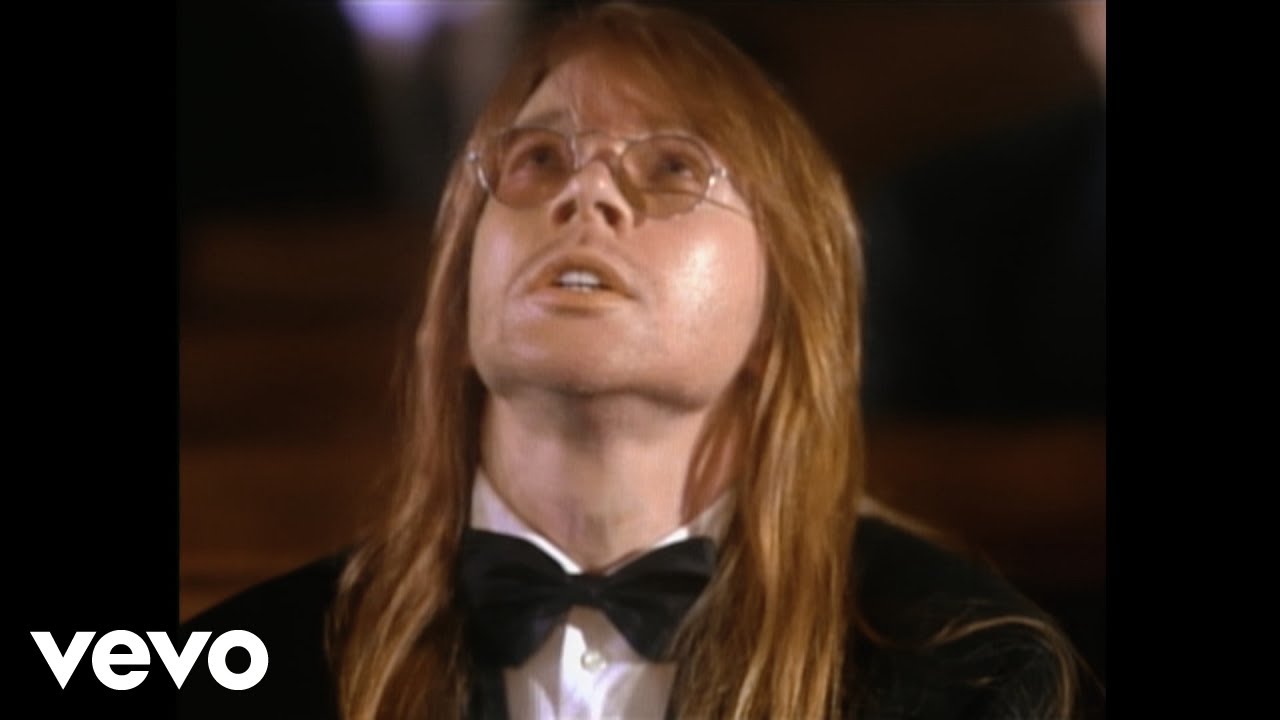



Keep digging