The 1990s File Feature
What Becomes Of The Brokenhearted
What Becomes Of The Brokenhearted by Paul Young: A Soul Classic Revisited Cast your mind to the early 1990s, when a British soul singer with a richly express…
01 The Story
"What Becomes Of The Brokenhearted" by Paul Young: A Soul Classic Revisited
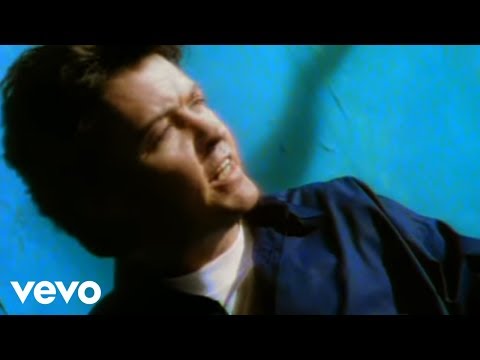
Cast your mind to the early 1990s, when a British soul singer with a richly expressive voice took one of Motown's most cherished heartbreak anthems and made it his own. Paul Young had built a career on his soulful interpretations, and with this version of a beloved soul classic, drawn from a hit film soundtrack, he introduced the timeless song to a new generation. It became one of his most successful American moments.
A Voice Built for Soul
By 1992, Paul Young was an established British star known for his deep, soulful voice and his gift for interpretation. He had earned a reputation as a skilled vocalist capable of bringing genuine emotion to both original material and covers. His husky, expressive delivery lent itself naturally to soul, and he had scored hits on both sides of the Atlantic during the 1980s. By the early 1990s he was a respected veteran with a distinctive sound.
Young belonged to a tradition of British singers who drew deeply on American soul and rhythm and blues, channeling that influence into their own work. His admiration for the genre's classics was evident throughout his career, and reinterpreting a Motown-era treasure was a natural fit for his talents. This recording let him pay tribute to the music that had shaped him while putting his own stamp on a beloved song.
Reviving a Timeless Classic
The song itself was a soul standard, originally a heartbreak anthem from the golden age of Motown. Young's version appeared on a popular film soundtrack, which helped introduce the song to listeners who might not have known the original. He approached the material with respect, preserving its emotional core while updating the production for a contemporary audience.
His interpretation balances reverence with personality, honoring the song's heritage while infusing it with his own husky warmth. The arrangement modernizes the classic without stripping away its soul, keeping the aching melody and the raw emotion intact. It is the work of a singer who understood the song's power and trusted it to move a new generation of listeners.
A Strong Climb on the Hot 100
On the Billboard Hot 100, the single performed well. It debuted at number 72 on February 1, 1992, and rose quickly over the following weeks, a sign of strong support. It reached its peak of number 22 during the week of March 21, 1992, and spent 14 weeks on the chart. Cracking the top 25 confirmed both the enduring power of the song and Young's ability to connect with American audiences.
That rapid early climb, from the 70s into the 20s within a month, demonstrated how readily listeners embraced the familiar melody in its new form. The 14-week run showed real staying power, helped along by the song's exposure on the film soundtrack. For Young, it was a notable American success in the new decade.
The early 1990s saw a number of soul and pop classics revived for new audiences through film and television, and this recording rode that wave skillfully. The combination of a beloved melody, a sympathetic vocalist, and prominent placement gave it everything it needed to succeed. For listeners too young to remember the original, Young's version became the definitive introduction to a song they would come to love.
A Tribute That Endured
The song reaffirmed the timeless appeal of the original soul classic while showcasing Young's interpretive gifts. It became one of his best-known recordings in America, a fitting tribute to a song that had moved listeners for decades. His version stands as proof that a truly great song can find new life in the hands of a sympathetic interpreter.
Press play and let the aching beauty of this soul classic wash over you once again.
"What Becomes Of The Brokenhearted" — Paul Young's singular moment on the 1990s charts.
02 Song Meaning
The Meaning Behind "What Becomes Of The Brokenhearted" by Paul Young
This song is one of soul music's great meditations on heartbreak, asking what happens to those whose love has been lost. It gives voice to the desolation that follows a broken relationship, the sense of being adrift once the person you loved is gone. The question at its center is universal, and its emotional honesty is what has kept the song alive across generations.
The Desolation of Lost Love
The central theme is the emptiness left by heartbreak. The song captures the feeling of having nothing left once love has departed, the hollow ache of a future that once held promise and now holds only loss. That raw depiction of romantic devastation gives the song its enduring power, speaking directly to anyone who has felt abandoned and unsure how to go on.
Searching for Answers
The song's title poses a genuine question, one that the brokenhearted ask themselves in the aftermath of loss. It reflects the bewilderment of grief, the search for meaning and direction when the foundation of a relationship has collapsed. That questioning gives the lyric a vulnerability that listeners recognize, the feeling of being lost and seeking some path forward through the pain.
The Endurance of a Classic
Part of the song's meaning lies in its history as a soul standard. Its themes have resonated with listeners for decades, and each new interpretation reaffirms their universality. By reviving the song, Young connected a new audience to that long emotional lineage, proving that the experience of heartbreak transcends any single era. The meaning deepens with each generation that finds itself reflected in the lyric.
Dignity in Sorrow
For all its desolation, the song carries a strange dignity. It treats heartbreak as a serious and worthy subject, refusing to minimize the pain or rush toward false comfort. That respect for the depth of grief is part of what makes the song so moving, the sense that it honors the listener's suffering rather than dismissing it. There is solace in hearing a song take loss as seriously as the brokenhearted feel it, a recognition that the pain is real and deserves to be voiced. That validation is its own kind of comfort.
Why It Resonated
The song connected because it expressed one of the most universal of human experiences with rare honesty and beauty. Listeners who had suffered heartbreak found their feelings perfectly captured, and Young's soulful delivery gave the emotion fresh immediacy. Its presence on a popular film soundtrack introduced it to new ears, but its lasting power came from the timeless truth at its heart. That ability to give voice to grief and longing is why the song has endured as a soul classic.
→ More from Paul Young
View all Paul Young hits →
→ More from the 1990s File
View all 1990s hits →
Keep digging