The 1990s File Feature
Baby Be There
Baby Be There by Nu Flavor Step into the late 1990s, the golden age of the vocal group, when polished harmonies and smooth R B ballads filled the airwaves an…
01 The Story
"Baby Be There" by Nu Flavor
Step into the late 1990s, the golden age of the vocal group, when polished harmonies and smooth R&B ballads filled the airwaves and groups of young men crooning about love were everywhere. Into that crowded landscape came Nu Flavor, a Latin-influenced R&B group hoping to make their mark in a genre dominated by some of the biggest acts in music. "Baby Be There" was one of their bids for attention, a smooth ballad in the style that ruled the decade.
A Group in a Crowded Field
The late 1990s were saturated with vocal groups, a moment when the R&B and pop charts overflowed with acts built around tight harmonies and romantic ballads. Nu Flavor entered that competitive arena with a sound rooted in contemporary R&B and touched by their Latin background, which gave them a distinctive flavor. Standing out among the era's many groups was a serious challenge, requiring strong material and a memorable identity, and Nu Flavor worked to carve out their own niche in a field full of established stars.
A Smooth R&B Ballad
"Baby Be There" fit squarely within the smooth, romantic R&B style that defined the era's vocal groups. Built around tender harmonies and a gentle, melodic arrangement, the song was a heartfelt plea wrapped in the polished production typical of late-1990s R&B. The group's vocal blend was the centerpiece, delivering the romantic sentiment with the warmth and sincerity that the genre demanded. That smooth, harmony-driven sound was the song's calling card, aimed at listeners who loved the era's tender ballads.
A Modest Chart Run
On the Billboard Hot 100, "Baby Be There" had a modest showing. It debuted at number 89 on June 13, 1998 and held that position for a second week before climbing to its peak of number 83 on June 27, 1998. From there it slipped back, dropping to number 92 and then 100 before falling off the chart, spending seven weeks on the Hot 100 in total. The modest run reflected the difficulty of breaking through in such a crowded field, where countless groups competed for the same audience and only a few reached the top.
A Snapshot of Late-90s R&B
Nu Flavor never became one of the era's biggest names, but "Baby Be There" captures the sound and spirit of late-1990s R&B. The song is a document of a time when vocal groups and smooth ballads ruled the charts, a moment of polished harmonies and romantic sincerity. Its place in that vocal-group tradition reflects the richness of the era, which produced an abundance of talented acts. For fans of 1990s R&B, the song remains a pleasant and evocative listen.
The Era of the Vocal Group
The late 1990s represented a true peak for the vocal group as a commercial force, a moment when harmony-driven acts dominated popular music to a degree rarely seen before or since. Groups built around smooth singing and romantic themes were a reliable path to success, and labels invested heavily in finding and developing them. Nu Flavor was part of that wave, one of many acts hoping to ride the era's enthusiasm for the form. The sheer number of such groups made the competition fierce, and "Baby Be There" stands as a representative example of the countless talented acts who contributed to that golden age of vocal harmony. Many of these groups produced fine music yet struggled to break through the crowded field, and their songs now serve as a rich record of the era's depth of talent. The story of late-1990s R&B is not only the story of its biggest stars but also of the many skilled groups working just below the very top.
Press play and let those smooth harmonies carry you back to the late-1990s heyday of the R&B ballad. Some sounds simply and completely define their decade.
"Baby Be There" — Nu Flavor's singular moment on the 1990s charts.
02 Song Meaning
The Meaning Behind "Baby Be There"
"Baby Be There" is a romantic plea for presence and commitment, a song about wanting a partner to be there through everything, in good times and bad. Its message is one of devotion and the desire for a steadfast, reliable love. Wrapped in smooth late-1990s R&B harmonies, the song expresses a longing for the security of a partner who will always show up.
A Plea for Presence
At its core, the song asks for one thing above all, that the beloved simply be there. The title itself is a request for constancy and reliability in love. That yearning for a steadfast partner is the emotional heart of the song, capturing the deep human desire for someone who will remain present and supportive through whatever life brings.
The Need for Security
Beneath the plea runs a longing for emotional security, the comfort of knowing that someone can be counted on. Love, the song suggests, is about more than passion; it is about dependability and trust. That emphasis on reliability gives the song a mature warmth, framing devotion not as fleeting romance but as a steady, enduring commitment.
Vulnerability in the Asking
There is a quiet vulnerability in the act of asking someone to be there. To make such a request is to admit a need, to reveal how much one depends on another person. That openness about emotional need gives the song its sincerity, capturing the tender honesty of someone willing to express their longing for love and support.
The Romance of the Era
The song reflects the romantic sensibility of late-1990s R&B, a style that prized smooth declarations of devotion delivered through lush harmonies. Love was treated with earnest sincerity, free of cynicism. That heartfelt romanticism connects the song to a whole tradition of vocal-group ballads that celebrated tender, committed love in glossy, polished arrangements.
Devotion Over Drama
What distinguishes the song's view of love is its emphasis on steadiness rather than turbulence. There is no jealousy, no conflict, no melodrama here, only a sincere wish for a partner who will remain present and true. This focus on quiet devotion rather than passionate upheaval reflects a particular romantic ideal, one that values dependability and emotional safety above the highs and lows of more tempestuous love. That preference for constancy over chaos gives the song a mature, reassuring warmth, presenting love as a calm refuge rather than a source of anxiety.
Why It Resonated
The song connected with listeners because its desire is so universally felt. Everyone longs for a partner who will be there for them through everything, a reliable presence in an uncertain world. Its sincere plea for steadfast love spoke to that common yearning, delivered with the warmth and harmony that the era's fans cherished. The song offered a comforting vision of devotion, and that gentle sincerity is exactly what gave it its appeal.
→ More from Nu Flavor
View all Nu Flavor hits →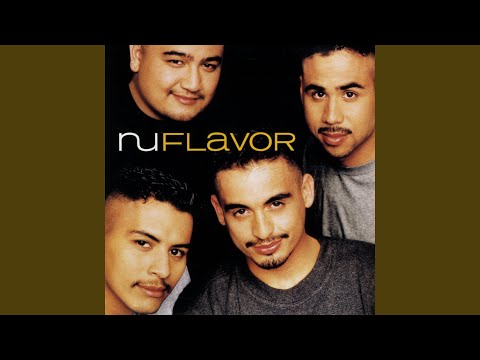
→ More from the 1990s File
View all 1990s hits →
Keep digging