The 1990s File Feature
I Can Do That
The Story Behind I Can Do That by Montell Jordan Roll the calendar back to the late 1990s, when R B radio felt like a velvet-lined corridor of slow grooves, …
01 The Story
The Story Behind "I Can Do That" by Montell Jordan
Roll the calendar back to the late 1990s, when R&B radio felt like a velvet-lined corridor of slow grooves, layered harmonies, and producers chasing the perfect crossover bounce. Montell Jordan stepped into that world already carrying a giant on his shoulders: the song that had announced him to America a few years earlier was one of the decade's biggest party anthems, and every record after it lived in that long shadow. By the time "I Can Do That" arrived in the summer of 1998, the question hanging over him was simple and unforgiving. Could the man with one of the all-time great house-party records keep the lights on?
A Tall Man With A Big Sound
Standing at nearly seven feet, Montell Jordan was hard to miss, and his music had a matching presence: deep, smooth, unhurried. He had built his name on a blend of smooth R&B vocals and hip-hop swagger, the kind of sound that worked equally well in a club and in a car at midnight. By 1998 he was several singles into a career that had its peaks and its quieter stretches, and he understood the assignment of the era. The late-decade R&B landscape rewarded artists who could feel intimate and confident at once, who could promise the listener a good time without ever raising their voice. "I Can Do That" leans squarely into that promise, a track built on assurance rather than urgency.
Building The Groove
The appeal of the song lives in its restraint. Rather than chasing the harder, more aggressive sound that some of his peers were moving toward, Jordan keeps the tempo conversational and the production warm. The hook trades on a kind of easy bravado, the sound of a man telling you he can give you exactly what you need and meaning every word of it. There is no shouting, no theatrical climax. The arrangement glides, letting the bass carry the weight while the vocal floats on top. It is the work of a performer who knew his lane and trusted it, a song designed for late nights rather than peak-hour radio fireworks.
The Chart Run
The numbers tell a story of slow-burn momentum. "I Can Do That" first appeared on the Billboard Hot 100 on August 15, 1998, entering at number 90, and for a few weeks it hovered near the bottom of the chart, dipping as low as 96 before anyone could be sure it had a pulse. Then came the jump. By September 12, 1998, it had vaulted to number 20, a leap that suggested radio and retail were finally lining up. The single ultimately peaked at number 14 on September 26, 1998, and it stayed in the conversation for a respectable 18 weeks on the Hot 100. For a late-career single competing in one of the most crowded R&B fields of the decade, cracking the top fifteen was no small feat.
Where It Sits In His Legacy
No single from Jordan was ever going to topple the cultural mountain of his earliest smash, and "I Can Do That" never tried to. What it did instead was prove durability. It showed that he could still command attention three years deep into a fickle marketplace, that the smooth, generous persona his fans loved still translated to chart success. In the long arc of 1990s R&B, songs like this one are the connective tissue: not the monuments everyone remembers, but the reliable hits that kept an artist working, touring, and recording. They are the reason a career becomes a catalog rather than a footnote.
Press Play
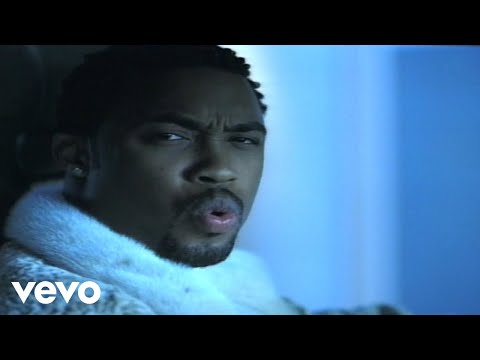
Drop the needle on this one when the room has thinned out and the night feels like it belongs to you. It rewards a relaxed ear, the kind of listening you do with the lights low and no particular place to be. With more than 950,000 YouTube views keeping it alive online, the groove still finds new rooms to fill decades later.
"I Can Do That" — Montell Jordan's singular moment on the 1990s charts.
02 Song Meaning
What "I Can Do That" by Montell Jordan Really Means
At its heart, "I Can Do That" is a song about confidence in the language of romance. It is built around a single, generous proposition: whatever you are looking for, I can provide it. That kind of message could easily tip into arrogance, but the warmth of the delivery keeps it grounded in reassurance instead. This is seduction as service, a promise rather than a boast.
The Core Theme
The lyric trades in the imagery of devotion and capability. Where many R&B songs of the era leaned on heartbreak or longing, this one occupies a sunnier emotional register: the moment of offering yourself fully to someone, of telling them they need not look elsewhere. The central idea is dependability, the notion that real desire is proven by what you are willing to do, not just what you feel. It is a love song framed almost as a pledge.
An Emotional Register Of Calm
What gives the song its character is its tone. There is no desperation here, no pleading. The voice at the center sounds settled, even soothing, which makes the romantic promise feel believable rather than performative. The emotional message is steadiness: the kind of partner who does not need to compete or convince, only to reassure. In a genre full of grand gestures, the quiet certainty is the point.
The Cultural Moment
The late 1990s were a high-water mark for smooth, grown-up R&B, a sound aimed at adult listeners who wanted intimacy without aggression. The song reflects a marketplace that prized sensuality delivered with maturity, where the bedroom ballad and the slow-burning groove ruled the airwaves. "I Can Do That" fits neatly into that world, speaking to listeners who had aged past teenage drama and wanted music that matched a more confident stage of life.
Why It Connected
People returned to this kind of record because it offered a fantasy of being chosen and being enough. The promise at its center is universal: to be wanted without condition, to have someone declare without hesitation that they can meet your needs. That is a powerful thing to hear, and the song delivers it with a smoothness that feels like an embrace rather than a sales pitch. It asks for trust and offers comfort in return.
A Lasting Read
Stripped to its essence, the track is an argument that love is best expressed through reliability. It does not reach for tragedy or revelation. It simply states, again and again, that the singer is up to the task, and it lets the easy confidence of the groove carry the rest. That modest ambition is exactly why it still lands.
→ More from Montell Jordan
View all Montell Jordan hits →

→ More from the 1990s File
View all 1990s hits →
Keep digging