The 1990s File Feature
Love Me Good
Michael W. Smith and the Brief Pop Crossover of Love Me Good The late 1990s presented a peculiar challenge for Christian artists: the mainstream pop market w…
01 The Story
Michael W. Smith and the Brief Pop Crossover of Love Me Good
The late 1990s presented a peculiar challenge for Christian artists: the mainstream pop market was flush with post-Spice Girls bubblegum energy, and crossing over required not just talent but careful positioning. Michael W. Smith, already a decorated figure in contemporary Christian music with multiple Dove Awards and Grammy nominations to his name, attempted that crossing with Live the Life, the 1998 album that produced this single. The album represented a deliberate effort to speak beyond the Christian market without abandoning the values that had built his audience over fifteen years.
Where Smith Stood in His Career
By 1998, Smith had spent roughly fifteen years building a devoted audience in Christian music circles. He had broken into mainstream territory once before with Place in This World in 1990, a ballad that reached the upper reaches of the pop charts and demonstrated his ability to write melodies that connected across audience lines. That earlier crossover had been built on emotional restraint and universal themes of searching for purpose, qualities that translated well to adult contemporary radio. This single represented a second calculated attempt at pop crossover, this time with a more upbeat, radio-friendly production tailored to the adult contemporary format rather than the introspective balladry of his earlier mainstream moment. The production choices on Live the Life leaned into a polished mid-1990s sound that made the album feel accessible to programmers who might not otherwise give Christian music a spin.
Entering the Hot 100
The single debuted on the Billboard Hot 100 on April 25, 1998, entering at number 61. That debut position also marked the peak. Over the following weeks it slipped to 74, then recovered slightly to 73 and 68 before falling to 92 in its fifth and final charting week. Five weeks on the Hot 100 and a peak of 61 constituted a modest commercial performance, enough to register on the national chart but insufficient to generate the crossover momentum the label would have needed to justify broader promotion. The trajectory told a familiar story for crossover attempts: initial radio interest that did not compound into cultural momentum.
The Adult Contemporary Context
The adult contemporary chart of 1998 was crowded with Shania Twain, Celine Dion, and a revolving cast of smooth pop acts who had massive promotional machinery behind them. Finding space in that environment required either a distinct sonic identity or powerful radio support from a major crossover campaign, and the single encountered stiff competition for playlist slots at stations that could choose from dozens of polished alternatives. Its chart trajectory, peaking immediately at debut rather than climbing, suggests that initial airplay was meaningful but did not build over time. Radio programmers tested the water and did not wade further in. The adult contemporary format in particular was highly gatekept by music directors who tracked listener research carefully, and a record that did not improve its research scores quickly would find its rotations cut.
Legacy Within Smith Catalog
The song occupies a footnote in an otherwise substantial career. Smith would continue producing Christian music with consistent commercial success in that market for years after this album cycle, accumulating an audience that far eclipsed what the pop Hot 100 numbers suggested. His primary legacy is built in the Christian and inspirational categories, where he earned sustained chart success, sold-out touring, and influence over an entire generation of contemporary worship artists. The single is a data point about ambition rather than a defining chapter; it shows an established artist reaching toward a wider room, finding the door only partly open.
A Snapshot of 1998 Pop Radio
Placing this record in its era helps clarify what it was up against. Spring 1998 belonged to artists like Savage Garden, Next, and Brandy, acts with full promotional rollouts and crossover infrastructure in place. The Hot 100 moved fast, rewarding the brash and the current. A warm, values-oriented adult pop record from a Christian market artist required the kind of sustained airplay push that crossovers generally receive only when labels commit fully to a campaign that spans months and multiple market entry points. This one did not quite get that push, and the chart run reflects the gap between potential and investment. Press play to hear what the crossover could have sounded like given different circumstances, a different moment, and a radio landscape with a wider door.
“Love Me Good” — Michael W. Smith’s singular moment on the 1990s charts.
02 Song Meaning
The Message Behind Love Me Good by Michael W. Smith
Understood in the context of Michael W. Smith’s creative worldview, the song carries themes that bridge the personal and the spiritual without announcing its allegiances too loudly. That bridging quality was central to his crossover strategy: write about love, commitment, and emotional longing in terms that secular listeners could accept while Christian audiences heard a deeper layer operating beneath the surface. This dual address had sustained his career for over a decade and was not incidental to his songwriting approach.
Love as Covenant, Not Impulse
The song presents romantic love as something serious and sustaining. Where much of late-1990s pop celebrated infatuation and novelty, Smith’s approach emphasizes the desire for love that holds. The request embedded in the title implies quality and consistency over intensity and drama. There is a plainspoken directness to that framing; it asks for a love that functions well, that does what love is supposed to do over time rather than in a single electric moment. This is a fundamentally different emotional proposition from the club-ready desire narratives that dominated the charts at the time, and its difference was both its strength with a specific audience and its limitation as a crossover vehicle.
The Spiritual Subtext
For listeners familiar with Smith’s catalog, the song carries an additional layer. In Christian musical tradition, the language of longing for deep, consistent love can function as a metaphor for the believer’s relationship with the divine, an extension of the agape love theology that runs through much contemporary Christian music. Smith had long operated in this register, writing songs that worked on two levels simultaneously, allowing them to function as both personal testimony and mainstream entertainment. Whether a listener hears the song as a straightforward romantic appeal or as something more spiritual depends entirely on what they bring to it, which is precisely the kind of ambiguity that makes crossover Christian pop function in radio formats where explicit religious content would generate resistance.
The Emotional Register of 1998
The song arrived during a cultural moment when sincerity was both valued and slightly unfashionable in mainstream pop. Irony and edge were currency at certain points on the dial, while adult contemporary listeners actively sought out emotional directness. Against that backdrop, a song earnestly requesting sustained, wholehearted love stood out by refusing to pretend affection was uncomplicated or embarrassing. That earnestness is central to Smith’s appeal across his career: he does not hedge or perform ambivalence about matters of the heart, and his audience responded consistently to that refusal to equivocate.
Why It Connected with Its Audience
Smith’s existing audience responded to the song because it fit a pattern they already understood: music that treats emotional and spiritual vulnerability as strength rather than weakness. For the mainstream pop listener who encountered the song through radio, it offered a clean emotional transaction, a clear want stated plainly and honestly. The song does not puzzle or alienate; it opens itself to the listener completely, and that openness is its defining quality. Five weeks on the Hot 100 is a meaningful achievement for a Christian market artist without a full pop promotional campaign behind the release, and it confirms that the song’s emotional proposition had real appeal beyond the core audience that already knew Smith’s name and trusted his work.
→ More from Michael W. Smith
View all Michael W. Smith hits →


→ More from the 1990s File
View all 1990s hits →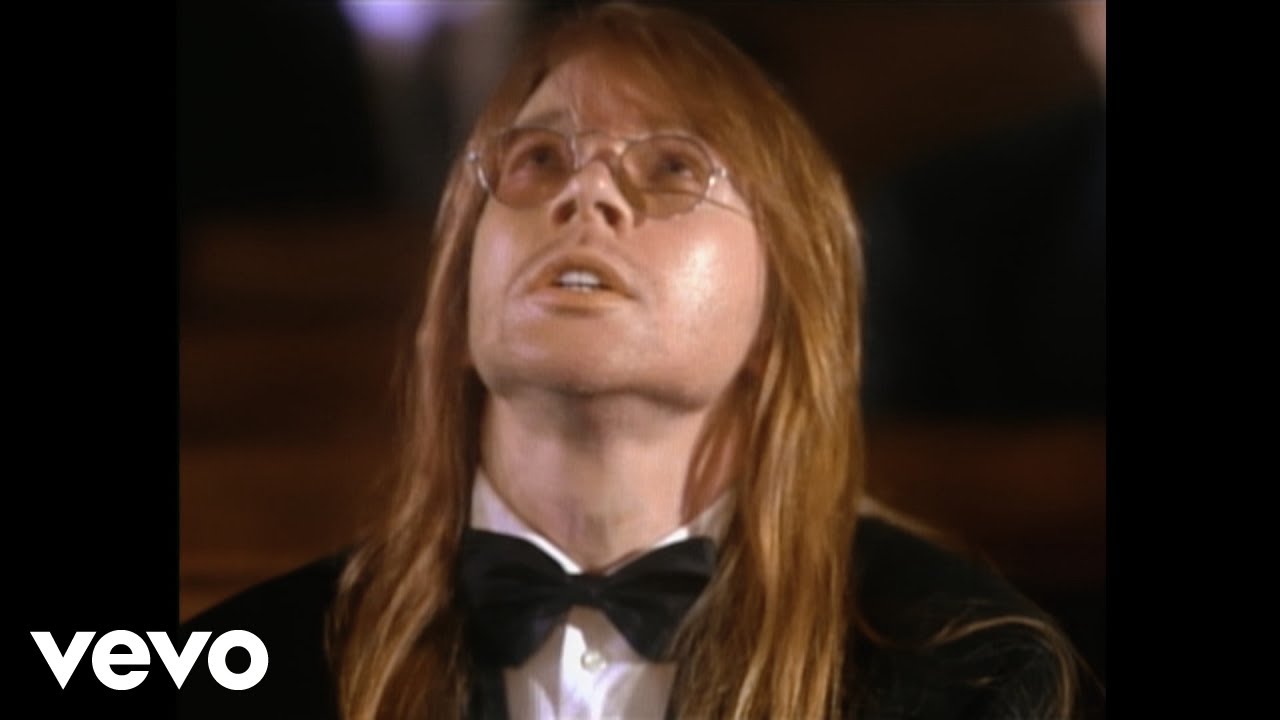




Keep digging