The 1990s File Feature
Objects In The Rear View Mirror May Appear Closer Than...
Objects In The Rear View Mirror May Appear Closer Than... by Meat Loaf: An Epic Rock Reflection There is a grand, theatrical ambition to Meat Loaf at his mos…
01 The Story
"Objects In The Rear View Mirror May Appear Closer Than..." by Meat Loaf: An Epic Rock Reflection
There is a grand, theatrical ambition to Meat Loaf at his most epic, a sound that turned rock songs into operatic dramas. That ambition fills this single, a sweeping, deeply emotional epic about memory, the past and the way it stays with us. Arriving in 1994, it found Meat Loaf delivering one of his most ambitious and moving songs, a lengthy, theatrical reflection on the lingering power of memory and the formative experiences that shape a life.
A Theatrical Rock Icon
Meat Loaf had become one of rock's most distinctive and successful artists, celebrated for his powerful voice and his grand, theatrical, operatic rock anthems. His work, much of it created in collaboration with songwriter Jim Steinman, was known for its epic scale, emotional intensity and dramatic ambition. This song appeared on the album Bat Out of Hell II: Back into Hell, the hugely successful sequel to his landmark debut. The album marked a triumphant return, and this song was one of its most ambitious and emotionally powerful tracks.
The Steinman Vision
The song bears the unmistakable stamp of songwriter Jim Steinman, whose grand, operatic and emotionally epic compositions defined much of Meat Loaf's most celebrated work. The song's sweeping ambition, its lengthy structure and its emotional intensity reflected Steinman's distinctive vision. That collaboration between Meat Loaf's powerful voice and Steinman's epic songwriting was central to the song's impact. The result was a track of grand scale and deep feeling, the kind of theatrical rock epic that defined their remarkable partnership.
An Epic, Theatrical Sound
Musically the track is a sweeping, epic rock production, building through a lengthy, dramatic structure toward powerful emotional peaks. The arrangement is grand and theatrical, layering Meat Loaf's powerful vocal over a rich, dynamic musical backdrop. The song's considerable length allowed it to develop its emotional themes with operatic scope, building and releasing tension across its dramatic structure. The production matches the song's grand ambition, creating an epic, deeply emotional listening experience in the theatrical rock tradition.
A Solid Run on the Hot 100
On the Billboard Hot 100, the single performed respectably. It debuted on May 14, 1994, at number 73, and climbed over the following weeks. It reached its peak of number 38 during the week of May 28, 1994, holding that position for several weeks, and spent 11 weeks on the chart. That solid run reflected the song's appeal and the success of the Bat Out of Hell II album, which marked Meat Loaf's triumphant comeback. The chart showing confirmed the enduring appeal of his epic, theatrical rock.
Part of a Triumphant Comeback
Looking back, this song stands as one of the emotional highlights of Meat Loaf's triumphant 1990s comeback album. He would be remembered as one of rock's most distinctive and successful artists, a master of the epic rock anthem. The track has gathered roughly 8 million views on YouTube, keeping its epic emotion accessible to fans. It stands as a fine example of the grand, theatrical rock that defined his remarkable career and his collaboration with Jim Steinman.
The Art of the Rock Epic
The song exemplifies a distinctive approach to rock music, the operatic, theatrical epic. Where many rock songs aimed for concise punch, Meat Loaf and Jim Steinman embraced grand scale, lengthy structures and operatic emotional ambition. That theatrical sensibility set their work apart, turning rock songs into sweeping dramas full of emotional intensity. This song, with its considerable length and grand structure, embodied that approach, building and releasing tension across an epic arc. The willingness to be so ambitious and theatrical was central to their appeal, a refusal to settle for the conventional in favor of grandeur and deep feeling. The song stands as a fine example of the operatic rock that made Meat Loaf one of the most distinctive and successful artists of his kind.
An Epic Favorite
For fans of epic, theatrical rock and emotionally powerful music, this song remains a deeply rewarding listen, a sweeping reflection on memory and the past. It captures the grand ambition and emotional intensity that made Meat Loaf a rock icon. Put it on, and you can feel the operatic sweep of one of rock's most theatrical and emotionally powerful artists.
"Objects In The Rear View Mirror May Appear Closer Than..." — Meat Loaf's singular moment on the 1990s charts.
02 Song Meaning
The Meaning Behind "Objects In The Rear View Mirror May Appear Closer Than..." by Meat Loaf
This is a song about memory and the way the past stays with us, closer than it appears. Its message explores how formative experiences, both joyful and painful, continue to shape and haunt us long after they have passed. The lyric reflects on memory, the past and the lingering power of the experiences that made us who we are.
The Central Metaphor
The heart of the song is its title metaphor. The image of objects in the rear view mirror appearing closer than they are captures how the past, though behind us, remains vividly and powerfully present. That metaphor is the song's central idea. It suggests that memories and formative experiences are never truly distant, that the past stays close and continues to influence us even as we move forward in life.
The Power of Memory
The lyric is steeped in the power of memory. It reflects on formative experiences, the joyful and painful memories that shaped the narrator and continue to resonate within him. That focus on memory gives the song its emotional depth. The song explores how the experiences of our past, especially the most intense ones, remain part of us, continuing to shape our feelings and our sense of who we are.
Formative Experiences
The song explores the experiences that define a life. It reflects on the people, moments and events that left a lasting mark, the formative experiences that made the narrator who he is. That theme gives the song its weight. The lyric acknowledges that we are shaped by our pasts, by the loves, losses and pivotal moments that, though behind us, remain powerfully present and continue to influence our lives.
Epic Emotion
The song's grand sound amplifies its themes. The epic, theatrical arrangement embodies the emotional weight of memory and the past, matching the depth of the reflection with operatic scale. That grand sound is part of the meaning. The sweeping, dramatic music turns the personal reflection on memory into something epic and stirring, giving the introspective themes the grandeur of a theatrical rock drama.
Why It Resonated
The song connected because its reflection on memory and the past is universally felt. Many listeners recognize the way formative experiences stay with us, closer than they appear, and the song gave that feeling an epic, emotional voice. By pairing a profound reflection on memory with grand, theatrical rock, Meat Loaf and Steinman created something both deeply personal and operatically sweeping. That blend of emotional depth and epic ambition is why the song resonated with audiences who responded to its grand, theatrical reflection on the lingering power of the past.
→ More from Meat Loaf
View all Meat Loaf hits →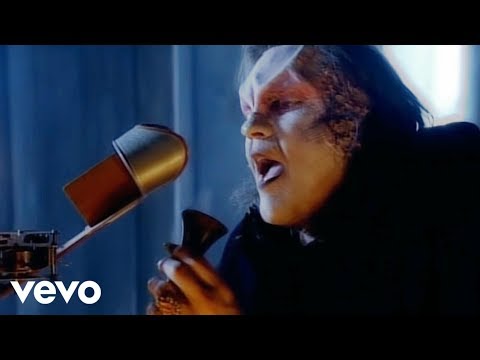
→ More from the 1990s File
View all 1990s hits →
Keep digging