The 1990s File Feature
In The House Of Stone And Light
In the House of Stone and Light — Martin Page (1994) "In the House of Stone and Light" stands as the defining moment of Martin Page's solo career, a spiritua…
01 The Story
In the House of Stone and Light — Martin Page (1994)
"In the House of Stone and Light" stands as the defining moment of Martin Page's solo career, a spiritual rock ballad with a broad melodic sweep that caught the attention of pop radio in a year crowded with memorable singles. Released in 1994 on Mercury Records, the song became Page's first and most significant solo hit in the United States, climbing the charts and earning the British songwriter a level of mainstream recognition that his previous work had not generated, despite the fact that he had spent years contributing to major hits for other artists.
Martin Page's biography prior to this breakthrough was rich and varied in ways that were invisible to most listeners who discovered him through "In the House of Stone and Light." Born in Southampton, England, Page had begun his career as a member of the British new wave group Q-Feel in the early 1980s, and had then transitioned into a career as a hired songwriter and musical craftsman of considerable skill. His most famous contribution to the work of others was his co-writing credit on "We Built This City" by Starship, the 1985 number-one hit that has become one of the most debated pop records of its era. He also contributed to "These Dreams" for Heart, another chart-topping success.
The irony of Page's position was significant: he had written songs that reached the very summit of the American charts while remaining essentially unknown as a performing artist. His decision to pursue a solo recording career was in part a response to this imbalance, an attempt to demonstrate that the voice behind the hits deserved a place at the front of the room rather than behind the scenes.
"In the House of Stone and Light" was the vehicle that achieved this. The song's production was carefully constructed to maximize its emotional impact on radio, with a melodic progression that built steadily from its relatively restrained opening toward a chorus of considerable grandeur. The production approach was consonant with the mainstream rock and soft rock sounds of the mid-1990s, when songs with spiritual or contemplative themes and anthemic construction were finding significant commercial traction. The atmospheric quality of the production, with its layered keyboards and expansive sound design, gave the song a quality of yearning that matched its lyrical content.
The track performed extremely well on the Billboard Hot 100, reaching number 22 and spending a significant number of weeks on the chart. More impressively, it achieved considerable airplay on Adult Contemporary formats, where its contemplative tone and melodic accessibility made it a natural fit. The Adult Contemporary chart performance was particularly strong, demonstrating that the song's appeal crossed demographic lines in the way that the best mainstream pop records typically do.
The timing of the release was fortuitous. The mid-1990s were a period in which music with spiritual or quasi-spiritual content was finding unusual mainstream receptivity, reflecting broader cultural trends including the renewed interest in New Age philosophy, the emergence of world music into mainstream consciousness, and a general appetite for music that addressed questions of meaning and transcendence without the specific doctrinal content of traditional religious music. Page's song addressed this space skillfully, offering a sense of spiritual expansion without requiring any specific theological commitment from the listener.
Critical reception was positive if not effusive. Reviewers recognized the craft of the songwriting and the emotional effectiveness of the production while noting that the song was not attempting anything particularly novel in structural terms. The consensus was that it was an excellent example of its kind, a melodically sophisticated mainstream rock ballad executed with genuine skill and emotional sincerity. For an artist attempting his first major solo breakthrough, this was the most commercially useful critical response he could have hoped for.
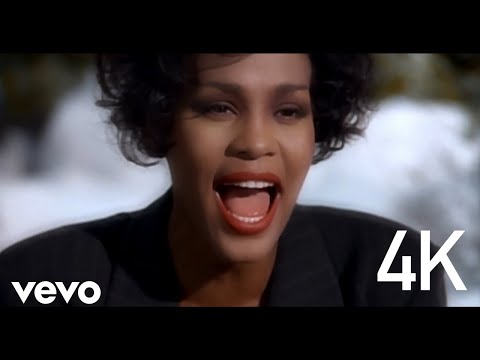
The music video for the song received significant MTV airplay, helping to drive the single's chart performance at a time when MTV's programming still constituted one of the most powerful promotional vehicles in popular music. Page's visual presentation was appropriately atmospheric, matching the song's contemplative mood without being so abstract as to alienate viewers approaching the record for the first time.
The song's commercial success opened doors for Page as a solo artist, but he was unable to replicate its chart performance with subsequent releases. This pattern, of a breakthrough hit that defines an artist's public identity without necessarily inaugurating a sustained commercial career, was common enough in the mid-1990s pop landscape, a period when the market's voracious appetite for new material created opportunity but also demanded a consistency of output that not all artists could sustain. Page's subsequent work continued to demonstrate his considerable skills as a songwriter, but "In the House of Stone and Light" remained the moment of public arrival that his career had been building toward for more than a decade. The single reached number one on the Adult Contemporary chart, a milestone that confirmed the song's extraordinary receptivity among mainstream radio audiences.
02 Song Meaning
Meaning and Themes: In the House of Stone and Light — Martin Page
"In the House of Stone and Light" operates in the territory of spiritual seeking that has periodically found mainstream commercial expression in popular music, the space where rock's emotional intensity is applied not to romantic desire or social observation but to questions of transcendence, inner transformation, and the search for a ground of being more durable than ordinary experience provides. The imagery of the title establishes the song's thematic coordinates immediately: stone suggests permanence, solidity, and grounded reality, while light suggests the spiritual and immaterial, the dimension of experience that cannot be held or measured but is no less real for that.
The house of the title is both a literal architectural space and a metaphorical interior one, a place of refuge and illumination that the narrator seeks or has found. This dual register of literal and figurative meaning is central to the song's appeal, allowing listeners to receive it as a spiritual allegory, a love song, a meditation on home, or some combination of all three. This kind of interpretive openness is a characteristic feature of the best songs in this genre, which function most effectively when they do not demand a single reading but instead create a space that different listeners can enter from different directions.
Page wrote the song from a place of genuine spiritual inquiry rather than as a commercial calculation, and this authenticity is legible in the music's emotional character. The building intensity of the arrangement, the sense of a search that reaches toward something just at the edge of comprehension, reflects the phenomenology of spiritual experience as many traditions describe it: an approach toward something that recedes slightly as you advance but that leaves you permanently changed by the pursuit.
The cultural context of the mid-1990s gave the song particular traction. Many people in this period were exploring spiritual frameworks outside conventional organized religion, drawn to traditions that emphasized personal experience and direct encounter with the transcendent over doctrinal adherence and communal practice. Music that addressed this yearning without prescribing a specific theological answer found a ready audience, and Page's song was crafted with enough ambiguity to serve listeners across a wide range of spiritual orientations.
The biographical dimension of the song is also significant. Page had spent years as a behind-the-scenes craftsman whose contributions to popular music were real but invisible to the general public. The act of creating a record that bore his own name, that expressed his own spiritual concerns in his own voice, was itself a kind of thematic enactment of the song's subject matter: a claim for the validity and substance of one's own inner life against the tendency to define oneself primarily through one's usefulness to others.
The song's melodic construction is inseparable from its meaning. The rising trajectory of the chorus, the sense of expansiveness and arrival that the production creates at the song's climactic moments, is not merely a commercial hook but a sonic analog for the experience the song describes. The music performs the spiritual opening it is narrating, making the listener feel something of what the song is about rather than simply telling them about it. This integration of form and content is the mark of serious songcraft applied to serious thematic material.
Within the history of spiritual rock, "In the House of Stone and Light" represents a specific moment when such music could still find mainstream radio play and chart success without being categorized as religious or relegated to a specialty format. Page's achievement was to write a song that was genuinely spiritual in its concerns while remaining genuinely commercial in its execution, a balance that very few artists of any era have managed to sustain without compromising either dimension.
→ More from the 1990s File
View all 1990s hits →



Keep digging