The 1990s File Feature
Don't Want To Be A Fool
The Story Behind Don't Want To Be A Fool by Luther Vandross There's something undeniably luxurious about the voice of Luther Vandross, a velvet instrument th…
01 The Story
The Story Behind "Don't Want To Be A Fool" by Luther Vandross
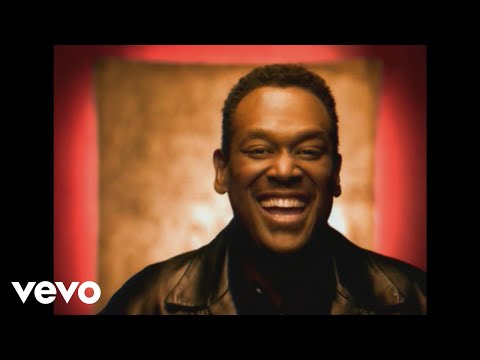
There's something undeniably luxurious about the voice of Luther Vandross, a velvet instrument that could make any love song feel like the most important conversation in the world. By the early 1990s he had spent a decade defining the sound of grown-up romance in R&B, the master of the slow jam and the architect of countless seductions. This single found him at the height of his powers, delivering a ballad of vulnerability with the kind of vocal command few singers have ever possessed.
The Velvet Voice in His Prime
By 1991, Vandross was one of the most respected vocalists in popular music, a singer's singer whose technical gifts and emotional depth set a standard for the genre. He had built his career on lush, sophisticated ballads, his rich baritone capable of conveying tenderness, longing, and ache with extraordinary nuance. Vandross was also a gifted producer and songwriter, shaping his own records with meticulous care. This single came during a sustained run of success, the work of an artist completely in command of his craft and his audience. He had earned a level of trust with his listeners that few singers ever achieve, the confidence that whatever he released would be tasteful, heartfelt, and beautifully sung. That reputation gave him room to explore tender, vulnerable material without ever risking his standing as one of the genre's premier voices.
A Masterclass in Vocal Restraint
The song is a textbook Vandross ballad, built to showcase the voice at its most expressive. The arrangement is smooth and unhurried, leaving wide-open space for him to fill with phrasing and feeling. His delivery moves from gentle intimacy to soaring emotional peaks, demonstrating the control and dynamics that made him a master of the form. It is a song about the fear of getting hurt, and Vandross sings it with a vulnerability that makes the listener believe every word. The production glows with the polished warmth that defined his sound.
A Top-Ten R&B Triumph
The single performed strongly. It debuted on the Billboard Hot 100 on August 3, 1991, at number 92 and climbed steadily through the late summer and fall. It ultimately peaked at number 9 on November 2, 1991, giving him a top-ten pop hit, and spent 20 weeks on the chart. On the R&B side his dominance was, as ever, even more pronounced, the song finding an especially devoted audience among listeners who prized his particular brand of romantic sophistication.
The Architect of Adult Romance
It's worth dwelling on Vandross's particular place in music history. While much of pop and R&B chased youth and trends, he built an entire career on songs for grown people, music that took adult love seriously in all its tenderness and complication. He understood that romance doesn't end when youth does, and that mature listeners craved music that reflected their emotional lives. His ballads became the soundtrack to weddings, anniversaries, and quiet evenings for an entire generation, defining a whole strain of sophisticated, slow-burning soul. This single fits squarely in that tradition, a record made not for the dance floor but for two people and a dimmed room. That commitment to depth over flash is exactly what made him a legend rather than merely a hitmaker.
A Cornerstone of Quiet Storm
The single remains a cherished entry in a catalog full of classics, a go-to record for late-night radio and romantic evenings. It captures everything that made Vandross irreplaceable, the voice, the taste, the emotional honesty beneath the polish. His influence on R&B vocalists is immeasurable, and songs like this one explain exactly why. Press play and let one of the greatest voices in soul history wash over you.
"Don't Want To Be A Fool" — Luther Vandross's singular moment on the 1990s charts.
02 Song Meaning
The Meaning of "Don't Want To Be A Fool" by Luther Vandross
This is a song about the fear that shadows love, the vulnerability of opening your heart while dreading the possibility of being hurt. The lyric voices a deeply human hesitation, the desire to love fully tempered by the memory of past pain, and Vandross sings it with aching honesty.
The Fear of Getting Hurt
At the center of the lyric is a worry that anyone who has loved will recognize. The narrator wants to give himself to the relationship but is afraid of being made a fool, of trusting someone who might betray that trust. The song captures the tension between desire and self-protection, the push and pull of wanting love while fearing its costs. That emotional honesty is what gives the ballad its weight.
Vulnerability as Strength
What's striking is how openly the narrator admits his fear. Rather than posturing as invulnerable, he confesses his anxiety plainly. The song treats emotional honesty as an act of courage, finding strength in the willingness to be exposed. That candor was a hallmark of Vandross's artistry, his ability to make confession feel dignified rather than weak.
The Weight of Past Pain
Underlying the hesitation is a sense of history. The narrator's caution suggests he has been hurt before, and that experience colors his approach to new love. The lyric carries the memory of old wounds, the way past disappointments make the heart wary. That depth keeps the song from feeling like simple romance, grounding it in lived emotional reality.
The Dignity of Caution
One of the song's quieter achievements is the way it treats the narrator's hesitation with respect rather than judgment. There's no suggestion that his fear makes him weak or that he should simply throw caution aside. Instead the lyric honors the seriousness of opening one's heart, acknowledging that real love carries real risk. The song frames caution as wisdom rather than cowardice, the natural response of someone who understands how much there is to lose. That mature, clear-eyed view of romance reflects Vandross's gift for writing and performing music that took adult emotional life seriously, treating his listeners as people who had loved, been hurt, and learned to be careful.
Why It Resonated
The song connected because its fear is universal and rarely expressed so beautifully. Everyone who has risked their heart understands the terror of being made a fool, and the song gives that feeling a voice of extraordinary grace. Vandross's peerless delivery turned private anxiety into something tender and shared, and the track remains a favorite for anyone navigating the vulnerable space between caution and love. By naming a fear most people keep hidden, the song offers a strange comfort, the reassurance that hesitation in the face of love is not weakness but simply part of what it means to care deeply about someone.
→ More from Luther Vandross
View all Luther Vandross hits →
→ More from the 1990s File
View all 1990s hits →
Keep digging