The 1990s File Feature
Banned In The U.S.A.
The Story Behind Banned in the U.S.A. by Luke Featuring the 2 Live Crew Picture the summer of 1990, a moment when a Miami rap group found itself at the cente…
01 The Story
The Story Behind "Banned in the U.S.A." by Luke Featuring the 2 Live Crew
Picture the summer of 1990, a moment when a Miami rap group found itself at the center of one of the most significant free-speech battles in American music history, when 2 Live Crew transformed their legal persecution into a defiant anthem. That was "Banned in the U.S.A.," a powerful protest record that turned controversy into a rallying cry for First Amendment rights.
A Group at the Center of Controversy
By 1990 the Miami group 2 Live Crew, led by Luther Campbell, known as Luke, had become national news. Their explicit album had been declared legally obscene by a federal court, leading to the arrest of group members and a store owner for selling the record. The case became a landmark battle over censorship, free expression, and the boundaries of artistic freedom, drawing attention far beyond the world of hip-hop.
Out of that firestorm came this defiant single. The song was built on an interpolation of Bruce Springsteen's "Born in the U.S.A.", and notably, Springsteen granted permission for its use, lending his support to the group's free-speech message. That endorsement gave the record added weight, framing the controversy as a serious matter of constitutional rights rather than mere shock value.
Protest Wrapped in a Familiar Anthem
The track repurposes the instantly recognizable framework of Springsteen's anthem to deliver a pointed message about censorship and persecution. Where the original was a complex commentary on American disillusionment, this version becomes a direct protest against the suppression of free speech. Luke delivers the lyrics with conviction, framing the group as defenders of constitutional liberty against overreaching authorities.
That bold reframing was the song's genius. By wrapping a serious free-speech argument in a familiar, anthemic structure, the group made their case accessible and powerful. The song transformed their legal troubles into a broader statement about American values, elevating the controversy into a genuine cultural debate.
A Top-Twenty Hit
The single performed strongly on the chart, its success fueled by the surrounding controversy. "Banned in the U.S.A." debuted on the Billboard Hot 100 on July 21, 1990, at number 81, then surged dramatically over the following weeks, leaping into the forties, twenties, and beyond. It reached its peak of number 20 during the week of August 18, 1990.
The single spent 16 weeks on the Hot 100, a strong run that reflected both the song's anthemic appeal and the intense public interest in the censorship battle. It became one of the group's most successful and significant records, carrying their message to a national audience.
A Landmark in the Censorship Debate
In the larger story of American music and free speech, "Banned in the U.S.A." holds a significant place. The legal battles surrounding 2 Live Crew helped shape ongoing debates about obscenity, censorship, and artistic freedom, and this song was the group's most articulate response. An appeals court would eventually overturn the obscenity ruling, a victory for free expression that the song had championed.
The episode remains a key chapter in the history of hip-hop's relationship with mainstream America, a moment when the genre forced a national reckoning with questions of speech and art. This record stands as its defiant soundtrack.
A Defiant Anthem
Today the recording draws roughly 832,000 YouTube views, a steady audience for its defiant energy. It endures as a powerful artifact of a pivotal free-speech battle and a reminder of hip-hop's willingness to confront authority head-on.
Press play and feel the defiance of a group that turned persecution into a national anthem for free expression, a moment when a Miami rap crew stood at the center of a debate that touched the very heart of American constitutional values.
"Banned in the U.S.A." — Luke and the 2 Live Crew's singular moment on the 1990s charts.
02 Song Meaning
The Meaning of "Banned in the U.S.A." by Luke Featuring the 2 Live Crew
This song is a defiant protest against censorship and a passionate defense of free speech. Born out of the group's real legal battles over obscenity charges, it transforms their persecution into a broader statement about American constitutional rights. The whole track is a rallying cry for the First Amendment.
A Defense of Free Speech
The lyrics directly address the censorship the group faced, framing their fight as a defense of the fundamental American right to free expression. The central theme is the protection of free speech against government overreach and censorship. The song positions the artists not as troublemakers but as defenders of constitutional liberty.
That framing gives the song its weight and purpose. It elevates a specific legal dispute into a universal principle, arguing that the right to express oneself, even controversially, is essential to American freedom.
Defiance as the Emotional Core
The mood is fiercely defiant. The emotional message is one of resistance, the refusal to be silenced by authorities the group viewed as oppressive. Luke delivers the lyrics with conviction and anger, turning the song into an act of protest as much as a piece of music.
That defiance is central to the song's power. It channels the frustration of being persecuted into a confident, unapologetic statement, refusing to back down in the face of legal threats.
Reclaiming an American Symbol
The use of Springsteen's anthem carries deep meaning. By repurposing a song so closely tied to American identity, the group claims patriotism for their own cause, arguing that defending free speech is itself a deeply American act. The reframing turns a familiar symbol into a tool of protest.
A Reflection of Its Moment
Released in 1990, the song captures a genuine cultural flashpoint. It reflects an era of intense debate over obscenity, censorship, and the limits of artistic expression, with hip-hop at the center of the controversy. The song was a direct, articulate response to that national conversation.
Why It Resonates
The song endures because the issues it raises remain perpetually relevant. Debates over free speech, censorship, and artistic freedom never truly go away, and the song stands as a powerful statement on the side of expression. Its defiant energy still resonates with anyone who values the right to speak freely, and the song stands as a reminder that artists have often been on the front lines of defending that right, willing to risk persecution to protect the freedom to create.
That combination of principled protest and defiant energy is why "Banned in the U.S.A." remains a significant artifact of hip-hop's free-speech battles.
→ More from Luke Featuring The 2 Live Crew
View all Luke Featuring The 2 Live Crew hits →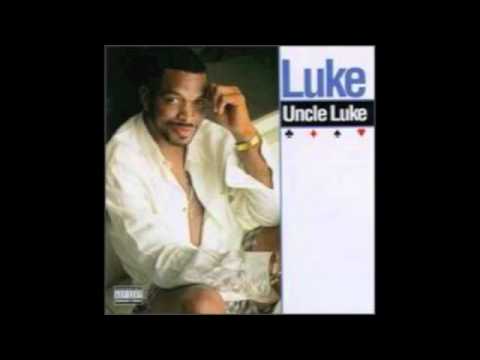


→ More from the 1990s File
View all 1990s hits →
Keep digging