The 1990s File Feature
Get Up
The Story Behind Get Up by Lost Boyz Picture New York hip-hop in the mid-1990s, a scene at its creative peak and brimming with distinctive voices. Queens had…
01 The Story
The Story Behind "Get Up" by Lost Boyz
Picture New York hip-hop in the mid-1990s, a scene at its creative peak and brimming with distinctive voices. Queens had given the world countless rap legends, and out of that borough came Lost Boyz, a crew whose blend of street narrative and party energy gave them a sound all their own. "Get Up" arrived in early 1997 as a celebratory anthem, the kind of feel-good rap record built to move a crowd while still keeping its boots on city pavement. To hear it is to drop back into a golden moment for East Coast hip-hop.
A Queens Crew on the Rise
Lost Boyz, led by the charismatic Mr. Cheeks, had broken through in the mid-1990s with a string of singles balancing hardcore credibility and crossover appeal. They told stories of neighborhood life with both grit and warmth, and Mr. Cheeks's distinctive flow gave them a signature identity. The group was a fixture of the mid-1990s New York rap scene, riding the energy of one of hip-hop's richest eras. "Get Up" came as they were building momentum, a track aimed at uniting clubs and corners alike.
The Sound of the Track
The record is built for movement, an uptempo anthem with a bouncing rhythm and an irresistible call to action in its title. Mr. Cheeks rides the beat with his characteristic blend of laid-back confidence and street authority. The production favors a punchy, celebratory feel suited to clubs and block parties, balancing the crew's harder instincts with genuine joy. It is the sound of a group that understood hip-hop could be both tough and fun in the same breath. That balance was harder to strike than it looked, and many crews leaned too far toward one side or the other. Lost Boyz kept their footing, delivering street credibility and pure good times without sacrificing either, which is a large part of what made their best singles connect so widely.
A Long Run on the Hot 100
The single proved a genuine success, showing real staying power. "Get Up" debuted on the Billboard Hot 100 at number 92 on January 4, 1997, then climbed steadily through the winter. It reached its peak of number 60 on February 15, 1997, the high point of a sustained run. The song spent seventeen weeks on the Hot 100, an impressive stretch that reflected its popularity on radio and in clubs. That longevity marked it as one of the crew's more durable chart entries. Seventeen weeks was a serious run in any era, especially for a hip-hop single navigating a competitive chart, and it spoke to genuine, broad-based appeal rather than a quick burst of hype. The song had legs, the mark of a record that connected on multiple fronts at once.
A Chapter in 1990s Rap
Lost Boyz remained an important part of the era's New York hip-hop fabric. The group's catalog captured the warmth and grit of mid-1990s Queens rap, and Mr. Cheeks went on to a solo career afterward. The crew's story carried later tragedy, but their best work, including this single, preserves a snapshot of a vibrant scene. "Get Up" stands as a reminder of how the era balanced street authenticity with infectious, celebratory energy. The mid-1990s remain a high-water mark for the genre, and records like this one are a big part of why.
Why It Still Moves the Floor
Put it on today and the energy is undimmed, an invitation to move that still works decades later. The groove is irresistible and the spirit is pure. There is a generosity to a record built simply to make people feel good together. For fans of golden-age East Coast rap, it is a joyful time capsule, a reminder of how alive the scene was. Press play and answer the title's command.
"Get Up" — Lost Boyz's singular moment on the 1990s charts.
02 Song Meaning
The Meaning Behind "Get Up" by Lost Boyz
Hip-hop has always known how to turn hardship into celebration, and "Get Up" is a vivid example. Beneath its party energy lies a message of resilience and motion, a call to rise and keep moving despite whatever life throws down. Its meaning lives in that fusion of struggle and joy that defined so much of 1990s rap.
A Call to Rise
The central theme is movement and uplift, an exhortation to get up and live. The lyrics function as a rallying cry, urging listeners to shake off hardship and join the celebration. That spirit of motion gives the song its purpose and its irresistible momentum. The title is practically a command, and the music backs it up with a beat that makes staying still feel almost impossible.
Joy as Survival
Underneath the party energy runs a deeper message about endurance. The song frames celebration as a form of resilience, a way of asserting life in the face of struggle. For a crew rooted in tough Queens neighborhoods, joy itself became a statement of strength. The party was never an escape from reality so much as a defiant response to it.
The Golden-Age Spirit
The mid-1990s saw New York rap balancing realism with communal energy. The track reflects hip-hop's gift for uniting the dance floor, bringing people together across the divide between hardcore and crossover. It speaks to a scene that prized both authenticity and good times. The genre at its mid-1990s peak knew how to hold hardship and celebration in the same hand, never pretending life was easy while still insisting on joy. This song lives in that tradition, offering release without ever losing sight of where its makers came from.
Why It Connected
Audiences responded to the song's infectious energy and its uplifting message. The universal urge to rise and celebrate made it resonate far beyond its New York roots. Listeners found in it both a party starter and a quiet affirmation of perseverance. That double function is a large part of why it traveled so far beyond its origins.
Community on the Dance Floor
The song is also about togetherness, the energy that comes from a crowd moving as one. It frames the party as a communal act, a place where people lift each other up. For a crew rooted in neighborhood life, that sense of gathering carried real weight, turning a dance record into something close to a celebration of belonging.
The Lasting Message
The song endures because it pairs joy with resilience, a combination at the heart of hip-hop's appeal. Its call to get up and keep moving remains timeless. In the hands of Lost Boyz, that message became a warm, danceable anthem of survival that still fills floors. The instinct to rise, to celebrate and to keep going never goes out of style.
→ More from Lost Boyz
View all Lost Boyz hits →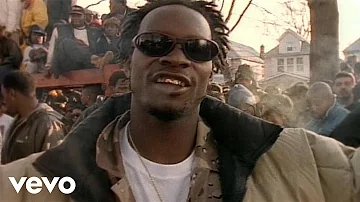



→ More from the 1990s File
View all 1990s hits →
Keep digging