The 1990s File Feature
Come Back
The Story Behind Come Back by Londonbeat Londonbeat made their name with one of the most infectious pop hits of the early 1990s, a song so ubiquitous it beca…
01 The Story
The Story Behind "Come Back" by Londonbeat
Londonbeat made their name with one of the most infectious pop hits of the early 1990s, a song so ubiquitous it became inseparable from the era. The international group blended soulful vocals with dance-pop production, creating a smooth, radio-friendly sound that defined a particular moment. "Come Back" arrived as they sought to build on that enormous initial success, a polished piece of pop-soul that showcased the rich harmonies and melodic sensibility that were the group's calling cards. It captured a band trying to extend a remarkable run into a second act.
After the Breakthrough
Londonbeat achieved global fame with their massive early-1990s hit, a song that topped charts around the world and made them international stars. The group built their sound on smooth vocal harmonies and a fusion of soul, pop, and dance influences. "Come Back" was a single released as the group worked to follow up their breakthrough success in the mid-1990s. The song carried the polished, melodic style that had made them famous, aiming to recapture the magic of their biggest hit. It arrived in a rapidly changing musical landscape, where the smooth dance-pop of the early 1990s was beginning to give way to new sounds and trends.
Smooth Pop-Soul
The song is a refined piece of mid-1990s pop, built on the group's signature vocal blend and a clean, contemporary production. Layered with rich harmonies and a smooth, melodic arrangement, the track showcases the soulful sound that defined Londonbeat. The production is polished and radio-friendly, in keeping with the group's established style. The vocals are warm and expressive, carrying the emotional weight of the song's plea. It is the kind of accessible, well-crafted pop that the group had perfected, designed to appeal to a broad audience drawn to melody and harmony over edge or experimentation.
A Brief Chart Stay
On the Billboard Hot 100, "Come Back" made a modest appearance, reflecting the difficulty of sustaining momentum after a massive breakthrough hit. The single debuted at its peak of number 62 on April 15, 1995, and then slipped down the chart over the following weeks rather than climbing higher. It spent 5 weeks on the Hot 100 in total, a short run that contrasted sharply with the towering success of the group's signature song. The performance illustrated a common challenge for acts known primarily for one enormous hit, the struggle to replicate that lightning-in-a-bottle moment a second time.
The Challenge of the Second Act
Londonbeat's situation in the mid-1990s illustrates one of the music industry's most persistent challenges, the difficulty faced by acts defined by a single enormous hit. Their breakthrough song had been a worldwide phenomenon, the kind of success that is both a blessing and a burden. Following up such a massive hit is notoriously difficult, since audiences and the industry alike measure everything new against that towering benchmark. The musical landscape was also shifting rapidly, as the smooth dance-pop of the early 1990s gave way to grunge, hip-hop, and emerging electronic styles. For a group whose appeal rested on polished, melodic pop-soul, staying relevant in that changing environment was a genuine struggle. Songs like this one represented sincere efforts to recapture past glory, and while they could not replicate that singular success, they demonstrated that the group's melodic gifts and vocal chemistry remained intact even as the spotlight moved on to newer sounds and faces.
A Footnote to a Famous Hit
"Come Back" stands as part of Londonbeat's effort to extend their success beyond their defining single. While it never matched that earlier triumph, it remains a polished example of the group's appealing pop-soul sound. With around 1.1 million YouTube views, the track continues to attract listeners exploring the group's catalog beyond their biggest hit. It captures a band with genuine melodic gifts working to stay relevant in a shifting pop world. Press play and enjoy the smooth harmonies of an early-1990s favorite.
"Come Back" — Londonbeat's singular moment on the 1990s charts.
02 Song Meaning
The Meaning of "Come Back" by Londonbeat
"Come Back" is a heartfelt plea for reconciliation, a song built around the longing for a departed lover to return. The title says it all: this is a direct appeal, an expression of regret and yearning aimed at someone who has left. The song captures the emotional ache of separation and the hope that a broken relationship might be mended. It is a tender, soulful exploration of loss and the desire to win back what has been lost.
The Plea for Return
The central emotion is longing. The narrator openly asks a former lover to return, expressing the depth of their need and the pain of the separation. There is vulnerability in that direct appeal, a willingness to set aside pride and admit how much the loss hurts. The song does not hide behind anger or indifference; it lays the feelings bare. That honesty about wanting someone back gives the song its emotional core and its relatability.
Regret and Reflection
Woven through the plea is a sense of regret. The song suggests reflection on what went wrong and a wish to make things right. The desire for reconciliation often comes paired with the recognition of one's own mistakes, and the song carries that undertone. There is a sense of looking back, of wishing for another chance to do better. That element of accountability deepens the appeal, making it more than a simple demand and more like a genuine hope for renewal.
Hope Amid Heartache
For all its sadness, the song holds onto hope. The very act of asking someone to come back implies a belief that reconciliation is still possible. The narrator has not given up. That thread of optimism, however fragile, runs through the heartache, suggesting that the door remains open. The song captures the particular emotional state of someone who is hurting but still hoping, clinging to the possibility that love might find its way back.
The Vulnerability of Asking
There is real courage in the song's central act. Asking someone to come back means admitting need and risking rejection all over again. Pride often keeps people from making such an appeal, preferring the safety of silence to the danger of being turned down twice. The song sets that pride aside, choosing honesty and hope over self-protection. That willingness to be vulnerable, to openly want and openly ask, gives the song its emotional honesty. It captures the difficult bravery required to reach out when a relationship has ended.
Why It Resonates
The song connects because the longing for a lost love is a universal experience. Almost everyone has wished, at some point, that someone who left would return. The song gives voice to that yearning with warmth and soulful conviction. Set to the group's smooth harmonies, the plea feels genuine and tender. "Come Back" endures as a heartfelt expression of hope and regret, a reminder of the deep human desire to mend what has been broken.
→ More from Londonbeat
View all Londonbeat hits →

→ More from the 1990s File
View all 1990s hits →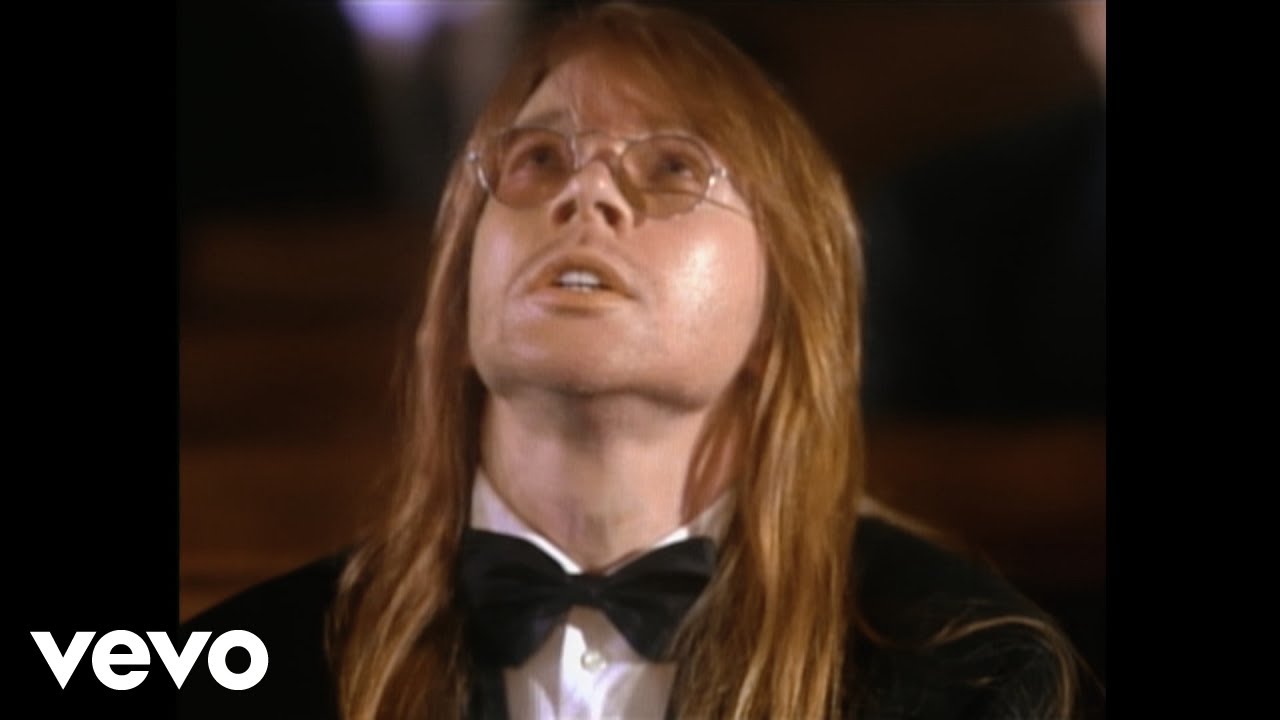




Keep digging