The 1990s File Feature
Better Than You
"Better Than You" — Lisa Keith's Long, Slow Climb Minneapolis R quieter, more mature sounds were beginning to assert themselves. Keith's approach fit natural…
01 The Story
"Better Than You" — Lisa Keith's Long, Slow Climb
Minneapolis R&B in the Early 1990s
The early 1990s were a fertile period for R&B acts with roots in the Minneapolis music scene, a city whose musical identity had been reshaped so thoroughly by Prince and the broader creative community around Paisley Park that even artists operating independently of that orbit benefited from the city's elevated profile. Lisa Keith was a Minneapolis-based singer and songwriter who had built her reputation as a performer and behind-the-scenes contributor before stepping forward with her own artist project. Her debut single "Better Than You" arrived in the summer of 1993 on A&M Records, and it found an audience more gradually than most singles of its era.
The R&B landscape in 1993 was a competitive and sophisticated space. New Jack Swing had run its commercial arc; quieter, more mature sounds were beginning to assert themselves. Keith's approach fit naturally into that shifting terrain, offering adult contemporary R&B with real emotional substance and a production style that was polished without being cold.
An Uncommonly Patient Chart Run
What makes "Better Than You" genuinely unusual is the patience of its chart ascent. The single debuted at number 99 on August 21, 1993, and then proceeded to climb, week by week, with remarkable consistency. From 94 to 83 to 74 to 64, the movement was steady and sustained over months rather than weeks. The song spent 20 weeks on the Billboard Hot 100, a run that places it in a different commercial category from most singles that never crack the top 20. It reached its peak of number 36 on November 6, 1993, more than two full months after its initial debut.
This kind of slow build was not common in an era when radio adds and video rotation could rocket a single up the chart in a matter of weeks. For "Better Than You" to sustain its momentum over five months of charting suggests it was being driven by something more organic: repeated plays, genuine listener affection, the accumulation of audience over time rather than a concentrated promotional push.
Keith's Songwriting Credentials
Lisa Keith's background as a songwriter was a genuine asset to her solo career. She had contributed to recordings by other prominent artists before launching her own project, and that experience informed her approach to her own material. "Better Than You" reflects the kind of song construction that comes from someone who understands how a melody needs to sit in the listener's memory, how a chorus needs to pay off the verse's setup, and how much emotional information can be packed into a lyric without overcrowding it.
The track demonstrates these qualities throughout. The melody is accessible but not simplistic. The arrangement supports the vocal without overwhelming it. The chorus arrives with the weight of something built up to, rather than dropped in from nowhere.
The Sound of Early 1990s R&B
Production on "Better Than You" reflects the transitional aesthetics of early 1990s R&B. The rhythmic foundation is contemporary, drawing on the programmed drums and bass textures that defined the era, but the arrangement leaves room for melodic warmth. There is a softness to the production that works with Keith's vocal approach rather than against it. The overall sonic impression is of an artist who understood the market she was entering and had crafted a record specifically designed to work within it while still feeling personal.
An Artist Who Deserved More Space
Lisa Keith's commercial success with "Better Than You" did not translate into the kind of sustained major-label career that the quality of her artistry might have warranted. The pop landscape of the mid-1990s was shifting toward different sounds, and acts that did not fit neatly into the emerging categories often found the promotional machinery moving elsewhere. But the extended chart run of "Better Than You" remains one of the more interesting data points in early 1990s R&B, a demonstration that a song can find its audience quietly over time.
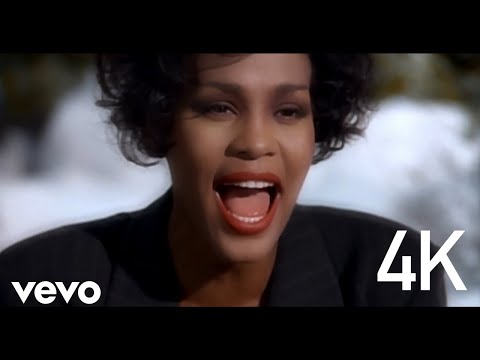
Press play and let it build the way it builds. Some records reveal themselves slowly, and that is exactly how this one earned its audience.
"Better Than You" — Lisa Keith's singular moment on the 1990s charts.
02 Song Meaning
"Better Than You" — Self-Worth, Comparison, and the Architecture of R&B Confidence
The Assertion at the Center
The title of the song is, in itself, a declaration. "Better Than You" plants a flag immediately, staking out a position of self-worth and superiority over someone who has underestimated or mistreated the narrator. This is an established tradition in R&B songwriting: the moment of realization that you deserve more than you have been given, and the corresponding elevation of self-regard that follows. Lisa Keith's delivery of this central assertion carries the quiet confidence of someone who has arrived at this position through genuine reflection rather than mere posturing.
The emotional journey the song maps is one many listeners recognize: the process of recognizing your own value after a relationship or situation has diminished it, and the gradual recovery of self-knowledge that follows.
Emotional Intelligence in Lyric Construction
What distinguishes "Better Than You" from simpler songs built on similar themes is the emotional nuance in its construction. The narrator is not angry, not vindictive, not interested in revenge. The claim of superiority is delivered without malice, as a statement of fact that the narrator has simply come to understand. This emotional restraint is more powerful than overt drama would be, because it suggests genuine resolution rather than wounded pride performing confidence.
Early 1990s R&B, at its best, excelled at this kind of nuanced emotional portraiture. The genre had developed a vocabulary for complex feeling that was sophisticated without being inaccessible.
The Slow Build and Its Emotional Logic
The song's 20-week chart run, climbing gradually from its debut at number 99 to its peak of number 36, mirrors the emotional logic of its lyrical content. Recovery from a relationship that diminished your self-worth does not happen overnight; it builds slowly, gains momentum over time, and reaches its resolution after a patient process. That the song found its audience through sustained radio presence rather than an immediate breakout gives it an almost thematic coherence with its subject matter.
This is not something that can be planned, but it is the kind of coincidence that makes certain songs feel like more than they are on the surface.
R&B Confidence as Cultural Statement
In 1993, R&B was experiencing a broader cultural conversation about identity, self-worth, and the terms on which Black women in particular were expected to present themselves in popular culture. Songs that asserted female self-confidence and agency, without aggression and without apology, were filling a real gap in the commercial landscape. "Better Than You" participates in this tradition, offering its affirmation of self-worth in a form accessible enough for mainstream radio while rooted in genuine emotional specificity.
The song's resonance with its audience over 20 weeks on the chart suggests that it was meeting a real emotional need, one that transcended demographic categories and spoke to anyone who had experienced the slow work of recovering their own sense of value after someone else had tried to diminish it.
"Better Than You" — Lisa Keith's singular moment on the 1990s charts.
→ More from the 1990s File
View all 1990s hits →



Keep digging