The 1990s File Feature
Conviction Of The Heart
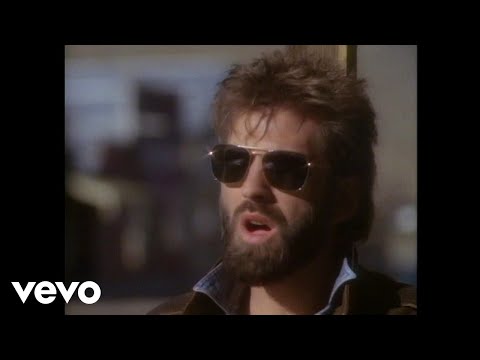
The Hopeful Pulse of Conviction Of The Heart by Kenny Loggins Imagine an early 1990s arena where, instead of a love song, the crowd is singing about the plan…
01 The Story
The Hopeful Pulse of "Conviction Of The Heart" by Kenny Loggins
Imagine an early 1990s arena where, instead of a love song, the crowd is singing about the planet itself, thousands of voices rising in a chant that feels closer to a prayer than a chorus. That was the unusual life of this Kenny Loggins single, a track that traded romance for activism and turned environmental concern into a genuine singalong. By the time it appeared, Loggins had already lived several pop lives, and this song marked yet another reinvention for one of the most adaptable voices of his generation.
From Soundtrack King to Earnest Believer
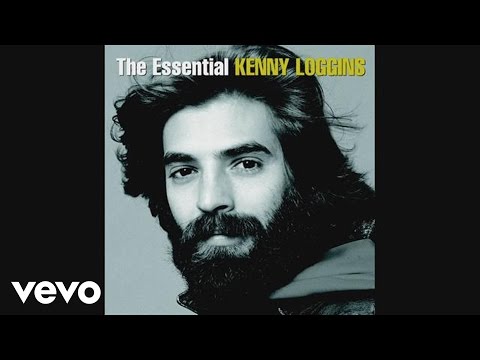
For much of the 1980s, Kenny Loggins had reigned as the undisputed master of the movie soundtrack, lending his voice to blockbuster moments and dominating radio with high-energy hits. By the dawn of the 1990s, though, he was reaching for something more reflective. "Conviction Of The Heart" appeared on his 1991 album Leap of Faith, a record that found him exploring spirituality, devotion, and a deeper sense of purpose. The shift surprised some fans, but it revealed an artist unafraid to follow his sincerity wherever it led.
An Anthem Built for the Cause
Musically, the song swells with the kind of uplift that demands a raised fist or a swaying crowd. Its arrangement builds steadily toward a chorus designed for mass participation, the melody open and generous enough for anyone to join. The lyrics reframe love as a force directed not at a single person but at the world, asking listeners whether their convictions match their feelings. It is rare for a pop ballad to function as both a love song and a call to action, yet this one manages the balance with surprising grace.
A Modest Showing on the Hot 100
Commercially, the single occupied a quieter place than Loggins's blockbuster era. "Conviction Of The Heart" debuted on the Billboard Hot 100 on October 26, 1991, at number 95, then climbed gradually through the autumn. It moved to 79, then 71, then 67, before peaking at number 65 during the week of November 23, 1991. The song spent 13 weeks on the Hot 100, a respectable run for a track whose deeper impact would be measured far beyond chart numbers. Its reach extended into causes and gatherings that never registered on any sales tally.
A New Direction for a Familiar Voice
The album Leap of Faith represented a deliberate turning point for Loggins, and this single sat at its emotional center. Where his soundtrack work had been built for adrenaline and motion, this material asked listeners to slow down and consider something larger than themselves. That was a risk for an artist so closely identified with high-octane radio fare, and not every fan followed him there. Yet the shift revealed the depth that had always lived beneath his hit-making surface. He had spent years writing about love and longing in conventional terms, and here he stretched those same instincts toward devotion of a more spiritual and communal kind. The move recast him, at least for a moment, as a sincere believer rather than a hit factory.
The Song That Outgrew the Charts
What gives this single its lasting reputation is its second life as an environmental rallying cry. It became associated with Earth Day events and was embraced as something of an unofficial anthem for the green movement of the era. That cultural afterlife matters more than its modest peak. With 1.3 million YouTube views accumulating over the years, the song continues to find listeners who care less about where it landed in 1991 and more about what it stood for. It is a reminder that chart position and genuine influence do not always travel together, and that some songs find their truest audience far from the radio.
Press Play With an Open Heart
Cue this one up when you need a reminder that pop music can aim higher than the personal. Let the chorus lift you, picture the crowds who sang it for the planet, and you will understand why this song meant so much to so many beyond the radio dial.
"Conviction Of The Heart" — Kenny Loggins's singular moment on the 1990s charts.
02 Song Meaning
What "Conviction Of The Heart" Is Really About
This Kenny Loggins anthem asks a deceptively simple question: do your actions match what you claim to love? It takes the language of romance and redirects it outward, toward the world, toward community, toward the planet itself. The result is a song about commitment in its largest sense, the kind that requires more than feeling.
Love as a Verb, Not a Mood
At its core, the song argues that genuine devotion must be lived, not merely felt. The lyrics challenge the listener to act on their beliefs rather than letting good intentions remain comfortable and abstract. It is a gentle but persistent prod, asking whether the love we profess shows up in how we treat the world around us. That challenge gives the song a moral weight unusual for radio pop.
The Planet as the Beloved
Where most ballads aim their affection at a romantic partner, this one widens the lens dramatically. The song reframes environmental care as an act of love, treating the earth as something worthy of the same passion and loyalty we reserve for the people we cherish. That metaphor proved powerful enough to make the track a fixture of green gatherings, where its chorus could be sung as a shared promise.
A Mirror of Early 1990s Idealism
The song arrived as environmental awareness was surging into mainstream consciousness, with Earth Day drawing larger crowds and a generation increasingly anxious about the planet's future. Its earnest hopefulness captured that cultural moment perfectly. It offered listeners a way to feel that their concern could be channeled into something collective and uplifting rather than merely worried. The timing made the song feel less like a single and more like a movement's soundtrack.
The Demand of True Belief
Running beneath the uplift is a quietly demanding idea, the suggestion that belief carries obligations. The song insists that conviction must cost something, that to truly care is to be willing to change how you live. It does not let the listener off easily with warm feelings alone. Instead it presses gently on the gap between what we say we value and how we actually behave. That moral seriousness, wrapped in such an accessible melody, is part of what made the song resonate beyond the radio and into the gatherings where people sang it as a shared commitment rather than mere entertainment.
Why Its Sincerity Endures
In an age that often prizes irony, the unguarded earnestness of this song can feel almost startling. Its refusal to be cynical is exactly what keeps it alive. It still speaks to anyone who believes that loving something means defending it, and that conviction without action is hollow. That message has only grown more relevant with time, as the concerns it voiced have moved from the margins to the center of global conversation.
→ More from Kenny Loggins
View all Kenny Loggins hits →


→ More from the 1990s File
View all 1990s hits →



Keep digging