The 1990s File Feature
Hello L.O.V.E.
Hello L.O.V.E. by John Michael Montgomery: Country's Late-1990s Radio Sound The summer of 1999 found country music in the midst of a commercial expansion tha…
01 The Story
Hello L.O.V.E. by John Michael Montgomery: Country's Late-1990s Radio Sound
The summer of 1999 found country music in the midst of a commercial expansion that had been building through the 1990s. The format had found larger audiences through the decade through artists who combined traditional country values with productions accessible to listeners who had not previously identified as country fans. John Michael Montgomery was one of the artists who had participated in this expansion, his romantic vocal style and commercial instincts earning him a place among country's most consistent chart performers through the mid-to-late 1990s.
John Michael Montgomery's Country Career
Montgomery had emerged from Kentucky with a vocal style that combined the warmth and directness of traditional country with enough production polish to reach the broader audience that 1990s country was cultivating. His recordings from the mid-1990s had established him as a reliable commercial presence on country radio, generating a fan base that responded consistently to his releases.
By 1999, Montgomery had built a career on exactly the kind of straightforward romantic country that Hello L.O.V.E. represents: songs that said something direct and emotionally uncomplicated about love, delivered with vocal sincerity and set against production that balanced contemporary production values with country's traditional instrumentation. This was not a formula that generated critical excitement, but it was one that generated genuine audience loyalty.
Chart Performance in Summer 1999
Hello L.O.V.E. entered the Billboard Hot 100 on June 5, 1999, debuting at position 87. Over the following weeks it climbed to 76 and then peaked at number 71 during the weeks of June 19 and 26, 1999. The six-week chart run placed the record in the lower tier of the Hot 100, a position that reflected the record's success on country radio while indicating that its crossover appeal to the broader pop audience was limited.
Country singles in the late 1990s typically earned their commercial success primarily through country radio play and chart performance on the country-specific charts rather than through Hot 100 crossover, and a Hot 100 presence of any kind represented additional mainstream reach beyond the format's core audience.
The Sound of Late-1990s Commercial Country
Hello L.O.V.E. reflects the production aesthetic that dominated commercial country in the late 1990s: clean acoustic guitar and steel guitar providing the country identifying markers, a rhythm section that gave the record enough drive for radio without compromising the acoustic warmth that country audiences expected, and a vocal production that kept Montgomery's voice clear and present in the mix. The result is a record that sounds immediately like 1999 country to anyone who listened to the format during that period, its production choices both of their moment and clearly within the country tradition.
Romantic Country and Its Audience
The consistent commercial success of romantic country ballads and uptempo love songs through the 1990s reflected a genuine audience need that the format was particularly well-positioned to meet. Country's tradition of emotional directness, its willingness to say exactly what a feeling is without ironic qualification or stylistic sophistication, gave romantic country a quality of emotional accessibility that audiences seeking uncomplicated musical affirmation consistently responded to. Montgomery built his career on this accessibility, and Hello L.O.V.E. represents it in characteristically direct form. The spelling out of the word love in the title, turning it into an acronym, adds a playful element to the romantic directness without significantly complicating the song's fundamental emotional clarity.
Country Radio's Commercial Logic in 1999
The country radio infrastructure of 1999 operated according to a commercial logic that favored artists who could deliver consistent quality within well-understood parameters. Program directors managing country stations in that era were not looking for experimentation or boundary-pushing; they were looking for records that would hold their audiences through the commercial breaks and generate enough listener loyalty to sustain competitive ratings. Montgomery understood this environment with the clarity of a career that had been built within it, and Hello L.O.V.E. was calibrated precisely to that understanding. The record asked nothing of country radio that country radio was not already prepared to give, and country radio responded accordingly. This alignment between artist and format, built over years of consistent releases, is what separated the acts that sustained long careers from those that generated brief chart activity and then faded. Montgomery's sustained presence through the 1990s was a product of this careful calibration, and Hello L.O.V.E. reflects it clearly.
Press play and let John Michael Montgomery remind you what country radio sounded like when it was at its most romantically straightforward.
Hello L.O.V.E. — John Michael Montgomery's singular moment on the 1990s charts.
02 Song Meaning
The Meaning Behind Hello L.O.V.E.: Greeting Love, Country's Romantic Directness
Hello L.O.V.E. greets its subject in the most direct way possible: with a hello, an acknowledgment of arrival, a welcome extended to love as though it were a person walking through a door. This personification of love as something that arrives and can be greeted is one of the oldest devices in the romantic song tradition, and John Michael Montgomery's recording uses it with the straightforwardness that defines the best commercial country.
Love as Arrival
The greeting in the title implies a before and an after: there was a time before love arrived and there is now the moment of its arrival and the anticipation of what comes next. This temporal structure, love as a transformative event rather than a static condition, gives the song a sense of momentum and narrative even in what is essentially a lyric rather than a narrative song. The listener is positioned at the threshold between a previous state and a new one, which is one of the most emotionally generative positions that a love song can occupy.
The acronym spelling of LOVE adds a playful dimension to this threshold moment, treating the word with a kind of affectionate formality that lightens the sentiment without undermining it. This tonal balance, warm but not saccharine, direct but not ponderous, is characteristic of Montgomery's approach to romantic material at its most effective.
Country's Emotional Vocabulary
Country music has developed a specific emotional vocabulary for romantic experience that differs from other popular genres in its commitment to plainspoken directness. Where rock often approaches romantic love through the lens of desire and loss, and where pop often wraps romantic content in stylistic sophistication, country's traditional approach has been to say the feeling directly, without elaborate mediation, trusting the clarity of the statement to carry its emotional weight.
Hello L.O.V.E. operates within this vocabulary with characteristic effectiveness. The greeting is plain and direct; the welcome is genuine; the emotion is stated rather than implied. For the listener who wants to hear love celebrated without complication, this approach delivers exactly what the title promises.
The Late-1990s Country Moment
The late 1990s were a commercially fertile period for country music, with the format reaching larger audiences than it had in previous decades through a combination of traditional values and contemporary production. Artists like John Michael Montgomery occupied an important position within this expansion: they maintained enough traditional country identity to satisfy longtime format listeners while offering enough contemporary polish to attract newer audience members who discovered country through the decade's crossover success stories.
Hello L.O.V.E. is perfectly positioned within this context. It does nothing to alienate either the traditional country listener or the newer crossover audience; it delivers the straightforward romantic content that both groups could appreciate while maintaining the production values and vocal sincerity that defined quality commercial country of the period. This careful positioning is not a limitation of the record's ambition but a reflection of its commercial intelligence, a song that knew exactly what it wanted to be and achieved that goal with considerable skill.
Sincerity as Artistic Commitment
One quality that distinguished John Michael Montgomery's best work was genuine vocal sincerity, the sense that he meant what he was singing rather than performing sentiment at a safe ironic distance. In an era when irony was a dominant mode in much of popular culture, this commitment to unguarded feeling was both commercially valuable and artistically distinctive. Hello L.O.V.E. benefits from this sincerity: the greeting it extends to love sounds genuinely welcoming because Montgomery's vocal delivery makes the emotion feel real rather than constructed. That quality is what gives commercial country its enduring appeal to the audience that chooses it.
→ More from John Michael Montgomery
View all John Michael Montgomery hits →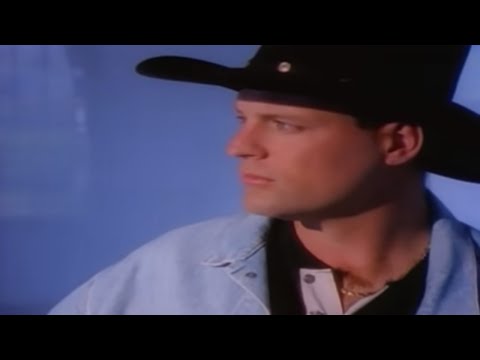
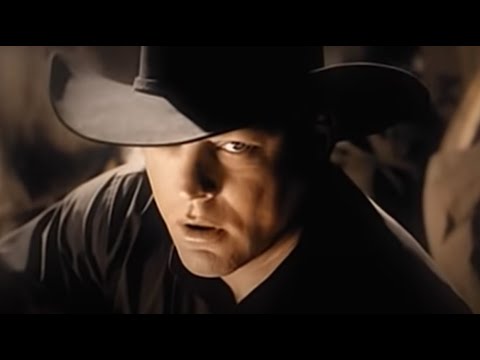

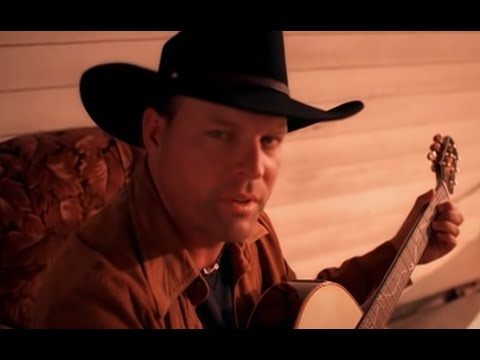
→ More from the 1990s File
View all 1990s hits →



Keep digging