The 1990s File Feature
Don't Wanna Fall In Love
The Enigmatic Rise of "Don't Wanna Fall in Love" by Jane Child Picture this: it's the late 1980s, and the music world is buzzing with synth-pop flair and the…
01 The Story
The Enigmatic Rise of "Don't Wanna Fall in Love" by Jane Child
Picture this: it's the late 1980s, and the music world is buzzing with synth-pop flair and the raw energy of new jack swing. Amid that electric mix, a Canadian singer-songwriter named Jane Child steps onto the scene with a track that captures the push-pull of modern romance like nothing else. "Don't Wanna Fall in Love," released in 1990, became her signature hit—a one-hit wonder that still tugs at heartstrings decades later. I remember hearing it first on the radio as a kid, that haunting voice and funky bass line pulling me in, making me wonder about the woman behind the mystery.
The Spark of Creation: A Heart in Turmoil
Jane Child wrote "Don't Wanna Fall in Love" during a period of personal upheaval in her early 20s. Born in Toronto in 1967 to a musical family—her father was a jazz pianist—she'd already honed her skills playing violin and piano before diving into songwriting. The song emerged from a whirlwind romance that left her wary of love's deeper pitfalls. As she later shared in interviews, it was about that exhilarating yet terrifying moment when attraction hits hard, but commitment feels like a trap. "I didn't want to fall, but I was already tumbling," she quipped once, capturing the song's ironic core.
Interestingly, Child crafted the melody on a whim while tinkering with her keyboard in a cramped Toronto apartment. She drew inspiration from Prince's playful sensuality and the emotional depth of Whitney Houston's ballads, blending them into a pop-funk hybrid. One anecdote that always makes me smile: Child initially hummed the chorus while dodging Toronto's winter chill, scribbling lyrics on a napkin in a coffee shop. That raw, spontaneous energy shines through in the track's infectious hook—"I don't wanna fall in love... with you"—a mantra for anyone who's ever guarded their heart.
Recording in the Heat of the Studio
By 1989, Child had caught the eye of Warner Bros. Records, leading to sessions in Los Angeles with producer David Gamson, known for his work with Scritti Politti. The recording happened in a sun-drenched L.A. studio during the sweltering summer, where Child played most instruments herself—bass, keyboards, even some percussion—to keep the vibe intimate. Gamson added polished layers, but Child insisted on a live feel, layering her vocals to echo the song's conflicted emotions.
Anecdotes from the sessions reveal her perfectionism: she reportedly re-recorded the bridge over a dozen times, chasing that perfect blend of vulnerability and sass. The result? A crisp production with a throbbing bass line that pulses like a racing heartbeat, all wrapped in Child's ethereal falsetto. It wasn't just a song; it was a sonic diary entry, born from late-night tweaks and endless coffee runs.
Release, Chart Climb, and Lasting Echoes
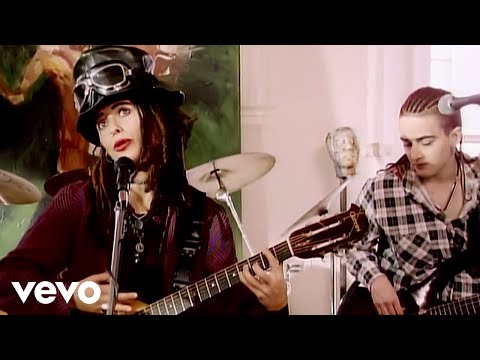
Released as the lead single from her self-titled debut album in 1990, "Don't Wanna Fall in Love" exploded onto the scene. It peaked at No. 4 on the Billboard Hot 100, fueled by MTV airplay and its quirky music video—Child sporting a towering, gravity-defying updo that became an instant icon. That hairstyle, a wild tangle of curls piled high, was no accident; she designed it to symbolize emotional chaos, turning heads and sparking fashion trends.
Success came swiftly but faded just as fast—her follow-ups didn't chart as high, cementing its one-hit wonder status. Yet, the song's impact rippled through pop culture. It soundtracked coming-of-age moments for Gen Xers, popping up in films like Reality Bites and endless rom-com playlists. Musically, it bridged 80s synth-pop and 90s R&B, influencing artists like TLC and even modern acts like Tinashe. Culturally, it nailed the era's ambivalence toward love amid rising divorce rates and AIDS awareness, offering a sly anthem for emotional independence.
Looking back, Jane Child's gem reminds us how a single track can encapsulate a generation's guarded hopes. It's imperfect, just like love itself—funky, fleeting, and forever memorable.
02 Song Meaning
Decoding "Don't Wanna Fall In Love": Jane Child's 1990 Anthem of Heartfelt Resistance
There's something raw and electric about Jane Child's "Don't Wanna Fall In Love," a track that hit the airwaves in 1990 and still tugs at the edges of my nostalgia. With its funky bass lines and Child's soaring vocals, the song isn't just pop candy—it's a lyrical confession wrapped in synth-pop sheen. As someone who's spun this record countless times, I hear in it a young woman's fierce declaration against the chaos of romance, delivered with a vulnerability that feels timeless.
Main Themes: Guarded Hearts and the Pull of Independence
At its core, the lyrics revolve around the terror of vulnerability. Child sings, "I don't wanna fall in love, this world is only gonna break your heart," painting love as a seductive trap that promises ecstasy but delivers pain. It's a theme of self-preservation, where the narrator recognizes the magnetic draw of connection—"Caught up in a southern summer bare" evokes that hazy, irresistible heat—yet chooses solitude over surrender. Independence shines through as a quiet rebellion, a refusal to let emotions dictate her path. These lines echo the push-pull of human desire: we crave closeness, but fear its wreckage.
Artistic and Emotional Message: A Plea for Emotional Armor
Child's message feels like a heartfelt warning, both to herself and anyone listening. She's not preaching cynicism; there's tenderness in her resistance, as if she's whispering, "I've been burned before, and I won't let it happen again." Artistically, she blends pop accessibility with deeper introspection, using her Canadian roots and genre-blending style to make the personal universal. Emotionally, it's a balm for the heartbroken, validating that it's okay to build walls when the heart's been bruised. In a voice that's equal parts defiant and wistful, she captures the ache of longing without the leap.
Social and Cultural Context: 1990's Echoes of Empowerment and Caution
Released in the early '90s, amid the tail end of the '80s glam and the rise of grunge's grit, this song rode the wave of women reclaiming agency in music. Think Madonna's bold sexuality or the budding girl power of the era—Child fits right in, but with a twist: her caution against love's pitfalls mirrors the AIDS crisis's shadow and the cultural shift toward safer emotional boundaries. It was a time when pop wasn't just escapism; it grappled with real fears, and "Don't Wanna Fall In Love" became a subtle feminist nod, empowering listeners to prioritize self-love over risky romance.
Metaphors and Symbolisms: Heat, Traps, and Tangled Webs
Child's metaphors simmer with intensity. The "southern summer bare" symbolizes that bare-all vulnerability of infatuation, hot and exposed like sun-scorched skin. Love itself is a "trap," a sticky snare that entangles the free spirit, while the recurring image of a "web" suggests the inevitable complications of emotional ties. These aren't overblown symbols; they're visceral, drawing from nature's wildness to mirror the untamed heart. They ground the abstract fear in something tangible, making the listener feel the sweat and the struggle.
Emotional Impact: A Resonant Shield for the Wary
Listening to this song hits like a cool breeze on a feverish night—it soothes while stirring old wounds. For me, it evokes that post-breakup resolve, the kind that fortifies you against the next charmer. Fans from the '90s might recall dancing to it at clubs, feeling empowered amid the era's glossy optimism. Today, it resonates with anyone navigating modern dating's swipe-right pitfalls, offering a reminder that guarding your heart isn't weakness; it's wisdom. Child's track lingers, not as a downer, but as an anthem for the emotionally cautious, leaving you humming its hook with a knowing smile.
→ More from the 1990s File
View all 1990s hits →

Keep digging