The 1990s File Feature
What You Won't Do For Love
What You Won't Do For Love — Go West Covers a Soul Classic in the 1990s The spring of 1993 found Go West, the British pop-soul duo of Peter Cox and Richard D…
01 The Story
"What You Won't Do For Love" — Go West Covers a Soul Classic in the 1990s
The spring of 1993 found Go West, the British pop-soul duo of Peter Cox and Richard Drummie, returning to the Hot 100 with a cover of Bobby Caldwell's 1978 blue-eyed soul classic. The timing was deliberate: the original "What You Won't Do for Love" had experienced a significant cultural revival after being sampled prominently in Tupac Shakur's "Do for Love" in 1997, though that later usage came after Go West's recording. Their 1993 version arrived when the original was being recognized by a new generation as a touchstone of warm, sophisticated soul-pop, and Go West's approach to the material fit squarely within their established identity as architects of polished, emotionally direct pop-soul.
Go West's Commercial Identity
Go West had established themselves in the mid-1980s British pop scene with a sound that combined slick production with Cox's genuinely expressive voice, a combination that had produced top-40 hits in both Britain and America. Their approach to soul music was respectful without being merely imitative, drawing on the tradition's emotional vocabulary while packaging it in arrangements that were recognizably of their commercial moment. By 1993, they had developed a devoted audience that appreciated both the quality of Cox's voice and the duo's consistent craft in selecting and arranging material. The choice to cover Bobby Caldwell reflected both their musical taste and their commercial instincts.
The Original and Its Legacy
Bobby Caldwell's 1978 original "What You Won't Do for Love" had been a remarkable commercial and cultural event: a white artist whose label marketed him as soul, keeping his image off the album cover initially, and whose voice was so convincingly in the soul tradition that radio audiences accepted him without question. The song itself was impeccably crafted, a melody and chord progression of considerable elegance supported by a production that had learned everything it needed to from the blue-eyed soul tradition. By 1993, the song was considered a standard by serious soul and R&B listeners, the kind of material that any singer approaching it was acknowledging as significant.
Eleven Weeks and a Peak at Number 55
Go West's "What You Won't Do for Love" debuted on the Billboard Hot 100 on March 13, 1993, entering at number 92 and beginning a steady upward climb over the following weeks: from 92 to 85, 65, 63, 61. The single reached its peak position of number 55 on April 17, 1993, before beginning a gradual descent through a chart run that lasted eleven weeks in total. A top-55 finish for a cover version in 1993 represented a meaningful commercial result, particularly in a pop landscape that was becoming increasingly dominated by hip-hop and R&B sounds that were moving in quite different aesthetic directions from what Go West was doing.
The Early Nineties Pop-Soul Moment
The Hot 100 in the spring of 1993 was navigating the overlapping commercial dominance of R&B, new jack swing, and a pop mainstream that was trying to find its footing between these forces and the competing claims of alternative rock. Go West's polished pop-soul occupied a niche that was somewhat outside the dominant commercial currents of the moment but that maintained a loyal audience who valued the kind of craftsmanship and emotional directness they consistently delivered. Their eleven-week chart run reflected the depth of that audience's engagement rather than any broader mainstream breakthrough.
The Record's Place in Go West's Story
Go West continued making music through the 1990s and maintained a presence as a live act, particularly in the UK, where their fanbase remained loyal and active. "What You Won't Do for Love" stands as one of their more successful cover recordings, a piece of work that honored a well-loved original while demonstrating the specific qualities that made Peter Cox's voice worth listening to. The 184,000 YouTube views speak to fans of both the original and the cover who have found their way to this particular interpretation.
For anyone who loves the blue-eyed soul tradition and wants to hear how it traveled into the early 1990s, this is a worthwhile listen. Press play.
"What You Won't Do For Love" — Go West's singular moment on the 1990s charts.
02 Song Meaning
The Meaning Behind "What You Won't Do For Love" by Go West
Bobby Caldwell's original "What You Won't Do for Love" was one of those songs that understood something precise and honest about the experience of romantic devotion: that love regularly asks people to do things they would not otherwise choose to do, to compromise positions they might otherwise hold, to invest in ways that carry real risk of loss. The title's framing, organized around what a person will do rather than simply how they feel, gives the song a behavioral specificity that most love songs lack. Go West's 1993 cover inherits this emotional precision and delivers it with the warmth and directness that their best recordings always brought to soul-influenced material.
The Behavioral Logic of Love
The song's central observation is that love changes the calculus of decision-making in ways that can feel, from the outside, entirely irrational. Things you would not do for any other reason, you will do for love: compromise your principles, change your habits, take risks that your normal judgment would refuse. The "what you won't do" construction frames this as a revelation, a recognition that the narrator's behavior has surprised even themselves with its willingness to go beyond what they thought was possible. This self-surprised quality is part of what makes the lyric feel honest rather than performed.
Peter Cox's Voice and the Soul Tradition
When a singer with Cox's particular gifts approaches soul material, the question is always whether the voice can inhabit the tradition's emotional register authentically rather than merely reproducing its surface characteristics. Cox had spent his career developing the specific combination of technical control and emotional availability that the best soul singing requires, and his approach to this material demonstrates that development. His voice delivers the song's emotional argument with enough conviction that the listener does not need to bridge a gap between the performance and the feeling. The two things are the same thing, which is the goal of great soul singing.
Devotion and Its Costs
The song's emotional sophistication lies in its implicit recognition that the things love asks of us have costs. The narrator is not simply celebrating devotion; they are acknowledging its demands, recognizing that choosing love means accepting a set of obligations and vulnerabilities that come with it. This is a mature reading of what it means to be in a serious relationship, one that goes beyond the simpler declaration of feeling that dominates most romantic pop. The what-you-won't-do framing insists on the behavioral reality of love rather than allowing it to remain purely in the emotional register.
The Blue-Eyed Soul Tradition and Its 1993 Context
The blue-eyed soul tradition, in which non-Black artists work seriously and respectfully within the forms and conventions of soul music, has a long and complicated history in American popular music. Go West represented a British branch of this tradition, working in a form whose American origins were always visible and audible while bringing to it a sensibility shaped by their own musical background and cultural context. By 1993, the tradition was well-established enough that a cover of a 1978 classic could be received on its own terms rather than primarily as a cultural transaction requiring complicated negotiation.
Why the Song Keeps Traveling
"What You Won't Do for Love" has been covered and sampled more times than most songs of its era, and each new version is drawn by the same qualities that made the original compelling: the emotional precision of the lyrical observation, the melodic elegance of the composition, and the implicit challenge it poses to any singer to inhabit the feeling with enough honesty to earn the material. Go West's version met that challenge with the craft and sincerity that the best of their work always demonstrated.
→ More from Go West
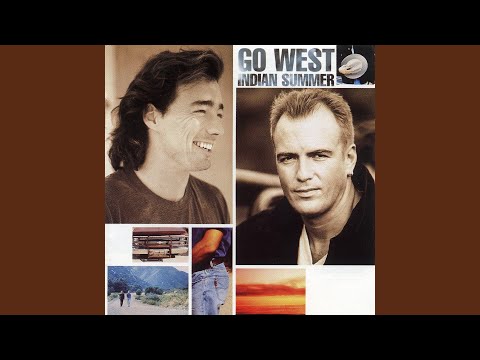
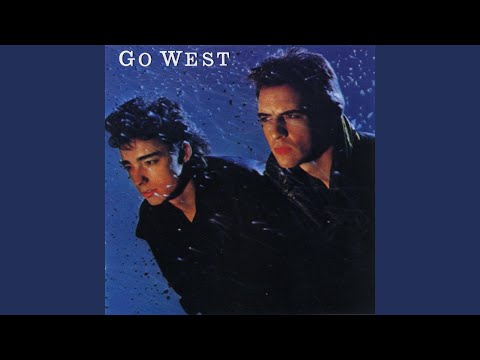
View all Go West hits →

→ More from the 1990s File
View all 1990s hits →
Keep digging