The 1990s File Feature
Club At The End Of The Street
The Story Behind Club At The End Of The Street by Elton John Picture 1990: a new decade is dawning, and one of the most enduring superstars in music history …
01 The Story
The Story Behind "Club At The End Of The Street" by Elton John
Picture 1990: a new decade is dawning, and one of the most enduring superstars in music history is enjoying a creative and personal resurgence. Elton John, the legendary singer and pianist whose catalog of hits stretched back two decades, delivered a warm, soulful single steeped in the rhythm and blues and Motown influences he had always loved. Smooth and nostalgic, it found the icon in a relaxed, affectionate mode, paying tribute to the music that first inspired him.
A Living Legend
By 1990, Elton John was firmly established as one of the most successful and beloved artists of all time, with an extraordinary run of classic songs behind him. "Club At The End Of The Street" came from his album Sleeping with the Past, released in 1989, a record consciously crafted as a tribute to the classic soul and R&B music that had shaped him and his longtime lyricist Bernie Taupin. The single reflected that loving homage, channeling the warm, vintage sounds of an earlier era through Elton John's unmistakable style.
The Sound Of The Single
The track was a smooth, soulful song with a warm, nostalgic groove rooted in classic rhythm and blues. It evoked the spirit of Motown and vintage soul, with a relaxed, romantic feel and an easy, melodic charm. Elton John's voice, rich and expressive, glided over the gentle arrangement, conjuring the cozy atmosphere of the intimate club the title describes. The production was polished yet affectionate, capturing the feeling of a late night spent listening to the music of an earlier age. It was a heartfelt tribute to the sounds that had inspired him.
A Solid Chart Run
The single performed respectably on the pop chart, a reliable showing for the veteran star. It debuted on the Billboard Hot 100 dated April 28, 1990, at number 86, then climbed steadily over the following weeks. It eventually reached its peak of number 28 on July 7, 1990, and spent sixteen weeks on the Hot 100. That solid performance confirmed Elton John's enduring appeal as he moved into a new decade, proving that his gift for warm, melodic songcraft remained as strong as ever.
A Tribute To His Roots
The album this single came from was a conscious act of homage, and that intention shapes how the song should be heard. Elton John and his longtime lyricist Bernie Taupin had grown up steeped in the classic soul and rhythm and blues of the fifties and sixties, the music of Motown and the great soul labels that had first inspired them to make records of their own. By the late eighties, with decades of success behind him, Elton John chose to look back and pay tribute to those formative influences, crafting an entire album in their warm, vintage spirit. This single embodies that loving backward glance, channeling the sounds of his youth through his own mature artistry. There is real affection in the gesture, the sense of a master returning to the wellspring of his inspiration. For longtime fans, the album offered a revealing glimpse into the music that had shaped one of pop's greatest songwriters.
Part Of A Loving Tribute
The single belonged to an album that stands as one of Elton John's most heartfelt projects, a deliberate celebration of the soul and R&B music that had shaped his artistry. It demonstrated his deep musical roots and his ongoing ability to craft warm, appealing songs decades into his career. While it may not rank among his most famous hits, the single captures a relaxed, affectionate side of the icon, a master songwriter paying tribute to his influences with evident love. It remains a charming entry in an unparalleled catalog.
Put it on for a warm, late-night mood and let that soulful groove unfold. This is a legend honoring the music that made him.
"Club At The End Of The Street" — Elton John's singular moment on the 1990s charts.
02 Song Meaning
The Meaning Of "Club At The End Of The Street" by Elton John
This is a song about love, comfort, and the warm refuge of a special place where two people can escape together. Built around the image of an intimate club at the end of the street, it celebrates romance and togetherness, evoking the cozy, nostalgic feeling of a haven shared by lovers.
A Place Of Refuge
The central image is the club itself. It represents a warm, welcoming refuge, a place where the narrator and his love can retreat from the world and simply be together. That setting gives the song its cozy, inviting atmosphere, framing love as something nurtured in a private, comforting space. The club becomes a symbol of intimacy and belonging, a sanctuary where the couple feels at home.
Romance And Togetherness
At its heart the song is a celebration of being together. It evokes the simple joy of sharing a beloved place with someone you love, dancing close and savoring each other's company. There is no conflict or drama here, only the warmth of connection and the pleasure of a shared retreat. That focus on tender togetherness gives the song its gentle, affectionate spirit, presenting love as a source of comfort and ease.
Nostalgia In The Sound
The meaning is deepened by the song's vintage feel. Its classic soul and Motown influences evoke a warm sense of nostalgia, connecting the romance to the timeless music of an earlier era. That nostalgic quality enriches the emotional message, suggesting that the love and refuge the song describes are part of a long, cherished tradition. The throwback sound makes the feeling of comfort and belonging feel even more timeless and enduring.
The Comfort Of A Shared Haven
The song taps into a quietly powerful human longing. Beyond romance itself, it speaks to the universal desire for a place of refuge, a corner of the world where you feel safe and at ease with someone you love. For the narrator that place is the club at the end of the street, but the deeper appeal lies in the idea it represents, the comfort of having a sanctuary to retreat to together. Everyone craves that kind of haven, a space set apart from the pressures of daily life where connection can flourish. By making such a place the heart of its love song, the track touches something warm and deeply relatable, celebrating not just a romance but the cozy security of belonging somewhere, with someone, away from the world.
Why It Resonated
The song connected because it offered a warm, inviting vision of love and escape. The desire for a comforting place to share with someone you love is deeply relatable, and the song wrapped that longing in a smooth, nostalgic groove. Delivered with Elton John's rich voice and affectionate charm, it gave listeners a cozy retreat in musical form, a tender celebration of romance and the small havens where it flourishes.
→ More from Elton John
View all Elton John hits →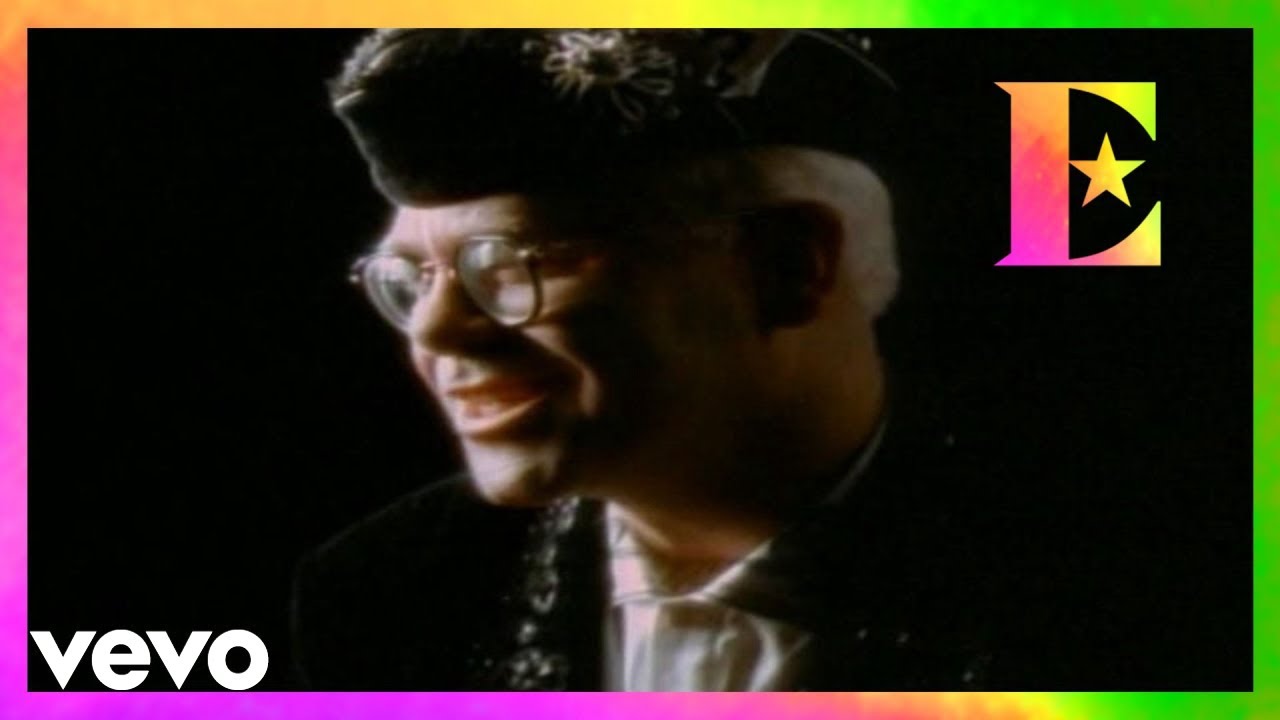




→ More from the 1990s File
View all 1990s hits →


Keep digging