The 1990s File Feature
Heaven In The Back Seat
Heaven In The Back Seat: Eddie Money s Late-Career Highway Anthem By the early 1990s, Eddie Money had already lived several distinct chapters of a long, occa…
01 The Story
Heaven In The Back Seat: Eddie Money's Late-Career Highway Anthem
By the early 1990s, Eddie Money had already lived several distinct chapters of a long, occasionally turbulent rock and roll career, from his hard-won breakout hits in the late 1970s through the MTV-fueled resurgence of songs like Take Me Home Tonight in the mid-1980s, a genuine comeback few artists manage even once in a career, let alone twice over such a long, eventful span. Heaven In The Back Seat, released in 1991, found the veteran rocker still chasing that same reliable formula of hook-driven, good-humored rock and roll, a genuine testament to Money's remarkable durability in an industry increasingly dominated by younger acts and rapidly shifting sonic trends around him on radio and on MTV alike, from grunge to hip-hop and back again with each passing year.
A Career Built on Persistence
Money had first broken through commercially in 1977 with Baby Hold On, establishing himself early as a reliable, dependable hitmaker with an everyman charisma that connected across multiple eras of rock radio programming and shifting audience tastes over the many long years that followed his initial rise to fame. By the time of Heaven In The Back Seat's release, he had already weathered the shifting tastes of nearly fifteen years in a notoriously fickle business, adapting his sound while retaining the same fundamental appeal: unpretentious, hook-heavy rock built for maximum singalong potential at every single arena and club show he played across the country and beyond it. That consistency, rather than reinvention, became something of a trademark across his catalog.
Familiar Territory, Executed With Craft
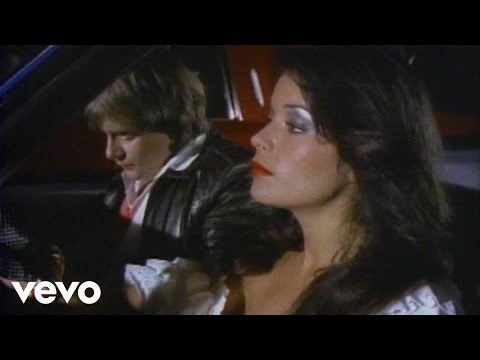
The song leaned into classic, well-worn rock and roll subject matter, youthful romance and the freedom of the open road, delivered with the polished, radio-ready production values typical of early-1990s mainstream rock records aimed at a broad, multi-generational audience of longtime fans and casual listeners alike. That combination of nostalgic subject matter and slick, contemporary production gave the track a sound that felt both comfortably familiar to longtime fans and current enough to compete on rock radio playlists of the moment against considerably younger competitors chasing exactly the same listeners, airtime, and record sales figures every single week.
A Solid, Patient Chart Climb
The single debuted on the Billboard Hot 100 on September 14, 1991, at number 92, and climbed steadily, week after week, in the months that followed its release into record stores and onto rock radio playlists nationwide. It ultimately reached its peak position of number 58 on October 12, 1991, over a run of eight weeks on the chart total, a genuinely respectable showing for an artist well into his second full decade of recording and touring. That gradual, consistent rise reflects the kind of durable radio support an established veteran like Money could still command from loyal, longtime listeners, even without the explosive first-week impact of a newer pop sensation on the scene at the time competing for the same limited airplay.
A Testament to Staying Power
Few rock artists managed to remain commercially relevant across as many distinct pop eras as Eddie Money did throughout his long, winding career, and Heaven In The Back Seat stands as clear evidence of that hard-won staying power, a song that found its audience well over a decade after his very first hit single first reached radio. It reflects an artist who understood exactly what his fans wanted and continued delivering it with genuine craft and hard-earned consistency, long after many of his 1970s peers had already faded from the charts entirely and left the touring circuit altogether for good.
Press play and roll the windows down for one more ride with a rocker who never stopped chasing the perfect hook.
"Heaven In The Back Seat" — Eddie Money's singular moment on the 1990s charts.
02 Song Meaning
The Meaning Behind Eddie Money's "Heaven In The Back Seat"
Heaven In The Back Seat celebrates a familiar, well-loved rock and roll fantasy, youthful romance found in motion, the freedom and intimacy of a car ride standing in for a broader sense of escape and possibility beyond everyday routine and obligation. The song frames the back seat as more than a physical setting, treating it instead as a symbol of stolen, uncomplicated joy, removed entirely from the pressures and expectations of everyday adult life and responsibility that wait patiently outside the car doors for the ride to end.
The Automobile as American Romantic Symbol
Cars have occupied a central, almost sacred place in American rock and roll mythology since the genre's earliest days, standing in for freedom, rebellion, and youthful romance across decades of songwriting tradition stretching back to the music's earliest hits and biggest stars. Money's song taps directly into that well-worn but still potent tradition, using the image of a couple together on the open road as shorthand for a kind of uncomplicated happiness increasingly rare in adult life and memory once responsibilities pile up.
Nostalgia as an Emotional Engine
Arriving relatively late in Money's long, well-traveled career, the song carries an undercurrent of nostalgia, both for the youthful romantic freedom it describes and for the classic rock and roll songwriting tradition it deliberately revives and pays tribute to throughout. That backward-looking quality gave longtime fans a comfortable, familiar emotional register, a warm return to the kind of uncomplicated celebratory rock that had defined much of Money's earlier catalog for years before this particular release hit the airwaves.
Simplicity as Its Own Statement
Unlike more complex or introspective rock songwriting of the era, this track embraces straightforward, good-humored celebration without much pretense at all, content to simply capture a feeling rather than unpack it analytically for the listener at every turn. That directness reflects Money's broader songwriting philosophy throughout his career, prioritizing accessible, communal enjoyment over lyrical complexity or dense wordplay that might alienate a casual listener tuning in for the first time on the radio dial that afternoon.
Why It Still Resonates
The song's appeal rests on the universality of its central image, nearly everyone carries some memory of youthful romance intertwined with a car ride somewhere, a shared cultural touchstone that transcends any particular era or generation of listeners. By tapping into that collective memory, Money crafted a song that continued to connect with audiences well into a career defined by exactly this kind of accessible, feel-good songwriting for the masses rather than the critics, who never quite embraced him the way his loyal fans always did, year after year.
→ More from Eddie Money
View all Eddie Money hits →

→ More from the 1990s File
View all 1990s hits →
Keep digging