The 1990s File Feature
Ain't Nobody
Ain't Nobody by Diana King There is a special kind of magic that happens when an artist takes a beloved classic and reshapes it into something entirely their…
01 The Story
"Ain't Nobody" by Diana King
There is a special kind of magic that happens when an artist takes a beloved classic and reshapes it into something entirely their own, and that is exactly what Diana King accomplished in the mid-1990s. The Jamaican singer brought her distinctive reggae fusion to a song already cemented as an R&B standard, infusing it with island warmth and her own powerful voice. Her version of "Ain't Nobody" arrived as a confident statement from an artist who knew exactly how to make familiar material feel fresh.
A Voice From Jamaica
Diana King emerged as one of the most distinctive voices to cross over from the Caribbean into the international pop and R&B mainstream during the 1990s. Her sound blended reggae and dancehall rhythms with soul and pop sensibilities, giving her a flavor all her own. By the time she recorded this cover, she had already made her mark with her own material, establishing herself as an artist who could move comfortably between genres. Her reggae-fusion style became her signature, and applying it to a cherished R&B classic was a natural extension of her gift for reinterpretation.
Reimagining a Classic
The original "Ain't Nobody" was a celebrated song associated with the great Chaka Khan, a piece of music already woven deeply into the fabric of soul and R&B history. King's achievement was to take that beloved foundation and rebuild it in her own image. Her version reworks the song with a reggae-tinged groove, swapping the slick funk of the original for a sunnier, more rhythmic feel. King's voice brings its own intensity to the melody, honoring the song's romantic power while putting an unmistakable personal stamp on it.
A Brief Chart Appearance
The single had a short run on the Billboard Hot 100. It entered the chart on March 16, 1996, at number 96, and reached its high point the following week. The song peaked at number 94 on March 23, 1996, and spent 4 weeks on the chart. The modest American showing told only part of the story, as King's appeal extended well beyond the United States, with her music finding strong audiences in international markets where her reggae-fusion sound resonated powerfully.
An International Artist
In the broader story of Diana King's career, this cover stands as another example of her ability to bridge musical worlds. She remained one of the most successful Jamaican artists of her era on the international stage, an artist whose blend of styles opened doors across borders. The song demonstrates her confidence in handling material with a heavy legacy, taking a classic and making it sway to a different rhythm without losing its emotional core.
The Art of the Cover
There is a particular skill to covering a song as cherished as this one, and King understood it well. The challenge is to honor what made the original beloved while bringing enough of yourself to justify the new version. Play it too safe and you produce a pale imitation; stray too far and you lose the magic that made people love the song in the first place. King threaded that needle by keeping the song's emotional heart intact while transforming its rhythmic foundation. The result feels neither slavishly faithful nor needlessly different, but genuinely reimagined. Her confidence in handling such weighty material spoke to her artistry, the security of a singer who trusted her own voice enough to take on a giant and make it her own.
A Lasting Flavor
King's interpretation endures as a reminder of how a great song can be reinvented through a fresh cultural lens. Her version brought a Caribbean warmth to a piece of American soul history, creating something that honored the original while standing on its own. For listeners who love hearing familiar songs transformed, her take offers a sunny, rhythmic alternative that showcases everything that made her a distinctive presence in 1990s music, an artist who could move between cultures and traditions with effortless grace.
Press play and let that reggae-tinged groove carry the melody, and you will hear a classic reborn with island warmth.
"Ain't Nobody" — Diana King's singular moment on the 1990s charts.
02 Song Meaning
The Meaning of "Ain't Nobody" by Diana King
"Ain't Nobody" is a song about the overwhelming, all-consuming power of love, the feeling that no one else in the world can make you feel the way your beloved does. It is a celebration of romantic devotion so complete that it eclipses everything else.
Love Like No Other
The central theme is the singular, irreplaceable nature of true love. The lyrics insist that nobody else could ever compare to the one the singer loves, that this connection stands apart from all others. The song celebrates a love that feels utterly unique, the kind that makes the rest of the world fade into the background. That sense of exclusive devotion is the heart of the song.
The Joy of Being in Love
Beneath the devotion runs pure romantic euphoria. The song captures the thrill of being swept up in someone, the giddy happiness that comes from a love that feels perfect. It radiates the joy of connection, the feeling of having found exactly the right person. King's interpretation, with its warm island groove, only amplifies that sense of celebration and delight.
A Universal Sentiment
The reason the song has been beloved across multiple versions is that its message is so universal. Everyone longs to feel that no one else compares to the person they love, and to be that person for someone else. That timeless emotional truth is what allowed the song to travel across genres and generations, finding new life in King's reggae-infused take. A great love song speaks the same language everywhere, and this one has proven endlessly adaptable precisely because its core feeling needs no translation.
Devotion Made Joyful
What distinguishes King's reading of the song is the way it frames devotion as something joyful and buoyant rather than heavy or desperate. The reggae-tinged groove turns the declaration of love into a celebration, a reason to move and smile rather than to ache. The song treats being in love as a source of pure happiness, an uplifting force that makes life brighter. That sunny, celebratory quality is part of what makes the version so appealing, a reminder that love at its best feels like a gift rather than a burden, something to dance to rather than merely sigh over.
Why It Resonated
The song connected because its feeling is one almost everyone craves, the joy of a love that makes you feel chosen above all others. King's version gave that sentiment a fresh, sunny energy, carrying its romantic message on a buoyant Caribbean rhythm. That combination of universal feeling and distinctive style is exactly what made her interpretation a memorable addition to the song's long history.
→ More from Diana King
View all Diana King hits →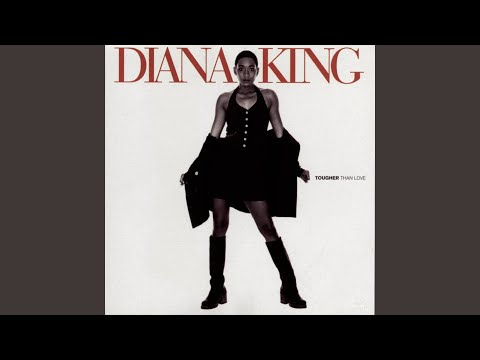
→ More from the 1990s File
View all 1990s hits →
Keep digging