The 1990s File Feature
Sleeping With The Lights On
Sleeping With The Lights On — Curtis Stigers June 1992 was the month that marked the middle of what would prove to be a brief but genuinely productive period…
01 The Story
Sleeping With The Lights On — Curtis Stigers
June 1992 was the month that marked the middle of what would prove to be a brief but genuinely productive period for Curtis Stigers on the pop chart. The Idaho-born singer and saxophonist had arrived on the commercial scene the previous year with a self-titled debut album that demonstrated an unusual combination of jazz-informed vocal phrasing and adult-contemporary pop songwriting, giving him a specific identity in a market that was not overrun with performers who could claim both. When Sleeping With the Lights On appeared on the Hot 100 on June 20, 1992, spending one week at number 96, it was a brief commercial moment in the context of a career that had already produced more significant chart activity earlier in the year.
Curtis Stigers's Debut Period
Curtis Stigers had made his commercial breakthrough with his debut album in 1991, which had generated the single "I Wonder Why" and given him genuine commercial traction on both adult contemporary and pop radio. His voice had a quality that was unusual in the early 1990s pop landscape: shaped by jazz vocal traditions and saxophone playing, it brought a flexibility and a blues-inflected expressiveness that most straight pop performers did not have. This vocal distinctiveness gave Stigers a commercial identity that was harder to replicate than the smoother, more conventionally produced adult pop that dominated his format peers, and it was the primary commercial asset behind his initial chart success.
The Jazz-Pop Fusion
The early 1990s had produced a modest wave of jazz-influenced pop performers who were finding real commercial traction in the adult contemporary market, and Stigers was among the more successful of these. His saxophone playing gave his live performances an additional dimension beyond the vocal, and the production of his debut recordings balanced the jazz-inflected quality of his voice with the accessible melodic and harmonic content that adult contemporary radio required. The specific space he occupied, between jazz performance and commercial pop accessibility, was narrow but real, and it gave his most successful recordings a specific character that separated them from the surrounding field of adult contemporary product.
The Chart Appearance
Sleeping With the Lights On debuted and peaked at number 96 on June 20, 1992, spending one week on the Hot 100. That single week represents the minimum threshold for chart inclusion, a concentrated burst of commercial activity that generated sufficient sales and airplay to register in Billboard's tracking but did not sustain enough momentum for a second week of chart presence. For an artist who had already demonstrated stronger commercial performance with earlier releases from the same debut album, the one-week showing was a modest late entry in the record's commercial lifecycle.
Adult Contemporary Radio in 1992
The adult contemporary radio format in June 1992 was serving a specific audience with specific expectations: melodic accessibility, emotional directness, and production polish that gave the listening experience a quality of comfortable engagement rather than challenge. Stigers's jazz-inflected approach fit within this format while adding a dimension of sophistication that the most generic product in the format lacked. His radio presence in 1992 demonstrated that the adult contemporary audience was willing to accommodate jazz influence as long as it did not come at the expense of the melodic and emotional clarity the format required.
Idaho to the Pop Charts
Curtis Stigers came from Boise, Idaho, a geographic origin that placed him outside the commercial music industry's conventional metropolitan centers and that gave his career a specific kind of outsider's perspective that inflected his approach to the New York-based jazz traditions he absorbed. The combination of geographic distance from the commercial mainstream and genuine absorption of jazz vocal technique produced an artist whose specific identity was not easily categorized but was immediately recognizable. That recognizability was a commercial asset in a format where distinctiveness was valued, and it supported the chart activity that his debut album generated across 1991 and 1992.
A Week in the Life of a Commercial Record
One week at number 96 is the commercial record's most compressed possible form: present, genuine, confirmed by the chart methodology, and then gone. The single week documents real activity by real listeners and radio programmers who found the record worth playing and buying in sufficient numbers to meet the Hot 100 threshold. For a record released as a late single from a commercially active debut album, the one-week appearance was a natural endpoint of a commercial lifecycle that had begun considerably more vigorously with the album's earlier releases and was finding its natural ceiling in the summer of 1992.
Find the record and let the saxophone take you somewhere the standard adult contemporary playlist does not reach.
"Sleeping With The Lights On" — Curtis Stigers's singular moment on the 1990s charts.
02 Song Meaning
Fear and the Nightlight: What Sleeping With the Lights On Means
The image in the title is immediately legible to anyone who has experienced the particular kind of anxiety or grief that makes the dark intolerable. Sleeping with the lights on is not a childhood behavior; it is a behavior that returns to adults in their most vulnerable moments, when the ordinary protection of nighttime darkness feels like exposure rather than comfort. The lights as a ward against what the darkness might allow to come forward into consciousness: this is the emotional territory the title occupies.
Vulnerability and Its Admission
Admitting that you need the lights on to sleep is an admission of vulnerability that most adults resist in ordinary social circumstances. It is an acknowledgment that something has happened or is happening that has broken the normal capacity for nighttime ease. A song that builds itself on this admission is reaching for emotional honesty about a state that convention tends to require concealment, which is part of what gives the image its resonance: the listener recognizes the state and appreciates its honest naming.
The Jazz Voice and the Night
Jazz as a tradition has always had a specific relationship with the night, with the dark hours, with the emotional states that the nighttime reveals and the daytime suppresses. Curtis Stigers's jazz-inflected vocal approach was particularly suited to material that engaged with nighttime emotional territory, because the jazz vocal tradition had developed its expressiveness partly in response to exactly these kinds of feeling. A jazz-shaped voice delivering a lyric about sleeplessness with the lights on brought to the material an expressive vocabulary that straight pop production could not have accessed in the same way.
Light as Protection and Admission
The specific choice of lights as the protective element carries its own implications. Light reveals rather than conceals; it is the condition under which things are seen clearly rather than hidden. Sleeping with the lights on means choosing visibility over comfort, choosing the state in which nothing can hide over the state of relaxed darkness. Applied to emotional experience, this suggests a person who needs to be able to see clearly, to have no hidden corners, no places where grief or fear can lurk unseen. The lights are not just illumination but control over the terms of one's own vulnerability.
The Adult Contemporary Register of Honesty
Adult contemporary music in the early 1990s had developed a specific vocabulary for emotional honesty that was accessible without being raw, that acknowledged difficulty without fully inhabiting it. The format served an audience that wanted emotional engagement with their music but within the containing structure of accessible melody and professional production. A song about sleeping with the lights on fit this emotional register precisely: specific enough to be meaningful, general enough to accommodate multiple listeners' specific experiences, and delivered with the craft that the format required.
What the Image Holds
The lasting quality of the image in the title is its specificity combined with its universality. Most people have had the experience of needing more light than darkness provides, even if the specific circumstances that produced that need vary widely from person to person. The convergence of specific image and universal experience is one of the qualities that distinguishes genuinely resonant song titles from merely clever ones, and the one-week Hot 100 appearance of the record, however brief, confirms that the image found the audience it was reaching for.
→ More from Curtis Stigers
View all Curtis Stigers hits →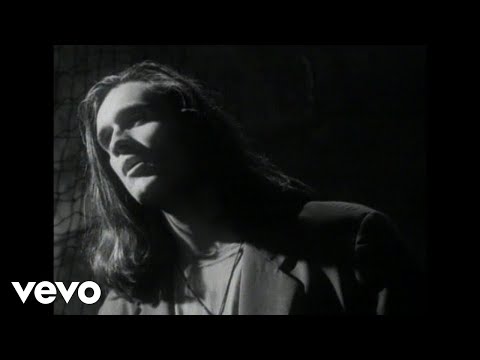

→ More from the 1990s File
View all 1990s hits →


Keep digging