The 1990s File Feature
Life Ain't Easy
"Life Ain't Easy" — Cleopatra Three Sisters and a Transatlantic Moment The late 1990s were an extraordinary time to be a young British pop act with ambitions…
01 The Story
"Life Ain't Easy" — Cleopatra
Three Sisters and a Transatlantic Moment
The late 1990s were an extraordinary time to be a young British pop act with ambitions on the American market. The Spice Girls had demonstrated that British girl groups could achieve transatlantic crossover on a scale not seen since the 1960s, and record labels on both sides of the Atlantic were alert to similar opportunities. Into this energized commercial landscape arrived Cleopatra: three sisters from Birmingham, England, with a sound that mixed contemporary pop production with harmonies rooted in gospel and R&B traditions. Their timing, their look, and their sound were all calibrated for the moment, and "Life Ain't Easy" was their American introduction.
The single debuted on the Billboard Hot 100 on October 31, 1998, entering at number 89 before climbing to its peak position of number 81 on November 7, 1998, where it held for several weeks in a five-week chart run. The Halloween debut date was coincidental but memorable, and the song's presence in the pre-Thanksgiving chart period placed it in one of the year's most competitive commercial windows.
The Cleopatra Sound
Cleo, Yonah, and Zainam Higgins had grown up singing in church, and their vocal blend carried the gospel-derived quality of groups whose harmonic instincts had been shaped by congregational singing rather than pop academy training. Their debut album, Comin' Atcha!, was released in the United Kingdom in 1997 and achieved considerable success there before the group's management secured American distribution through Maverick Records, Madonna's label imprint.
The Maverick connection was commercially significant, providing the group with both the distribution infrastructure and the implicit cultural endorsement of an association with one of the era's most bankable names. Their British success, which had included a number one hit with their debut single in the UK, gave them a credibility they could import to the American market rather than having to build from scratch. That combination of proven track record and fresh-market positioning was a strong commercial starting point.
Pop Production in the Peak TRL Era
The pop production aesthetic of 1998 was unmistakable: synthesized textures, programmed drums with occasional live percussion accents, vocal stacking in the chorus sections, and a general brightness and forward presence that made records sound large on both radio and the emerging format of music video television. TRL on MTV had become the primary launch pad for pop singles aimed at teenage audiences, and the accompanying visual element meant that acts needed to be as compelling on screen as they were on radio.
Cleopatra's visual identity leaned into a vibrant, street-influenced aesthetic that was consistent with the late 1990s pop landscape while carrying distinctly British inflections. The three sisters' stage presence gave them a group dynamic that distinguished them from the solo-with-backup model that some manufactured acts of the period relied on: each member was clearly a performer in her own right, and the live chemistry between them was apparent even through the controlled environment of music video production.
A Competitive Market and a Modest Foothold
"Life Ain't Easy" placed Cleopatra in a late-1990s American pop market that was simultaneously the most lucrative it had ever been and the most crowded with competing acts. Destiny's Child were building toward their commercial peak, TLC were at the height of their popularity following CrazySexyCool, and the teen pop explosion that would produce Britney Spears and *NSYNC was just beginning to make itself felt. For a British trio without major American label backing, carving out a Hot 100 presence in this environment was a meaningful achievement.
The single's five weeks on the chart demonstrated real audience engagement rather than a brief curiosity spike, and the positioning through Maverick gave the group access to promotional channels that smaller independent arrangements would not have provided. The American campaign was modest in ambition: establishing a beachhead, demonstrating that the group had a domestic market, and laying groundwork for subsequent releases.
Birmingham's Pop Export
Birmingham had been sending musical exports to the world since at least the 1970s, with acts including Duran Duran, Ozzy Osbourne, and Black Sabbath establishing the city's credibility as a source of commercially viable popular music. Cleopatra added a different dimension to that legacy, representing the multicultural, gospel-influenced R&B scene that had developed in the city's diverse communities through the 1980s and 1990s. Their success in both the UK and US markets demonstrated that British pop's global reach was broad enough to accommodate a range of sounds and identities well beyond the guitar rock the city was best known for producing.
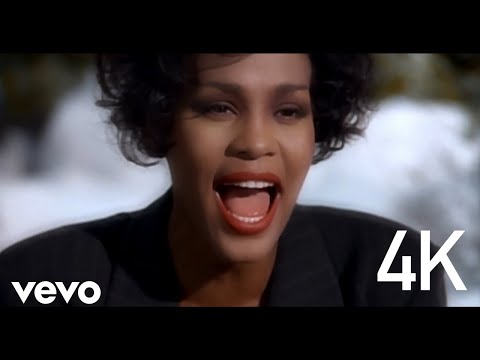
Press play for a vivid snapshot of late-1990s pop at its most optimistic and colorful.
"Life Ain't Easy" — Cleopatra's singular moment on the 1990s charts.
02 Song Meaning
"Life Ain't Easy" — Themes and Legacy
Resilience With a Groove
Songs that take on the title of "life ain't easy" are making a specific promise to the listener: they are going to acknowledge difficulty honestly, without the false reassurance that pretends obstacles don't exist. What distinguishes the better examples of this theme from mere complaint is what follows the acknowledgment. Cleopatra's approach was resolutely forward-facing: the hardship is real, but the response to it is energy, style, and an unwillingness to be diminished by circumstances. That posture carried particular resonance in the late 1990s, a period when pop music was increasingly valued for its capacity to make listeners feel capable and vital rather than merely entertained.
The gospel tradition behind the group's vocal approach was not incidental to this message. Gospel music has always taken the reality of suffering seriously while insisting on the possibility of transcendence, and Cleopatra's church background gave their delivery of resilience material a depth of conviction that purely secular pop often struggled to achieve. You believed them when they said life was hard, and you believed them when they said they intended to keep going anyway.
British Pop and American Ambition
The late 1990s saw a renewed British invasion of American pop markets, led by the Spice Girls but extending across a range of acts who understood that American commercial success was both available and worth pursuing. The specific cultural moment was one in which girl power, as a concept and a marketing frame, had real commercial traction, and acts that could position themselves within or adjacent to that frame had a readymade audience and a coherent promotional narrative.
Cleopatra's positioning was somewhat distinct from the Spice Girls model, drawing more heavily on R&B and gospel influences than on the rock and pop hybrid that had made the Spice Girls' sound immediately transatlantic. Their specific appeal to Black British communities and to audiences with gospel and church backgrounds gave them a more defined niche than the deliberately all-things-to-all-people approach of some pop acts of the period, and that specificity was both their strength and a limiting factor in their crossover potential.
The Theme of Perseverance in Pop
Perseverance anthems have been a consistent commercial category in popular music across generations. From the gospel tradition through soul and into contemporary R&B and pop, songs that validate the listener's experience of difficulty while offering a framework of resilience have found audiences reliably. The specific framing changes with each era: the language, the musical texture, and the cultural references shift, but the underlying emotional exchange remains constant.
What "Life Ain't Easy" offered in its particular moment was a framing that felt current without being generic. The production situated the resilience message within the sonic world that late-1990s pop audiences recognized and responded to, making the emotional content accessible rather than distancing. The result was a track that could function both as a personal anthem for individual listeners navigating difficulty and as a communal celebration for groups of young people who recognized their own experiences in the song's narrative.
What Remains
Cleopatra's career extended beyond their Hot 100 moment, with continued activity in the UK market and periodic reactivations that spoke to a core audience that remained attached to the group. Their place in the late-1990s pop timeline is secure as an example of the Black British pop tradition at a moment of genuine commercial vitality. "Life Ain't Easy" stands as their most significant American statement, a brief but real foothold in the world's most competitive pop market, achieved through the force of genuine vocal talent and a message delivered with conviction.
The song's longevity is modest compared to some of its era's bigger hits, but it documents a moment of genuine ambition and genuine ability, three sisters from Birmingham carrying their church-trained voices and their determination to an audience that was, for a moment, listening.
→ More from the 1990s File
View all 1990s hits →



Keep digging