The 1990s File Feature
Booti Call
Booti Call by BLACKstreet Step into 1994, when R B was thriving with smooth, hip-hop-influenced production and BLACKstreet was emerging as one of the genre's…
01 The Story
"Booti Call" by BLACKstreet
Step into 1994, when R&B was thriving with smooth, hip-hop-influenced production and BLACKstreet was emerging as one of the genre's most promising groups. With "Booti Call," the group delivered a smooth, groove-driven R&B track full of the polished production and soulful harmonies that would soon make them stars. The song captured the smooth, contemporary R&B sound of the era, an early hit that helped establish BLACKstreet as a rising force in nineties R&B.
A Rising R&B Group
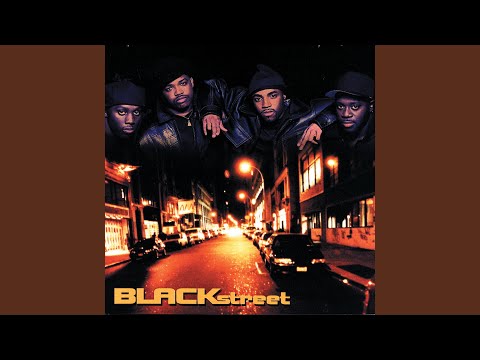
BLACKstreet emerged in the early 1990s as a talented R&B group, founded by the acclaimed producer and singer Teddy Riley, a pioneer of the new-jack-swing sound. Riley was a key architect of the new-jack-swing movement that blended R&B with hip-hop, and his production gave BLACKstreet a polished, contemporary edge. "Booti Call" came during the group's rise, before their massive later success, an early hit that showcased the smooth harmonies and hip-hop-influenced production that would define their sound and establish them as a major R&B act.
A Smooth, Groove-Driven Track
The recording is built on the smooth, hip-hop-influenced production that defined early-nineties R&B, full of polished grooves and the group's soulful harmonies. The mood is smooth and confident, with the playful theme reflected in its catchy, groove-driven appeal. Teddy Riley's production gave the track its polished, contemporary edge, blending R&B smoothness with hip-hop sensibility. There is a sleek, soulful quality throughout, the sound of a talented group delivering polished, groove-driven R&B. It captures the smooth, contemporary sound that ruled nineties R&B and helped launch BLACKstreet.
A Long Run on the Hot 100
The single proved durable on the chart. It debuted on the Billboard Hot 100 on June 25, 1994, at number 94, then climbed steadily through 78, then 74, then 52 across the following weeks. It eventually peaked at number 34, and across its life logged an impressive twenty weeks on the Hot 100. That long, steady run reflected the song's broad appeal and helped establish BLACKstreet as a rising force in R&B, building momentum toward the even greater success that would follow.
An Early Success
"Booti Call" belongs to the early chapter of one of the most successful R&B groups of the nineties, a smooth, groove-driven track that helped establish their sound. While it preceded their biggest hits, the song captures the polished production and soulful harmonies that would make BLACKstreet stars. It endures as an example of their early smooth R&B style, a reminder of the talent and contemporary sensibility that powered their rise. The song reflects the smooth, hip-hop-influenced R&B that defined the era and launched the group's successful career.
The New-Jack-Swing Era
BLACKstreet emerged from one of the most influential movements in R&B history, the new-jack-swing sound pioneered by producer Teddy Riley, who founded the group. New-jack-swing blended the smoothness of R&B with the rhythmic energy of hip-hop, creating a polished, contemporary sound that dominated the genre in the late eighties and early nineties. Riley was a key architect of that movement, and his production gave BLACKstreet a sophisticated, modern edge from the start. A track like "Booti Call" reflects that sensibility, the smooth harmonies and hip-hop-influenced production that defined the era. There is real significance in the new-jack-swing movement, the way it bridged R&B and hip-hop and shaped the sound of the genre for years to come. BLACKstreet became one of the most successful groups to emerge from that scene, eventually scoring some of the decade's biggest R&B hits. This early success helped establish them, building the foundation for their later triumphs. The smooth, groove-driven sound captured here reflects the polished, contemporary R&B that Riley and his collaborators perfected, a style that combined soulful harmonies with hip-hop sensibility. A smooth, catchy track from a rising group captures the essence of that moment, the sophisticated nineties R&B that launched BLACKstreet toward stardom and helped define the sound of the genre.
Press play and let BLACKstreet's smooth harmonies and polished groove drop you into the sound of nineties R&B.
"Booti Call" — BLACKstreet's singular moment on the 1990s charts.
02 Song Meaning
The Meaning Behind "Booti Call"
At its heart, this is a song about attraction and the playful pursuit of romance. The title, using the slang of the era, points to a flirtatious, late-night romantic interest. BLACKstreet turn that theme into a smooth, groove-driven R&B track, capturing the playful, confident side of attraction. It is a song about desire and flirtation, delivered with the smooth, polished sensibility that defined the group's contemporary R&B sound.
The Playful Side of Attraction
The central theme is flirtation and desire. The song explores the playful, confident pursuit of romance, the flirtatious attraction between two people. That focus on the lighter, more playful side of desire captures a relatable aspect of romance, the fun and confidence of mutual attraction. The song dwells in that flirtatious energy, expressing desire with a smooth, playful confidence rather than heavy emotion, a celebration of the exciting, flirtatious side of romance.
Smoothness and Confidence
Emotionally, the song trades in smooth, confident playfulness. The feeling is cool and self-assured, matching the polished groove with a flirtatious, confident energy. There is no heavy weight here, only the smooth pleasure of attraction and the confidence of mutual desire. That smooth, confident emotional tone is the heart of the song, conveying flirtation with polished, soulful appeal. It is romance rendered as smooth, groove-driven R&B, playful and confident in its expression of desire.
Contemporary R&B in the Nineties
The cultural context suits the song. The early 1990s saw R&B blending with hip-hop into the smooth, polished new-jack-swing sound, with groups exploring romance and attraction in contemporary, groove-driven tracks. There was a strong audience for smooth R&B that combined soulful harmonies with hip-hop sensibility. A flirtatious, groove-driven track about attraction fit perfectly into that landscape, reflecting the era's love of smooth, confident, contemporary R&B about romance and desire.
Why It Resonated
The song connected because the playful attraction it explores is widely relatable. Everyone understands the fun, confident energy of mutual desire, the flirtatious side of romance. Hearing that playful attraction expressed with such smooth, polished appeal was both relatable and enjoyable. Delivered with BLACKstreet's soulful harmonies and contemporary groove, that celebration of flirtation felt confident and appealing. The combination of relatable, playful attraction and smooth, groove-driven delivery is exactly why the song connected with R&B audiences during the group's rise. There is a particular appeal to R&B that captures the fun, confident side of romance, the flirtatious energy of mutual attraction. BLACKstreet, with their soulful harmonies and Teddy Riley's polished production, delivered that playful confidence with smooth, contemporary style. By expressing the lighter side of desire through such a polished groove, the group created a track that felt both confident and enjoyable, an early hit that helped launch them toward the major success of their later career.
→ More from BLACKstreet
View all BLACKstreet hits →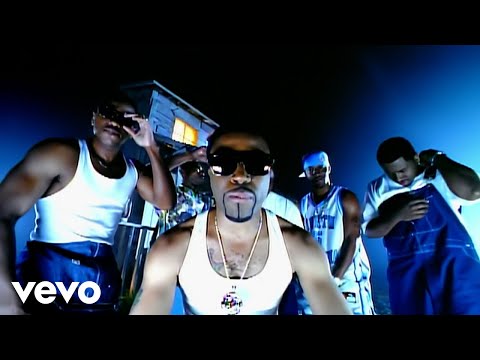

→ More from the 1990s File
View all 1990s hits →

Keep digging