The 1990s File Feature
To Make You Feel My Love
To Make You Feel My Love by Billy Joel There is a special weight to a great song when it passes between great artists, and in 1997 Billy Joel took a brand-ne…
01 The Story
"To Make You Feel My Love" by Billy Joel
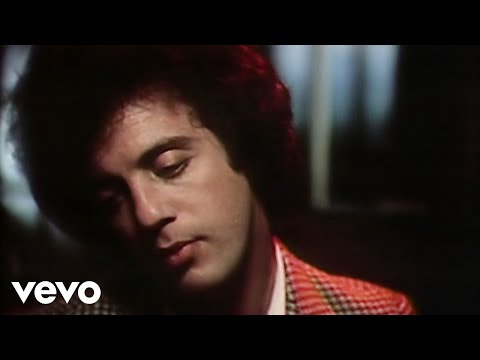
There is a special weight to a great song when it passes between great artists, and in 1997 Billy Joel took a brand-new Bob Dylan composition and made it his own. One of the most accomplished songwriters of his generation chose to interpret the work of another, delivering a tender, understated ballad of devotion. "To Make You Feel My Love" found Joel in a reflective mode, lending his warm voice to a song destined to become a modern standard.
A Master Interprets a Master
By 1997, Billy Joel had long since secured his place as one of the great American songwriters and performers, the man behind a vast catalog of beloved hits. The song he chose to record here was written by Bob Dylan, who included his own version on his acclaimed album Time Out of Mind that same year. Billy Joel's recording was actually released before Dylan's own version, making him one of the first to introduce the song to the public. For an artist of Joel's stature to interpret a Dylan composition was a meeting of two legendary talents.
A Ballad of Pure Devotion
Musically, Joel's version is a gentle, piano-led ballad that strips the song down to its emotional essence. There is no flash, no grand production, only the warmth of his voice and the simple beauty of the melody. The arrangement lets the words and the sentiment carry the weight, trusting in the strength of the songwriting. Joel's interpretation is intimate and heartfelt, a tender promise of unwavering love. It is the sound of a seasoned artist who knows that sometimes the most powerful approach is the most restrained.
Its Chart Run
The single entered the Billboard Hot 100 on August 16, 1997, at number 54, and it reached its high point the following week. The song peaked at number 50 on August 23, 1997, and held that position for several weeks before slipping, ultimately spending 9 weeks on the chart. While the chart numbers were modest, the song became a lasting part of Joel's repertoire and helped launch one of the most-covered ballads of the following decades.
A Late-Career Reflection
By the time he recorded this song, Billy Joel was entering a reflective phase of his career, one in which he would soon step back from writing and releasing pop albums altogether. Choosing to interpret a Dylan composition rather than write his own carried a certain symbolism, the gesture of an established artist paying homage and finding fresh inspiration in another's words. There is humility in that choice, a willingness to serve a great song rather than insist on his own. The recording finds Joel in a contemplative, generous mood, more interested in honoring a beautiful piece of writing than in showcasing himself. That quiet confidence, the security to step aside and let the song speak, is the mark of an artist with nothing left to prove.
Two Songwriting Giants
The pairing of these two names gives the recording an added resonance. Bob Dylan and Billy Joel represent different but equally towering traditions in American songwriting, the one a poet of restless invention, the other a craftsman of melody and narrative. To hear Joel sing Dylan's words is to witness a conversation between two of the form's masters. The song itself, plain and direct, sits a little outside Dylan's usual style, which may be part of why it translated so naturally to Joel's warm, melodic sensibility. The meeting of these two sensibilities produced something gentle and enduring.
A Standard Is Born
In the broader story of the song, Joel's version was an important early chapter. The composition would go on to be recorded by countless artists and become a genuine modern standard, beloved at weddings and treasured by listeners around the world. Joel's role in introducing it gives his recording a special place, a moment when one master songwriter helped carry another's creation out into the world. It remains a graceful highlight of his later career.
Press play and let that tender piano carry the promise, and you will hear one legend honoring the work of another.
"To Make You Feel My Love" — Billy Joel's singular moment on the 1990s charts.
02 Song Meaning
The Meaning of "To Make You Feel My Love" by Billy Joel
"To Make You Feel My Love" is a song about unconditional, selfless devotion, a heartfelt vow to do anything and everything to prove the depth of one's love. It is a promise of complete commitment, offered freely and without expectation of return.
Love Without Conditions
The central theme is the willingness to give everything for the person you love. The lyrics describe a devotion so total that the singer would go to any length, endure any hardship, to make his beloved feel how deeply he cares. The song expresses love as pure, selfless dedication, a commitment that asks for nothing in return. That generosity of spirit is the heart of the song.
Steadfastness Through Hard Times
Beneath the devotion runs a theme of constancy. The singer promises to be there through every storm and difficulty, to remain a steady presence no matter what comes. The song honors the kind of love that endures, the steadfastness of someone who will not waver. It is a vow of reliability as much as passion, the promise of a love you can lean on.
The Power of Simplicity
Part of the song's enduring appeal lies in its plainness. It makes no elaborate claims and reaches for no clever metaphors; it simply states its devotion with quiet sincerity. That directness gives the song its emotional force, the sense of a love too genuine to need decoration. Joel's understated interpretation underscores that honesty.
The Beauty of a Plain Promise
What makes the song so affecting is that its devotion is offered without any guarantee of return. The singer does not ask whether his love is reciprocated; he simply pledges himself completely, vowing to do whatever it takes to make his feelings known. There is a quiet courage in that unconditional offering, the willingness to love fully even at the risk of not being loved back. The song captures the purest form of devotion, the kind that gives without keeping score. That selflessness, expressed in such plain and unadorned language, is what lifts the song above ordinary love songs and gives it its timeless, almost sacred quality.
Why It Resonated
The song connected because its promise is one almost everyone longs to hear and to make. It captures the deepest hope of love, to be cherished completely. That universal sentiment, delivered with Joel's warm sincerity, is exactly why the composition went on to become a beloved standard treasured across generations, a song people turn to whenever they need to put the depth of their devotion into words, finding in its plainspoken promise exactly the language their own hearts have been searching for.
→ More from Billy Joel
View all Billy Joel hits →


→ More from the 1990s File
View all 1990s hits →

Keep digging