The 1990s File Feature
Tide Is High
The Story Behind Angelina's Tide Is High A Late-Nineties Ripple in a Reggae Classic's Wake Picture the late summer of 1997: teen pop is stirring back to life…
01 The Story
The Story Behind Angelina's "Tide Is High"
A Late-Nineties Ripple in a Reggae Classic's Wake
Picture the late summer of 1997: teen pop is stirring back to life, girl groups and solo ingénues are jockeying for radio space, and somewhere in that churn, a young artist billed simply as Angelina steps up to reinterpret a song that already had two lives behind it. The tune had started decades earlier as a Jamaican rocksteady number, then became a transatlantic smash for Blondie in 1980, and by the time Angelina got her hands on it, it was less a song than a piece of pop folklore, a melody so familiar that any new version had to fight for its own identity inside a crowded field of remakes and revivals competing for the same shrinking pool of radio playlists.
Finding a Voice Inside a Familiar Melody
Covering a song this beloved is a high-wire act. Get too reverent and you vanish into the shadow of the original; stray too far and you lose the very hook that made people want to hear it again in the first place. Angelina's rendition leaned into the bright, synthetic sheen of late-nineties pop production, trading the loose, sun-bleached ska shuffle of the Blondie version for something tighter and more radio-ready, built for a moment when Eurodance and teen-pop textures were reshaping how old songs got new life on Top 40 stations. It is the sound of a singer trying to plant a flag on borrowed land, using polish and energy where the original traded on cool detachment and downtown swagger.
A Brief but Real Brush With the Chart
The song's commercial life was short but not nothing. It entered the Billboard chart on August 16, 1997, opening at number 89, exactly the position it would hold the following week before drifting down toward the chart's outer edge. Across its run, the single spent four weeks on the chart, never climbing higher than that peak position of number 89, a number that speaks to a song finding a foothold rather than triggering a stampede of airplay requests. In an era dominated by juggernaut pop acts and boy bands eating up chart real estate, cracking the Hot 100 at all, even briefly, represented a genuine achievement for a lesser-known name working with recycled material and limited label muscle behind the push.
The Long Shadow of the Original
Every cover of this song lives in conversation with what came before it, and Angelina's version is no exception to that rule. Listeners in 1997 could not help but measure it against the version they already knew by heart, the one that had soundtracked block parties and radio countdowns for nearly two decades by that point in pop history. That comparison is both the song's burden and its appeal: it invites nostalgia even as it tries to sound thoroughly of its own moment, wrapped in the drum programming and layered vocal production techniques that defined mid-to-late-nineties pop radio across the dial.
A Small Footnote With Its Own Character
Today, the song survives mostly as a curiosity for collectors of chart trivia and fans who track how a single melody keeps resurfacing across generations and genres, decade after decade. It never became a career-defining hit, and Angelina's broader catalog remains largely obscure by mainstream standards, but that is precisely what makes rediscovering the track interesting for anyone digging through the era's forgotten corners. It is a snapshot of a specific pop moment, the sound of the late nineties trying on a reggae-pop classic for size and making it fit, however briefly, into its own image.
Worth a Fresh Listen Today
Give it a spin and listen for how a familiar melody gets reshaped by a different decade's studio instincts, the same bones dressed in entirely new production clothing. There is something almost archaeological about hearing a song this well-worn filtered through nineties pop sensibility, a reminder that hit melodies rarely stay confined to a single era or a single artist's ownership. Press play and hear a piece of reggae-pop history get one more spin around the block.
"Tide Is High" — Angelina's singular moment on the 1990s charts.
02 Song Meaning
What "Tide Is High" Is Really About
Devotion That Refuses to Waver
At its core, this song is a declaration of romantic persistence. The narrator describes weathering obstacles, unpredictable currents, difficult odds, all in pursuit of a person they refuse to let go of no matter what stands in the way. It is a metaphor built entirely around water and tide, images of pull and resistance, of forces bigger than any one person yet somehow still surmountable through sheer determination and stubborn will. That central image, the tide rising against you while you keep moving forward anyway, gives the lyric its emotional backbone and its endless appeal to cover artists across generations of pop music, each one finding fresh urgency in the same simple promise.
A Metaphor Rooted in Island Rhythm
The song's imagery draws naturally from its rocksteady origins, a Jamaican style where tides, currents, and the rhythms of coastal life were common lyrical touchstones long before the song crossed into mainstream pop. By the time the song reached pop radio decades later, that maritime metaphor had become somewhat abstracted from its original cultural context, transformed into a more universal shorthand for romantic perseverance that any listener, anywhere, could understand instantly regardless of geography. Angelina's version keeps that metaphor intact even as the surrounding production modernizes everything else around it, which is part of why the lyric still lands the way it does on late-nineties radio.
Confidence as the Emotional Engine
What separates this song from a simple love ballad is its tone of unshakable self-assurance running through every line of the verse. The narrator is not begging or pleading; she is stating, plainly and without apology, that no obstacle will change the outcome she has already decided upon in her own mind. That confidence gives the song a buoyant, almost defiant emotional swagger, which explains why it has translated so well across different genres and decades, from rocksteady to new wave to late-nineties pop radio. Each era's version leans into that same swagger, dressed in whatever production style happened to be fashionable at the time it was recorded for release.
Why a Late-Nineties Audience Still Responded
By 1997, pop audiences were saturated with earnest ballads about heartbreak and longing, which made a song built around certainty and staying power feel like a genuine change of pace on crowded playlists nationwide. Even in its modest chart run, the song offered listeners a different emotional register entirely: not sorrow, but resolve and forward motion through hardship. That contrast likely helped it find whatever niche audience it did reach, appealing to listeners who wanted romantic optimism wrapped in a beat they could dance to rather than another slow-burning lament about love gone wrong.
A Song Built to Travel Across Time
Part of what keeps a lyric like this alive across so many recordings is how little it depends on any single era's slang or reference points. Its central image, a tide that keeps rising yet never quite sweeps the narrator away, needs no updating to remain legible to a new generation of listeners discovering it for the first time. That timelessness is a rare quality in pop songwriting, and it is precisely why producers kept returning to this particular melody decade after decade rather than letting it fade into obscurity.
A Message That Outlasts Any Single Version
Ultimately, the endurance of this lyric across so many recordings says something important about its universal pull on listeners of every generation and background. Love as a force that survives rising tides is a metaphor simple enough to translate across languages, genres, and eras without losing its essential shape or power over an audience. Angelina's rendition is one more entry in that long lineage, proof that a well-built metaphor can keep finding new voices long after its first recording fades from memory. Listen closely and the words still carry that same stubborn optimism, regardless of the decade dressing it happens to be wearing on any given day.
→ More from Angelina
View all Angelina hits →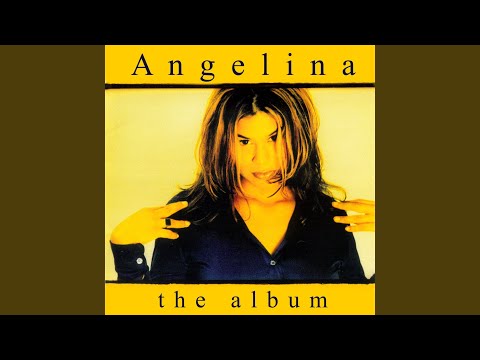

→ More from the 1990s File
View all 1990s hits →
Keep digging