The 1980s File Feature
Cheap Sunglasses
Cheap Sunglasses by ZZ Top Picture a Texas highway shimmering in the July heat, the asphalt rippling and a beat-up car rolling past with the windows down and…
01 The Story
"Cheap Sunglasses" by ZZ Top
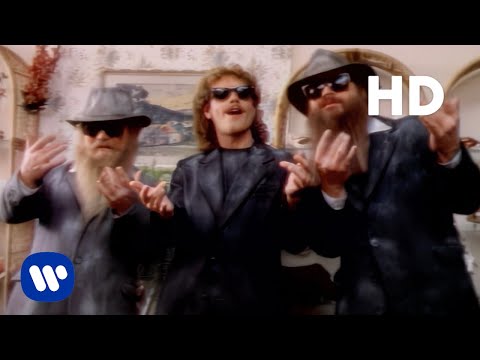
Picture a Texas highway shimmering in the July heat, the asphalt rippling and a beat-up car rolling past with the windows down and the radio cranked. That is the natural habitat of "Cheap Sunglasses," a swaggering blues-rock strut from the bearded Lone Star trio who made roadhouse cool into an art form. By 1980, ZZ Top had spent the better part of a decade building a reputation as one of America's hardest-touring, most authentically gritty bands, and this single distilled everything that made them irresistible: greasy guitar, deep groove, and a wink behind the shades.
Three Texans and a Whole Lot of Boogie
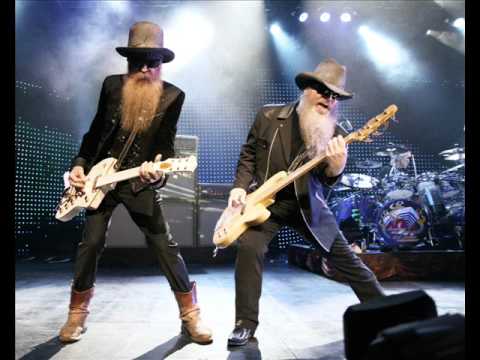
ZZ Top had formed in Houston at the start of the 1970s, and the lineup of Billy Gibbons, Dusty Hill, and Frank Beard became one of rock's most stable and recognizable units. That same trio would stay together for decades, a rarity in a business built on breakups. Through the 1970s they earned their stripes the hard way, on the road, playing a sweaty fusion of blues, boogie, and hard rock that owed as much to Lightnin' Hopkins as to the British invasion. Billy Gibbons emerged as one of the most respected guitarists of his generation, his tone instantly identifiable. By the time "Cheap Sunglasses" appeared, the band had cult devotion and a catalog of road-tested classics behind them.
A Groove Built to Strut
The song lives and dies on its groove, a slinky, mid-tempo blues-rock shuffle that gives Gibbons all the room he needs to lay down dirty, expressive guitar lines. The arrangement is lean and muscular, the rhythm section locked in tight while the lead playing curls and bites around the edges. There's a playful confidence to the whole thing, the sound of a band that knows exactly how good it is and feels no need to rush. The track comes from the album Degüello, released at the very end of 1979, which marked something of a creative resurgence for the group. Its tone is warm, gritty, and unmistakably Texan.
A Brief Brush With the Hot 100
As a single, "Cheap Sunglasses" was a modest pop chart performer, more a fan favorite than a crossover smash. It debuted on the Billboard Hot 100 on July 12, 1980 at number 89, which also stood as its peak position. The song spent just two weeks on the Hot 100, a short stay that belies its long life as a concert staple and album cut. ZZ Top were always more of an album and live band than a singles act in this era, and the chart numbers tell only a sliver of the story. On stage and on classic-rock radio, the song became far bigger than its brief Hot 100 cameo would suggest.
A Cult Classic Before the Boom
This single arrived just before the band's commercial explosion. A few years later, ZZ Top would embrace music videos, drum machines, and a sleek new image to become one of the biggest acts of the mid-1980s. Their 1983 album would sell in the millions and turn them into MTV superstars, but "Cheap Sunglasses" belongs to the rawer, bluesier chapter that came before. For longtime fans, that earlier era holds a special place, capturing the trio at their grittiest and most organic. The song remains a beloved touchstone of that period.
Why It Still Rolls
Decades later, the track still sounds like pure attitude on wheels. The groove is timeless, the guitar tone perfect, the swagger undiminished. Press play, slip on your own pair of cheap sunglasses, and you'll understand why ZZ Top earned the title of that little ol' band from Texas. It is rock and roll with dust on its boots and a grin on its face.
"Cheap Sunglasses" — ZZ Top's singular moment on the 1980s charts.
02 Song Meaning
The Meaning Behind "Cheap Sunglasses"
On its surface, "Cheap Sunglasses" is a loose, good-humored celebration of looking cool on a budget. The lyric offers a wry bit of advice about finding a pair of inexpensive shades to hide behind, framing the simple act of putting on sunglasses as a small gesture of style and self-possession. Beneath the easygoing fun, though, runs a familiar ZZ Top theme: the pleasures of the road, of attitude, and of not taking yourself too seriously.
Style on a Shoestring
The central idea is that you don't need money to have cool. The song champions the notion that a cheap pair of sunglasses can confer the same swagger as anything expensive, that image is about attitude rather than price tags. The lyric turns a humble accessory into a symbol of confidence, an everyman's badge of self-assurance. It is a democratic vision of cool, and that inclusiveness is part of its charm.
The Mask and the Mystery
There is also a playful undercurrent about concealment and allure. Sunglasses hide the eyes, lend an air of mystery, and let the wearer observe without being read. The song winks at that sense of cool detachment, the slight remove that makes a person more intriguing. Gibbons delivers it all with a knowing humor, never letting the strut tip into self-importance.
The Spirit of the Road
Culturally, the track captures the blues-rock ethos that ZZ Top embodied: highways, honky-tonks, and a hard-won sense of freedom. The band built its identity on that rugged, good-timing Texas mythology, and this song is a perfect three-minute distillation of it. It speaks to a listener who values grit and authenticity over polish, who would rather be on the move than standing still.
Why It Resonated
The song endures because it is simply fun, and because its message is quietly empowering. Everyone can afford a pair of cheap sunglasses, and everyone can choose to carry themselves with a little swagger. That combination of irresistible groove and unpretentious attitude is exactly what made ZZ Top beloved. The song doesn't ask to be analyzed so much as enjoyed, and that ease is its genius. There is a wisdom buried in its simplicity, a reminder that the things that make life worth living rarely come with a high price tag. A good groove, a clear highway, a pair of shades against the sun: these are pleasures available to everyone. The song toasts that democratic kind of joy, and it does so without a shred of pretension. It remains a feel-good anthem for anyone who knows that cool is a state of mind, and that the best attitude in the world costs almost nothing at all. That message has only grown more appealing with time, a small rebellion against a culture forever urging us to spend our way toward confidence. The song insists the opposite, that style comes from within and a pair of dime-store shades will do just fine.
→ More from ZZ Top
View all ZZ Top hits →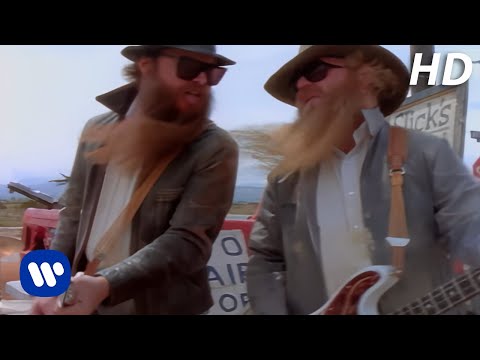

→ More from the 1980s File
View all 1980s hits →
Keep digging