The 1980s File Feature
Talkin' Bout A Revolution
The Quiet Power of Talkin' Bout A Revolution by Tracy Chapman In the fall of 1988, a powerful new voice was changing the conversation in popular music. Tracy…
01 The Story
The Quiet Power of "Talkin' Bout A Revolution" by Tracy Chapman
In the fall of 1988, a powerful new voice was changing the conversation in popular music. Tracy Chapman, a folk singer-songwriter of rare conviction, delivered "Talkin' Bout A Revolution," a quietly powerful song about social change and the hope of the dispossessed. Stark, sincere, and deeply resonant, it captured the conscience-driven spirit that made Chapman one of the most distinctive artists of her time.
A Voice of Conscience
Tracy Chapman emerged in 1988 as a singular talent, a folk artist whose spare, acoustic sound and socially conscious songwriting cut through the polished pop of the era with striking directness. Her self-titled debut album made her a sensation, celebrated for its honesty and its focus on social justice. "Talkin' Bout A Revolution" appeared on that landmark debut, and it found her addressing themes of poverty, inequality, and the hope for change with the quiet conviction that defined her work.
A Spare, Acoustic Sound
The track is built around Chapman's acoustic guitar and her warm, distinctive voice. Its production is spare and folk-rooted, stripping away excess to let the song's message and melody stand at the center. The lyric speaks of the poor and dispossessed beginning to rise up, of change stirring among those who have long been overlooked. That combination of a stark, acoustic sound and a powerful social message gave the song its quiet force, the simplicity of the arrangement amplifying the weight of the words.
A Brief Hot 100 Appearance
On the Billboard Hot 100, the single's run was short. "Talkin' Bout A Revolution" debuted at number 90 on October 1, 1988, then climbed to its peak of number 75 on October 8, 1988. The song spent just four weeks on the Hot 100, a brief showing that understated its much greater cultural significance and its lasting impact, as it became one of Chapman's most enduring and beloved songs despite its modest chart performance.
An Enduring Anthem
The song became one of Tracy Chapman's most cherished recordings, a quietly powerful anthem of social change that has resonated across generations. It demonstrated her gift for combining folk simplicity with profound social conscience. Its lasting appeal is evident in the roughly 23 million YouTube views it has accumulated. The track remains a stirring example of socially conscious folk music, a song whose message of hope and change has kept it relevant and meaningful for decades beyond its modest chart run.
The Power of Conviction
What gives the song its lasting power is the genuine conviction behind it. At a time when much of popular music was polished and commercial, Chapman offered something rare: sincere, socially conscious songwriting delivered with stark honesty and real moral weight. The song's message, that the poor and overlooked might finally rise and demand change, carried a quiet urgency that resonated deeply with listeners who shared its hopes. Chapman never preached or postured; instead she sang with a calm, steady conviction that made the message all the more powerful. The spare acoustic arrangement reinforced that authenticity, refusing the gloss of mainstream pop in favor of something honest and direct. For listeners hungry for music with substance and conscience, Chapman was a revelation, and this song embodied exactly the qualities that made her so beloved. That genuine moral conviction, delivered with quiet power, is a large part of why the song has remained such an enduring and meaningful anthem. Across the decades, listeners facing hardship and injustice have found in it a source of hope and solidarity, and that timeless capacity to inspire is what has secured its place as one of Chapman's most cherished and lasting works.
Put it on and feel the quiet power of its message. Press play and listen closely.
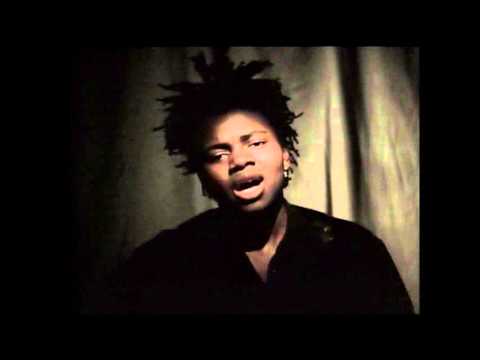
"Talkin' Bout A Revolution" — Tracy Chapman's singular moment on the 1980s charts.
02 Song Meaning
The Hopeful Call of "Talkin' Bout A Revolution"
Tracy Chapman's quietly powerful song is a hopeful call for social change. It speaks of the poor and dispossessed beginning to rise up, expressing the belief that those who have long been overlooked might finally claim their share and transform an unjust world.
The Theme of Rising Up
The song centers on the hope of change for the dispossessed. It envisions the poor and overlooked beginning to rise up and demand their rightful place, expressing faith that an unjust order might finally shift. That focus on social transformation gives the song its quiet urgency, capturing the hope that those at the bottom might one day claim the dignity and opportunity they have been denied.
Quiet Conviction
What gives the song its power is the calm sincerity of its delivery. Chapman expresses her message not through anger or preaching but through steady, genuine conviction, which makes it all the more affecting. That quiet certainty lends the song a moral weight that louder protest music often lacks, suggesting that change will come not through rage alone but through the steady determination of those who have waited too long.
Simplicity as Strength
The song's stark, acoustic arrangement is central to its meaning. The spare sound strips away distraction, letting the message and conviction stand at the forefront, reinforcing the song's honesty and directness. That simplicity gives the song its authenticity, refusing the gloss of commercial pop in favor of something that feels genuine and unadorned, the better to carry its weighty message.
A Reflection of Conscience
The song belongs to the tradition of socially conscious folk music. It reflects a commitment to using music as a vehicle for social awareness and hope, a tradition Chapman revived powerfully in 1988. At a time of polished commercial pop, her sincere, conscience-driven songwriting stood out, and the song stands as a clear example of folk music's enduring capacity to speak to matters of justice and change.
Hope Amid Hardship
At its core, the song is fundamentally hopeful. Even as it acknowledges hardship and injustice, it holds onto the belief that change is possible, that the overlooked might finally rise. That hope is what gives the song its lasting resonance, offering not despair but the promise of a better future. In acknowledging difficulty while insisting on the possibility of transformation, the song captures a hope that has spoken to listeners facing hardship across many decades.
Why It Connected
The song resonated because its message of hope and change speaks to a deep and enduring desire for justice. The longing for a fairer world is universal, and Chapman gave it a sincere, powerful voice that felt genuine rather than performative. For listeners who shared its hopes, the song offered both recognition and encouragement, a quiet but powerful affirmation that change was possible. That genuine conviction and timeless message are why the song connected so deeply and why it remains a cherished anthem of social hope.
→ More from Tracy Chapman
View all Tracy Chapman hits →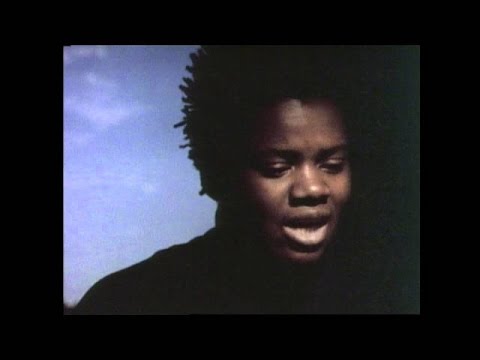


→ More from the 1980s File
View all 1980s hits →

Keep digging