The 1980s File Feature
Little Walter
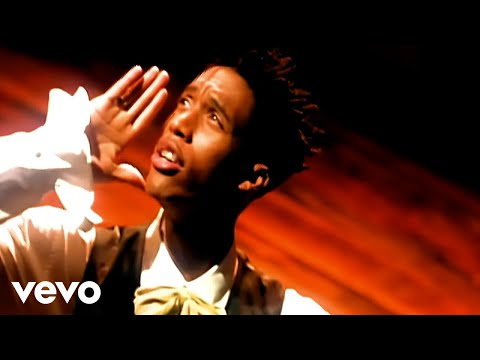
"Little Walter" — Tony! Toni! Toné! Oakland's New Voice in a Crowded Decade The late 1980s were a complicated moment for R B. New Jack Swing was beginning it…
01 The Story
"Little Walter" — Tony! Toni! Toné!
Oakland's New Voice in a Crowded Decade
The late 1980s were a complicated moment for R&B. New Jack Swing was beginning its takeover of Black radio, production was getting harder and more percussive, and the line between R&B and hip-hop was blurring in ways that excited some listeners and frustrated others. Into this environment came three young men from Oakland, California, operating under the conspicuously punctuated name Tony! Toni! Toné!, with a debut that leaned against the grain. Where their contemporaries were embracing drum machines and synthesizers, they were reaching backward toward live instrumentation, organic rhythm, and a vocal style rooted in classic soul.
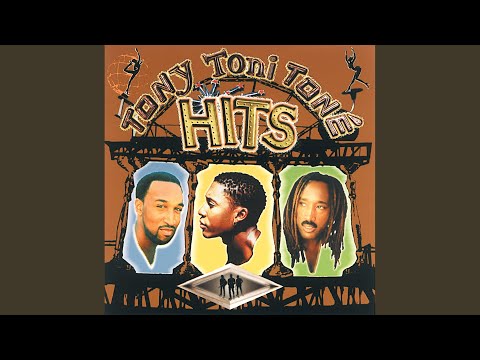
Tony! Toni! Toné! consisted of brothers Raphael Saadiq and D'wayne Wiggins, along with their cousin Timothy Christian Riley. Their collective instinct for vintage soul textures would eventually make them one of the most critically respected R&B acts of the early 1990s, but in 1988 they were newcomers trying to establish themselves in a market that was not obviously welcoming of their aesthetic approach.
The Debut Single and Its Arrival
Little Walter served as one of the early singles from the group's debut album Who?, released on Wing Records. The track introduced listeners to the group's signature sound: warm, live-feeling production, layered harmonies built on gospel and classic soul foundations, and a tonal sincerity that stood apart from the more synthetic textures dominating radio at the time. There was something almost deliberately unfashionable about the approach, which paradoxically gave it a distinctive quality that drew ears.
The song itself featured the kind of storytelling that would become a Tony! Toni! Toné! hallmark. Rather than chasing the slick, cool-pose aesthetic of late-1980s urban radio, the group delivered character-driven material with a warmth that recalled earlier decades of soul songwriting. That choice reflected both their influences and their artistic convictions, and it set them apart immediately.
Charting the Climb
The single debuted on the Billboard Hot 100 on May 28, 1988, entering at position 98. Over the following weeks it climbed steadily through the lower regions of the chart, moving from 79 to 72 to 64 and beyond as radio play accumulated and awareness of the group spread. The peak of number 47 arrived on July 9, 1988, after 10 weeks on the chart. For a debut act releasing their first material, reaching the top 50 of the Hot 100 was a creditable achievement that demonstrated genuine crossover appeal beyond the R&B audience.
The trajectory spoke to how word traveled in 1988: slowly through radio rotation, with individual markets picking up a track and adding momentum before the national chart reflected what was already happening in specific cities. Oakland-area radio support would have provided an initial base, but the Hot 100 showing confirmed that the appeal extended beyond hometown loyalty.
A Foundation for What Followed
The historical importance of Little Walter lies largely in what it inaugurated. Tony! Toni! Toné! would go on to become one of the defining acts of the neo-soul movement that emerged in the early 1990s, influencing the generation of artists who would eventually be grouped under that label. Their subsequent albums The Revival (1990) and Sons of Soul (1993) delivered genuinely significant records, with the latter producing R&B hits that remain touchstones of the era.
Raphael Saadiq in particular would go on to a long career as both a performer and a highly sought-after producer, working with artists across multiple genres and earning a reputation as one of the most authentic voices in contemporary soul. The sensibility he developed with Tony! Toni! Toné!, that commitment to live feeling and genuine emotion over synthetic gloss, remained central to his work across decades.
The Sound That Time Validated
When Little Walter appeared in 1988, it occupied a minority position in the sonic landscape. New Jack Swing was about to crest into full commercial dominance, and the organic R&B approach that Tony! Toni! Toné! championed would take a few more years to find its most enthusiastic audience. The debut single planted a flag in the ground for a certain kind of soulful authenticity, one that the market would eventually reward handsomely as tastes shifted in the early 1990s.
The record is worth revisiting now as a document of that early conviction, three musicians from Oakland deciding that the way forward was through the past, and getting enough right about it to build a genuine legacy. Press play and hear where it all began.
"Little Walter" — Tony! Toni! Toné!'s singular moment on the 1980s charts.
02 Song Meaning
The Meaning Behind "Little Walter" by Tony! Toni! Toné!
Character Studies as Soul Tradition
Soul music has always been comfortable with narrative, with songs that tell the story of specific people in specific situations rather than speaking in broad emotional abstractions. Little Walter sits firmly in this tradition, presenting a character study that feels grounded and particular. The song draws the listener into a story rather than simply presenting a feeling, a choice that was already somewhat countercultural in 1988 when much of pop and R&B was trending toward atmospherics and groove over substance.
The character at the center of the song carries the weight of a real person rather than a symbolic figure, which was precisely the kind of human specificity that Tony! Toni! Toné! would make their calling card across their career. Their music was populated with recognizable individuals, ordinary people navigating the terrain of love, community, and daily life.
The Oakland Perspective
Context shapes creative output in ways that are often underestimated. Oakland in the late 1980s was a city with a rich musical heritage and a specific community life that informed the kind of stories artists wanted to tell. Tony! Toni! Toné!'s roots in that environment gave their material a particular texture, an awareness of neighborhood, of extended family, of the specific rhythms of Black life in a Northern California urban setting. Little Walter reflects that rooted sensibility, a song that could only have been written by people who knew what they were drawing from.
This geographic and cultural groundedness was one of the things that distinguished the group from more generic R&B product of the era. Their songs came from somewhere specific, and listeners could feel the difference even if they could not always articulate what made it feel more real.
Nostalgia as a Forward-Looking Impulse
One of the interesting paradoxes of Tony! Toni! Toné!'s early work is that their backward-looking aesthetic was actually quite forward-thinking. By reaching toward classic soul sounds in 1988, they were anticipating the neo-soul movement that would emerge in the early-to-mid 1990s and revitalize interest in organic, emotionally direct Black music. Little Walter arrives before the term "neo-soul" existed as a marketing category, but it embodies many of the impulses that movement would later codify.
The desire to recover something lost is both the thematic content and the artistic method of much of this group's work. That doubling, where the music enacts what the lyrics describe, gives their best material a particular resonance.
Legacy and Emotional Register
What makes Little Walter worth returning to is its emotional honesty. The track does not reach for grandeur or spectacle; it focuses tightly on its subject and trusts that specificity will produce feeling. That trust in restraint is a mark of mature songwriting, and it is somewhat remarkable to encounter it in a debut release.
The song asks listeners to care about someone they have never met, to inhabit a story that belongs to a specific community and a specific moment. That it succeeds in this invitation speaks to the quality of the writing and the performance. In an era when artifice was often rewarded, this kind of earnest character-driven storytelling stood as a quiet argument for the enduring power of soul music's oldest instincts.
→ More from Tony Toni Tone
View all Tony Toni Tone hits →


→ More from the 1980s File
View all 1980s hits →
Keep digging