The 1980s File Feature
Get That Love
Get That Love by Thompson Twins Step into the mid-1980s, when synthesizers ruled the airwaves and a band could conjure an entire dance floor from a bank of k…
01 The Story
"Get That Love" by Thompson Twins
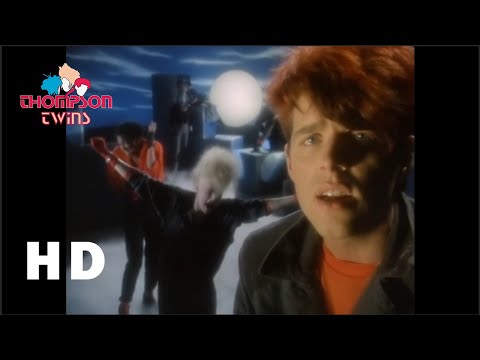
Step into the mid-1980s, when synthesizers ruled the airwaves and a band could conjure an entire dance floor from a bank of keyboards and a clever hook. The Thompson Twins had spent the first half of the decade as one of the most successful synth-pop acts in the world, a British group whose colorful image and irresistible electronic singles made them MTV favorites and chart regulars. By 1987, the musical landscape was shifting, and the band was working to keep pace. "Get That Love" was a key single from that effort.
Synth-Pop Stars in Transition
The Thompson Twins, despite their name, were not twins and not always a trio, but the lineup that found fame built a sound around bright synthesizers, catchy melodies, and an infectious sense of fun. They scored a run of major hits in the first half of the 1980s that established them as one of the defining acts of the synth-pop wave. By 1987, tastes were evolving and the competition was fierce, and the band needed fresh material to maintain their momentum in a crowded pop marketplace.
A Polished Dance-Pop Single
"Get That Love" delivered the kind of sleek, danceable pop the band did so well. Built around a propulsive groove and a hook designed for radio and the clubs, it carried the glossy production values that defined the era. The track aimed squarely at the dance floor while keeping the melodic sensibility that had always been central to the band's appeal. It was a confident piece of late-1980s pop craftsmanship, engineered to move bodies and stick in memories.
A Solid Chart Climb
On the Billboard Hot 100, "Get That Love" performed respectably. It debuted at number 78 on March 28, 1987, then climbed steadily week after week, reaching number 67, then 54, then 44 in consecutive weeks. The song eventually peaked at number 31 on May 16, 1987 and spent a healthy 11 weeks on the chart. While it did not match the towering heights of the band's biggest hits, it was a solid showing that kept them in the conversation during a transitional phase of their career.
The Shifting Sound of 1987
The year 1987 was a turning point for the kind of synth-pop the Thompson Twins had mastered. Dance music was evolving, with new production techniques and emerging styles beginning to reshape the charts. Bands that had thrived earlier in the decade now had to adapt or risk sounding dated. "Get That Love" represented the band's attempt to keep current, embracing a more contemporary dance-pop production while holding onto the melodic instincts that had always served them. The track sat at an interesting crossroads, looking back to the synth-pop heyday while reaching toward the dance-oriented sound that would dominate the years ahead, a balancing act that many veteran acts of the era were forced to attempt as the ground shifted beneath them.
A Late Highlight for the Band
By the late 1980s, the synth-pop sound that the Thompson Twins had helped popularize was beginning to give way to new styles, and the band's commercial peak was behind them. "Get That Love" stands as one of the stronger singles from their later period, a reminder of their enduring knack for a catchy hook. Their legacy as synth-pop pioneers rests on a richer body of work, but this track holds its own as a polished example of their craft. For fans, it remains a worthy listen.
Press play and let that bright, propulsive groove pull you back to 1987, when synth-pop was making its last great stand. The hook still does its work, a polished reminder of a band that helped to define one of the most colorful and inventive sounds of the entire decade.
"Get That Love" — Thompson Twins' singular moment on the 1980s charts.
02 Song Meaning
The Meaning Behind "Get That Love"
"Get That Love" is a song about the pursuit of connection, about the drive to find and hold onto love in a world that does not always make it easy. Beneath its upbeat, danceable surface runs a thread of yearning, the desire to break through barriers and reach the warmth of genuine affection. It pairs a club-ready energy with a message about emotional need.
The Search for Connection
At its heart, the song expresses a longing to obtain love, to seize it and make it one's own. The title itself is a kind of declaration of intent, a determination to go after the thing that matters most. That active pursuit of affection gives the song its forward momentum, framing love not as something that simply happens but as something worth chasing.
Energy Masking Vulnerability
There is an interesting tension between the song's bright, upbeat production and its underlying emotional need. The danceable surface carries a current of want, the hope of finding the connection the singer is reaching for. That contrast between celebration and longing is common in the best dance-pop, where the joy of the beat coexists with the ache of desire.
A Product of Its Era
The song also reflects the emotional language of 1980s pop, where big feelings were delivered through glossy synthesizers and irresistible hooks. The era favored songs that you could dance to and feel at the same time. That fusion of physical and emotional appeal defined the period, and "Get That Love" sits comfortably within that tradition.
Optimism in the Pursuit
What gives the song its lift is its fundamental optimism. Rather than wallowing in the absence of love, it channels that need into hopeful, forward motion. The pursuit itself becomes a source of energy, an act of faith that the connection being sought can actually be found. That hopefulness suits the bright, danceable production, turning what might have been a song about loneliness into something closer to a celebration of the search. The message is not that love is missing but that it is worth going after, and that distinction shapes the entire mood of the track, turning longing into something bright and hopeful rather than melancholy.
Why It Connected
The song resonated because the desire it describes is deeply human. Everyone understands the wish to find love and the determination to hold onto it once found. By wrapping that universal longing in an upbeat, accessible package, the band made the sentiment easy to embrace. Listeners could dance to it and feel understood by it at once, and that dual appeal is exactly what kept the song spinning on the radio through the spring and summer of 1987.
→ More from Thompson Twins
View all Thompson Twins hits →



→ More from the 1980s File
View all 1980s hits →

Keep digging