The 1980s File Feature
Europa And The Pirate Twins
The Story Behind Europa And The Pirate Twins by Thomas Dolby Travel back to the early 1980s, a time when synthesizers were rewriting the rules of pop and a n…
01 The Story
The Story Behind "Europa And The Pirate Twins" by Thomas Dolby
Travel back to the early 1980s, a time when synthesizers were rewriting the rules of pop and a new breed of art-minded musicians were turning bedroom electronics into chart contenders. Britain was producing wave after wave of synth-pop innovators, and among the most cerebral was Thomas Dolby, a self-taught studio wizard with a scientist's curiosity and a storyteller's imagination. While the world would soon know him for a much bigger hit, this early single revealed the strange and brilliant mind already at work.
An Inventor at the Synthesizer
Dolby was a different kind of pop star, more engineer and tinkerer than traditional frontman, fascinated by technology and capable of building entire sonic worlds in the studio. This track came from his debut album The Golden Age of Wireless, a record steeped in themes of communication, radio, and futuristic longing. The song appeared on that 1982 debut album and showcased his gift for marrying quirky, intelligent lyrics to inventive electronic arrangements that still sound distinctive decades later.
A Cinematic Slice of Synth-Pop
The song unfolds like a tiny film, telling a nostalgic, slightly melancholy story of childhood friends and lost connection set against a backdrop of shimmering synthesizers and crisp programmed rhythms. The production is detailed and atmospheric, full of textures that reward close listening through headphones. Dolby's voice, cool and slightly detached, narrates the tale with a wistful precision that suits the song's themes of memory and distance. It is pop music made by someone clearly thinking like a filmmaker.
A Modest American Chart Showing
In the United States, the single made a brief but genuine appearance on the Hot 100. It debuted at number 81 on June 18, 1983, then climbed across the following weeks into the seventies and up to its high point. It reached its peak of number 67 during the week of July 2, 1983, before slipping back down the chart. The song spent five weeks on the Hot 100, a short run that nonetheless introduced American audiences to Dolby's distinctive sound ahead of his bigger breakthrough. For a track this idiosyncratic, simply reaching the chart at all was a notable achievement.
The Birth of a Distinctive Voice
What makes this early single so fascinating is how fully formed Dolby's artistic identity already was. Many artists take years to find their voice, but here, on material from his debut, the signature elements were all in place: the fascination with technology, the literary storytelling, the cool yet emotionally precise vocal delivery. The track stands as an early showcase of his self-produced studio craftsmanship, the work of a musician who built his sound from the ground up rather than relying on outside hands. That self-sufficiency was unusual for the era and pointed toward the inventive career that would follow. Listening to it now, you can hear an artist who understood exactly what kind of music he wanted to make and possessed the technical skill to realize it.
A Cult Gem in His Legacy
Though Dolby would become far better known for another, much larger hit, this song endures as a favorite among fans of intelligent synth-pop. It represents the purest expression of his early vision, the marriage of literary storytelling and electronic experimentation that set him apart from his peers. Over the years it has earned a devoted cult following, prized for its inventiveness and its bittersweet emotional core. It remains a touchstone for anyone exploring the more thoughtful corners of the synth era, the kind of track that rewards listeners willing to look past the bigger hits and discover the depth of an artist's catalog.
Press Play and Drift Away
Put on a good pair of headphones and let the layered synths and the wistful narrative pull you into Dolby's world. It is a small, perfectly crafted electronic story, the work of an artist who treated pop as both science and art, and one that rewards close, repeated listening more than most singles of its era.
"Europa And The Pirate Twins" — Thomas Dolby's singular moment on the 1980s charts.
02 Song Meaning
The Meaning of "Europa And The Pirate Twins" by Thomas Dolby
This song is a wistful meditation on childhood friendship, lost time, and the gap between who we were and who we become. Dolby tells a small, bittersweet story about two young friends separated by life and the way one of them grows into something the other can only watch from afar. It turns a personal memory into a universal reflection on distance and longing.
A Tale of Childhood Friends
At the center of the song is the bond between two young companions, imagined as inseparable adventurers in their youth. The core narrative follows two childhood friends who drift apart over the years, a story of innocence giving way to the realities of growing up. The intimacy of that early connection makes the eventual separation sting all the more.
Fame and Unbridgeable Distance
As the story unfolds, one of the pair becomes a distant, almost mythic figure, glimpsed only through media and broadcasts. The theme of watching a loved one become unreachable runs through the lyric, capturing the strange ache of seeing someone you knew transformed into a stranger on a screen. The radio and television imagery underscores how technology can connect and isolate at once.
Nostalgia and Its Sweet Ache
The song is steeped in longing for a simpler past, the kind of nostalgia that mixes warmth with sadness. It dwells on the bittersweet pull of memory, mourning what time inevitably takes while cherishing what once was. That tender melancholy is the emotional thread holding the whole piece together.
Why It Resonated
Listeners drawn to the song found in it a reflection of their own lost friendships and faded childhood bonds. Its universal theme of growing apart struck a quiet chord, even amid the futuristic electronic textures. The combination of cutting-edge sound and timeless emotion gave it lasting depth.
A Story Told With Restraint
One of the song's quiet strengths is how it conveys deep emotion without ever overstating it. The understated, almost detached delivery heightens the sense of loss, letting the listener feel the ache rather than being told to feel it. That restraint, paired with the futuristic electronic textures, creates a striking contrast between cool surfaces and warm feeling. It is a sophisticated approach to a deeply emotional subject, and it gives the song a maturity that sets it apart from more straightforward ballads of the period.
A Reflection on Time Itself
In the end the song is about the inevitability of change and the impossibility of holding onto the past. It accepts that people drift, that closeness fades, and that some connections survive only as memory. That gentle acceptance of loss is what gives the track its quiet, enduring power, the sense of someone making peace with what time has carried away while still cherishing the memory of it.
→ More from Thomas Dolby
View all Thomas Dolby hits →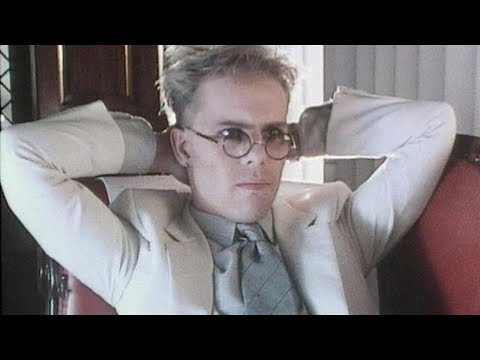

→ More from the 1980s File
View all 1980s hits →
Keep digging