The 1980s File Feature
Burn Rubber (Why You Wanna Hurt Me)
The Gap Band's Burn Rubber (Why You Wanna Hurt Me) Step onto a roller-skating rink in the winter of 1981, the lights low, the floor spinning, and a thick, el…
01 The Story
The Gap Band's "Burn Rubber (Why You Wanna Hurt Me)"
Step onto a roller-skating rink in the winter of 1981, the lights low, the floor spinning, and a thick, electronic funk groove pumping through the speakers. This was the era when funk was getting harder, sleeker, and more synthesizer-driven, when the warm horn sections of the 1970s were giving way to booming drum machines and fat bass synths. Right at the center of that transition stood The Gap Band, three brothers from Tulsa, Oklahoma, whose "Burn Rubber (Why You Wanna Hurt Me)" became one of the defining funk records of its moment.
The Brothers From Tulsa
The Gap Band took their name from three streets in their hometown's historic Greenwood district, and they were built around the talents of the Wilson brothers, with Charlie Wilson serving as the charismatic lead vocalist. By 1981 the group had broken through to become one of the leading lights of the burgeoning funk and R&B scene. Their sound fused gritty funk with the gleaming new electronic textures of the early 1980s, and their records were tailor-made for the dance floors and skating rinks where Black popular music thrived.
A Funk Classic Built On Heartbreak
"Burn Rubber" paired an irresistibly danceable groove with a lyric of romantic frustration, using the metaphor of a lover speeding away in a car to capture the sting of being left. The production was heavy and infectious, driven by a thick synthesizer bassline and a punchy, programmed beat that made it a staple of the era's clubs. Charlie Wilson's expressive vocals brought genuine emotion to the dance-floor energy, balancing the song's party appeal with a real sense of hurt. It was funk you could both dance to and feel.
A Modest Pop Showing, A Massive R&B Hit
The single's performance reveals the gap, fitting for this band, between pop and R&B success in 1981. "Burn Rubber" debuted on the Billboard Hot 100 at number 95 on February 28, 1981, and its pop run was brief, reaching only its peak of number 84 on April 11, 1981 and spending just 8 weeks on the Hot 100. On the R&B chart, however, the song was a giant, climbing all the way to number one. That disparity reflected the reality that much of the most vital Black music of the era dominated R&B radio while barely registering on the pop side.
The Sound Of A New Decade
"Burn Rubber" arrived at a turning point for Black popular music. The lush, orchestral disco and warm, horn-driven funk of the 1970s were giving way to a leaner, more electronic sound, one built on synthesizers, drum machines, and thick programmed basslines. The Gap Band were among the artists who defined that transition, fusing the grit and feeling of classic funk with the gleaming new technology of the early 1980s. This record captures that shift in motion, the moment when funk traded some of its organic warmth for a harder, more futuristic edge without losing an ounce of its danceable power. It pointed the way toward the sound that would dominate the coming years.
An Enduring Funk Anthem
The true measure of "Burn Rubber" lies in its long afterlife. The song became a foundational funk classic, beloved on dance floors and later mined extensively by hip-hop producers searching for the perfect groove. The Gap Band's catalog from this period would prove enormously influential on later generations of R&B and rap, and Charlie Wilson himself would enjoy a celebrated career resurgence decades later. This track stands as one of the cornerstones of that lasting legacy, a record whose groove never went out of style.
Press Play And Hit The Floor
Cue this one up and feel that synth bass rumble through the room. The groove is fat, the beat is relentless, and Charlie Wilson sells every ounce of the heartbreak even as the music demands that you dance. It is early-1980s funk at its most irresistible. Press play and let The Gap Band take you back to the rink.
"Burn Rubber (Why You Wanna Hurt Me)" — The Gap Band's singular moment on the 1980s charts.
02 Song Meaning
The Meaning Behind The Gap Band's "Burn Rubber (Why You Wanna Hurt Me)"
Beneath its dance-floor groove, "Burn Rubber" is a song about heartbreak and abandonment, dressed up in the language of cars and speed. The central image is a lover who has metaphorically burned rubber, peeling away and leaving the narrator behind in a cloud of exhaust. The plaintive question in the title, asking why the loved one wants to cause such pain, reveals the genuine hurt beneath the song's upbeat surface.
Left In The Dust
The driving metaphor of the song is desertion. The image of a lover speeding off captures the suddenness and finality of being left, the helpless feeling of watching someone you love simply drive out of your life. It is a vivid, relatable picture of abandonment, made all the more poignant by the narrator's evident confusion. He does not understand why this is happening to him, and that bewilderment gives the song its emotional core.
Joy And Pain Together
The fascinating tension in the song comes from the clash between its danceable energy and its sorrowful subject. The groove is built for celebration, yet the words speak of rejection and hurt. This combination was a hallmark of funk and R&B, the ability to make people dance while singing about pain. The contradiction reflects a real emotional truth: that heartbreak does not stop the world from spinning, and that sometimes we dance precisely to keep the sadness at bay.
A Reflection Of Its Moment
The song captured the spirit of early-1980s Black popular culture, where the dance floor served as a space for both joy and emotional release. In an era of economic hardship for many communities, the club and the skating rink offered refuge, a place to feel free even while carrying private burdens. A song that let you dance through your heartbreak fit that cultural need perfectly, channeling pain into communal movement.
The Sting Of The Unanswered Question
What lingers most is the question the title keeps asking. By framing the heartbreak as a genuine query rather than a statement, the song captures the maddening helplessness of rejection. The narrator is not given a reason; he is simply left to wonder why someone would choose to wound him. That open, unanswered ache is deeply familiar to anyone who has been cast aside without explanation, and it gives the song a vulnerability that its tough, funky exterior might otherwise hide.
Why It Endures
The song has lasted because it speaks to a feeling everyone knows while giving it an irresistible beat. The universal experience of being left behind ensures the lyric still resonates. The undeniable groove keeps the song alive on dance floors and in the samples of later music. That blend of genuine hurt and pure danceable energy is what makes it timeless. It proves that the best dance music often hides real emotion beneath its rhythm, letting listeners move their bodies and feel their hearts at the very same time.
→ More from The Gap Band
View all The Gap Band hits →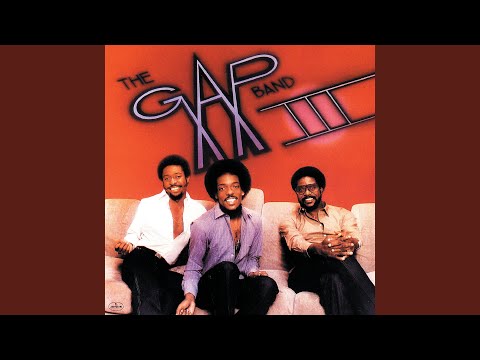
→ More from the 1980s File
View all 1980s hits →
Keep digging