The 1980s File Feature
The Love Parade
The Love Parade: The Dream Academy's Shimmering 1986 ReverieA Group Out of Time, Perfectly in TimeThere is a peculiar kind of pop song that sounds as though …
01 The Story
The Love Parade: The Dream Academy's Shimmering 1986 Reverie
A Group Out of Time, Perfectly in Time
There is a peculiar kind of pop song that sounds as though it arrived from somewhere else entirely: too orchestral for the clubs, too lush for the indie underground, too melancholy for the mainstream, yet somehow landing in all three worlds at once. The Love Parade by The Dream Academy is exactly that kind of song. When it drifted across British and American radio in 1986, it seemed to exist in its own self-contained atmosphere, bearing the fingerprints of a different era while being unmistakably of its moment.
The Dream Academy and Their Sound
The Dream Academy was a British trio: Nick Laird-Clowes, Kate St. John, and Gilbert Gabriel. Their music drew heavily on the orchestral pop traditions of the late 1960s, particularly the cinematic melancholy associated with that period's British pop, and filtered it through the production techniques of the 1980s. Nick Laird-Clowes and Gilbert Gabriel wrote the songs, while David Gilmour of Pink Floyd produced their debut album, lending the project a credibility that helped them secure attention on both sides of the Atlantic. That association was more than cosmetic; Gilmour brought patience and a feel for space and atmosphere that suited the band's essentially reflective nature.
Floating Up the Charts
On the Billboard Hot 100, The Love Parade debuted at number 91 on April 19, 1986, and moved steadily upward across the spring, reaching its peak position of number 36 on June 7, 1986. The chart run lasted 11 weeks, a respectable stay for a track that made no concessions to the harder, glossier pop sounds competing around it. That it charted at all in America, a market not always sympathetic to British chamber pop with orchestral arrangements, says something about the depth of the song's appeal.
Between Nostalgia and the Present
The sonic world of The Love Parade sits somewhere between a Nick Drake folk reverie and a film score, with oboe lines courtesy of Kate St. John threading through guitar work and period production textures. The song carries a quality of wistful remembrance that resonated in 1986, a year when the pop landscape was split between glossy, aggressive commercial production and more reflective, atmospheric sounds. The Dream Academy belonged firmly to the second camp, and their visibility on the charts that year suggested a genuine audience for music that prized beauty and melancholy over energy and volume.
An Overlooked Gem Still Accumulating Listeners
The Dream Academy's commercial moment was relatively brief, but The Love Parade has proven persistent in the way that certain genuinely beautiful songs do: not through saturation play or nostalgia circuits, but through discovery. Over 35 million YouTube views on the recording attest to ongoing rediscovery by listeners who find the song's particular emotional register irresistible. In the curated-playlist era, tracks that offer this kind of self-contained atmosphere often outperform their original chart positions in terms of long-term cultural presence, and The Love Parade fits that pattern precisely.
Find a quiet room, press play, and let the oboe take you somewhere suspended between memory and longing.
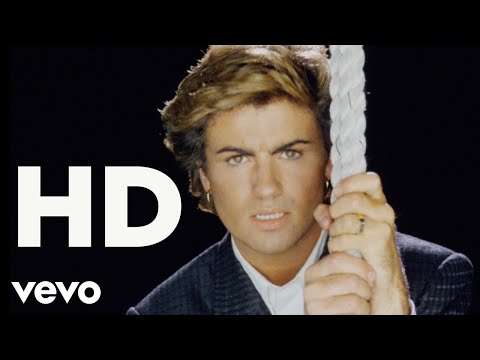
“The Love Parade” — The Dream Academy's singular moment on the 1980s charts.
02 Song Meaning
The Love Parade: Decoding The Dream Academy's Bittersweet Vision
Memory as a Landscape
The central experience of The Love Parade is one of looking back at something beautiful from a distance. The song constructs memory as a kind of place you can almost re-enter but never quite reach, and that distance is built into every production choice: the dreamy tempo, the orchestral color, the vocal approach that hovers between singing and speaking. Nick Laird-Clowes' delivery is deliberately understated, almost as though the emotional weight of what he's describing requires quiet rather than intensity.
The Imagery of Lost Youth
The lyrics reach back to a time of innocence and communal joy, evoking festivals, shared music, the particular electric feeling of being young in a world that seemed full of promise. The love parade of the title functions as both a specific memory and a symbol: the procession of youthful experience, people walking together through a moment in time before life scatters them in different directions. The mood is elegiac without being despairing; the song mourns without condemning the present.
The 1960s as Emotional Reference
The Dream Academy's debt to the orchestral pop of the late 1960s is more than stylistic; it reflects a genuine emotional identification with the values and aesthetics of that period. By 1986, that era was close enough in time to be within living memory for many listeners but far enough away to have acquired the soft glow of myth. The song participates in a broader 1980s cultural conversation about what had been lost since the countercultural optimism of the 1960s: the sense of collective purpose, the conviction that music could change the world.
Kate St. John's Oboe and the Sound of Melancholy
The oboe lines woven through the arrangement carry a significant part of the emotional work. The oboe is an instrument with a distinctly plaintive quality, associated in Western musical tradition with pastoral settings and with loss. Its presence in a pop record was unusual in 1986, and it gave The Love Parade an unmistakable character. The arrangement breathes in a way that most mid-eighties production did not allow, giving individual instruments space to be heard and felt rather than buried in reverb and gloss.
Why It Still Resonates
The experience the song describes, the ache of looking back at a time when things felt simpler and more beautiful, is genuinely universal. It doesn't require knowledge of specific historical events or cultural references; it speaks directly to the private emotional life of anyone who has ever loved something that passed. That quality of emotional directness, dressed in period orchestration and 1980s production, has kept The Love Parade alive in the hearts of listeners who were not yet born when it first charted. Some songs find their true audience across decades, and this is one of them.
→ More from the 1980s File
View all 1980s hits →



Keep digging