The 1980s File Feature
Sold Me Down The River
The Alarm Rage Against Betrayal on Sold Me Down The River The late 1980s found the anthemic rock of the decade evolving, its passionate, big-hearted sound st…
01 The Story
The Alarm Rage Against Betrayal on "Sold Me Down The River"
The late 1980s found the anthemic rock of the decade evolving, its passionate, big-hearted sound still capable of stirring crowds. Among the bands carrying that torch was the Alarm, the Welsh group known for their fervent, idealistic rock and their fiery live performances. "Sold Me Down The River" arrived in the autumn of 1989, a driving, impassioned single that became one of the band's most successful American hits, channeling their characteristic intensity into a song about betrayal.
Welsh Rock Idealists
The Alarm came to this song as established figures in the anthemic rock scene. The Welsh band had built a passionate following with their idealistic, emotionally charged rock, often drawing comparisons to other big-hearted acts of the era. They were known for their conviction and energy, music that wore its heart on its sleeve and aimed to inspire. By 1989 they had a solid catalog and a devoted fanbase, and "Sold Me Down The River" represented one of their strongest commercial moments, a song that paired their trademark passion with a driving, radio-ready sound.
The Sound of Anthemic Rock
Musically the song embodies the big, impassioned rock the band was known for. The arrangement is driving and energetic, built around urgent guitars and a powerful, anthemic delivery. There is a sense of conviction and intensity to the recording, the sound of a band fully committed to its message. The vocals carry real fire, conveying the song's feeling of anger and betrayal with force. It captures the anthemic rock tradition at its most passionate, music designed to stir emotion and energize a crowd.
A Strong Run on the Hot 100
The chart performance marked a high point for the band in America. "Sold Me Down The River" debuted on the Billboard Hot 100 dated October 7, 1989, at number 94. It climbed steadily over the following weeks, rising to 83, then 78, then 66 and 63. The song ultimately peaked at number 50 on the chart dated November 25, 1989. It enjoyed a substantial run of thirteen weeks on the Hot 100. Cracking the top fifty was a strong showing for the band in the American market, confirming their appeal and giving them one of their most notable stateside successes.
A Passionate Late-Decade Hit
Within the Alarm's career, "Sold Me Down The River" stands as one of their most successful and memorable recordings. The band remained respected figures in the anthemic rock tradition, valued for their passion and conviction. The song captures the fiery intensity that defined their music, channeled into a powerful statement about betrayal. For fans of late-eighties rock, it offers a stirring example of the band at their commercial peak, delivering impassioned, anthemic rock with full conviction and energy.
The Heart of Eighties Anthem Rock
The Alarm belonged to a distinctive strain of 1980s rock built around passion, idealism, and the power of the communal anthem. This was music designed to move crowds, to give voice to collective feeling through soaring choruses and urgent guitars. Bands working in this vein drew on punk's energy while reaching for something more expansive and uplifting, creating songs meant to inspire as much as entertain. The Alarm were among the most committed practitioners of that approach, their fervent sincerity setting them apart. "Sold Me Down The River" channels that anthemic spirit fully, a song built to be felt and shouted along to by a roomful of people.
A Welsh Band's American Breakthrough
The strong American chart showing of this single was a significant achievement for a band from Wales working in a crowded rock market. Breaking through in the United States required not only a strong song but the ability to connect with American audiences who had countless homegrown acts to choose from. The Alarm managed it through the sheer conviction of their music, which translated across the Atlantic with its passion intact. "Sold Me Down The River" gave them one of their most notable stateside successes, a moment when their fervent, anthemic rock found a substantial American audience and confirmed their appeal beyond their home country.
Press play and feel the fire; this is the Alarm channeling betrayal into passionate, anthemic rock.
"Sold Me Down The River" — The Alarm's singular moment on the 1980s charts.
02 Song Meaning
The Sting of Betrayal in "Sold Me Down The River"
"Sold Me Down The River" is a song about betrayal, the deep hurt and anger of being let down by someone you trusted. The title draws on an old phrase meaning to be betrayed for personal gain, casting the song as a passionate response to that wound. In the Alarm's impassioned hands, it becomes an anthem of righteous anger and disillusionment.
The Pain of Being Betrayed
The central theme is the hurt of betrayal. The lyrics express the anger and disappointment of being deceived or abandoned by someone who should have been loyal. There is a sense of righteous indignation in the sentiment, the wounded feeling of trust broken. The song paraphrases the universal experience of being let down by a person you relied on, the bitter realization that someone has put their own interests ahead of yours. It is betrayal confronted with passion.
Anger as the Message
Emotionally, the song trades in fiery indignation. The band channels the feeling of betrayal into a passionate, anthemic delivery, transforming hurt into defiant energy. Rather than wallowing in sorrow, the song meets betrayal with strength and conviction. That intensity was central to the Alarm's appeal, the way they could turn emotion into rousing, energetic rock. The anger becomes empowering, a refusal to be diminished by the betrayal the song describes.
A Song of Anthemic Conviction
The cultural context places the song within the anthemic rock tradition. The era's big-hearted rock often channeled strong emotions into rousing, communal anthems designed to stir and energize audiences. This song fit that tradition, treating betrayal not as private grief but as a subject for passionate, public expression. It reflected a musical culture that valued conviction and emotional intensity, music made to be shouted along to and felt collectively. The Alarm excelled at that anthemic emotional release.
Why It Resonated
The song connected because betrayal is so universally felt. Listeners related to the anger and hurt of being let down by someone they trusted, and to the empowering energy of the band's delivery. Everyone has experienced the sting of broken trust. By channeling that feeling into passionate, anthemic rock, the band offered listeners a sense of catharsis and strength, a way to meet betrayal with defiance rather than despair.
A Lasting Defiance
What endures is the song's passionate energy. It does not merely lament betrayal; it confronts it with fire and conviction. The meaning is rooted in the timeless hurt of broken trust, met with the defiant strength that defined the Alarm's anthemic rock. Carried by the band's impassioned delivery, the song remains a stirring response to betrayal, transforming a painful wound into a rousing, energetic anthem.
→ More from The Alarm
View all The Alarm hits →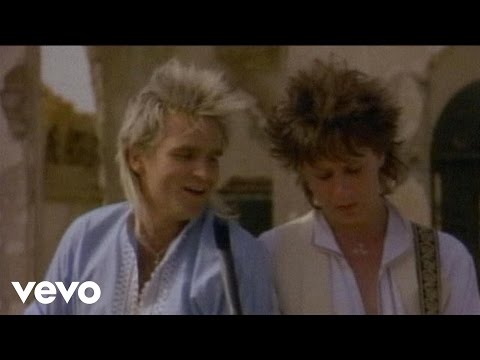
→ More from the 1980s File
View all 1980s hits →
Keep digging