The 1980s File Feature
Head Over Heels
Head Over Heels: Tears For Fears and the Anatomy of ObsessionThe Momentum of Songs from the Big ChairBy the autumn of 1985, Tears for Fears had turned their …
01 The Story
Head Over Heels: Tears For Fears and the Anatomy of Obsession
The Momentum of Songs from the Big Chair
By the autumn of 1985, Tears for Fears had turned their second album into one of the dominant commercial stories of the year. Songs from the Big Chair had already produced two enormous hits: Shout had spent weeks near the top of the American charts, and Everybody Wants to Rule the World had gone to number 1. Roland Orzabal and Curt Smith were discovering what it felt like to have an album that kept giving, and the third single from that record was about to confirm that they were not a two-song wonder. The album had already sold millions of copies; what remained was proving it had depth.
The Making of Something More Intricate
Where Everybody Wants to Rule the World was polished and propulsive, Head Over Heels had a more intricate emotional texture. The arrangement layers keyboards and acoustic guitar with a production sensibility that is warmer and slightly more tentative than the album's anthemic bookends. Orzabal's vocal on the track has a reaching, uncertain quality that suits the lyric's subject perfectly: someone in the grip of feeling they cannot quite control or articulate. The song does not rush. It spirals. That quality made it the most intimate moment on an album that otherwise favored enormity.
Climbing to Number Three
The single debuted on the Billboard Hot 100 on September 14, 1985, entering at number 49. From there it climbed steadily over a 20-week chart run, eventually reaching its peak position of number 3 during the week of November 9, 1985. In the context of an album that already had a number-1 hit and several other strong performers, the top-three placement of Head Over Heels was a significant commercial achievement, demonstrating that the album had genuine depth and that audiences were willing to follow the band into somewhat more vulnerable emotional territory.
A Year of British Dominance
The American charts of autumn 1985 were heavily populated by British acts who had crossed over on the back of MTV's embrace of their music videos. Tears for Fears were among the most credible of these: they were not manufactured pop but a genuine songwriting duo with serious artistic pretensions, shaped by primal therapy and a commitment to psychological honesty in their writing. Landing three singles from one album in the American top ten required not just commercial savvy but a record with real range, and Songs from the Big Chair had it. The campaign was one of the most impressive of the decade.
The Song's Place in the Legacy
Decades later, Head Over Heels occupies an interesting position in the Tears for Fears catalog. The album's two better-remembered anthems are the ones that appear in films and television shows, on every decade-retrospective playlist. This one tends to be the song that fans identify as a personal favorite rather than a cultural touchstone: quieter, more anxious, more closely observed. That distinction is its own kind of honor. The song received renewed attention in 2001 when it appeared prominently in the opening sequence of Cameron Crowe's film Vanilla Sky, introducing it to an entirely new generation of listeners who had not been around for the original chart run. A great song eventually finds all the audiences it deserves. That second life in cinema also confirmed the track's unusual quality: it could soundtrack both intimacy and enormity depending on what you placed it against. The music was flexible enough in its emotional meaning to serve multiple dramatic purposes, which is a mark of genuine compositional depth rather than a happy accident of timing. Orzabal and Smith had built something with interior weather.
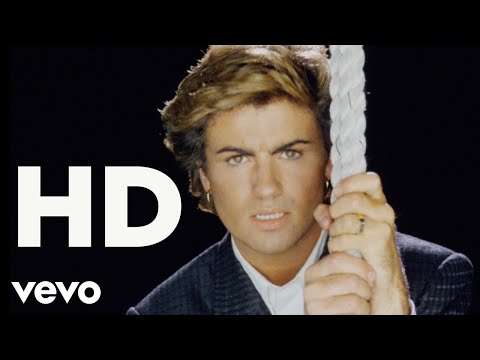
Press play and pay attention to the way the song keeps reaching for something just out of its grasp; that restlessness is the whole performance.
“Head Over Heels” — Tears For Fears's singular moment on the 1980s charts.
02 Song Meaning
Head Over Heels: When Feeling Outpaces Understanding
The Physiology of Being Overwhelmed
The phrase "head over heels" is a cliche about love, but Tears for Fears uses it with enough earnestness that it recovers its original strangeness: the image of someone literally upended, orientation lost, unable to stand upright in the face of an emotion. The lyrics describe someone who has been overtaken by a feeling before they were ready for it. The song captures a specific kind of vulnerability: the moment when you realize that what you feel for another person has exceeded anything you can manage rationally. That loss of control is the subject, and the music enacts it beautifully.
Orzabal's Psychological Lens
Roland Orzabal was, at the time of this album, deeply engaged with ideas from primal therapy and the writing of Arthur Janov, whose work emphasized the importance of confronting suppressed childhood pain. That intellectual framework shaped much of Tears for Fears' output, and Head Over Heels reflects it in the song's attention to the involuntary quality of feeling. The lyric does not celebrate the experience of being overwhelmed; it observes it with something closer to anxiety. The emotion described is genuine and unasked for, and the singer is not entirely sure how to proceed.
Love as Loss of Control
One of the recurring themes in the song is the tension between wanting connection and fearing what connection costs. The imagery suggests someone circling around an admission they cannot quite make, approaching and retreating. That ambivalence is what makes the song emotionally true to a large range of listeners: most people have experienced the particular torture of caring very much while simultaneously not knowing what to do with that care. The song names the experience without offering resolution, which is why it feels honest.
The Sound Reflects the Subject
The arrangement reinforces the lyric's emotional character. The song builds and subsides rather than driving forward; it hesitates. The production includes small details, acoustic textures, keyboard ornaments, that give it a slightly fragile quality compared to the album's more armored moments. Listening carefully, you hear a song constructed to sound like someone who is trying to hold themselves together while saying something important. Every element serves the emotional argument.
The Universal Embarrassment of Feeling Too Much
What makes Head Over Heels endure as a fan favorite rather than just a chart artifact is its honesty about the specific embarrassment of loving someone intensely. The song does not glamorize the experience; it describes it with the recognition that being head over heels is disorienting and inconvenient as much as it is exhilarating. That acknowledgment of love's difficulty, rather than its romance, is what keeps the song fresh for listeners forty years on. Most love songs tell you how wonderful the feeling is; this one is more interested in what it costs you.
→ More from the 1980s File
View all 1980s hits →



Keep digging