The 1980s File Feature
Hourglass
Hourglass by Squeeze Picture the cluttered, kaleidoscopic music video landscape of late 1987, MTV in its imperial phase, and an English band famous for cleve…
01 The Story
"Hourglass" by Squeeze
Picture the cluttered, kaleidoscopic music video landscape of late 1987, MTV in its imperial phase, and an English band famous for clever songcraft suddenly grabbing American attention with a tumbling, surreal clip full of optical tricks and rapid-fire imagery. Squeeze had been one of Britain's most respected songwriting acts for the better part of a decade, but here, deep into their career, they finally cracked the American mainstream with a track as inventive visually as it was musically.
Britain's Songwriting Craftsmen
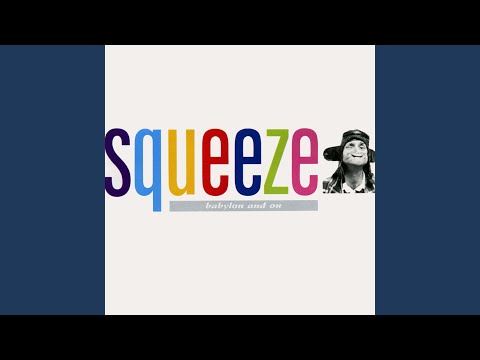
By 1987 Squeeze were elder statesmen of smart British pop, led by the songwriting partnership of Chris Difford and Glenn Tilbrook, often praised as one of the finest pairings in the genre. They had earned a devoted following with witty, melodically rich songs across the early 1980s, yet major American success had largely eluded them. "Hourglass" appeared on their 1987 album "Babylon and On," arriving during a creative resurgence for the band. The song's playful energy and irresistible hook positioned it perfectly for the radio and video culture of the moment, giving these veterans an unexpected commercial breakthrough.
A Whirl of Wordplay and Color
The track is a dizzying delight, packed with the kind of dense, tumbling lyrics that were the Difford and Tilbrook trademark. Written by Chris Difford and Glenn Tilbrook, the song crams clever turns of phrase and rhythmic patter into a bright, bouncing pop structure. Its accompanying music video, full of surreal visual effects and gravity-defying imagery, became a staple on MTV and drove much of the single's success. The combination of brainy lyricism and eye-catching presentation made it stand out in a crowded field, a song you could dance to and puzzle over at once.
A Long Climb to the Top 20
The single's chart run was patient and rewarding. It debuted at number 81 on the Billboard Hot 100 on September 19, 1987, and climbed steadily through the autumn. It reached its peak of number 15 during the week of December 5, 1987, and spent an impressive 19 weeks on the chart. That lengthy run made it by far the band's biggest American hit, a remarkable achievement for an act that had spent years as critical favorites without comparable commercial reward in the United States. The long stay kept them on the airwaves through the holiday season and into the new year.
The Crown of an American Breakthrough
Within Squeeze's story, this song stands as their defining moment on the American charts, the hit that introduced their craft to a wide new audience. It remains their highest-charting single in the United States, a peak they never surpassed there. While British fans had long cherished the band's catalog, this track gave Americans a reason to dig into a rich body of work. It endures as a fan favorite and a perfect distillation of what made the band special: sharp writing, bright melody, and a sense of mischief.
The MTV Effect
It would be hard to overstate how much the song's success owed to its arrival in the peak years of music television. The early-to-mid 1980s had transformed the music industry, turning the visual presentation of a song into a make-or-break factor for chart success. Squeeze, a band whose strength had always been the written word and the melody rather than image, suddenly found themselves with a video perfectly suited to the medium. The clip's surreal, gravity-bending visuals turned heavy rotation on MTV into a powerful engine for the single's chart climb. The directors filled the screen with optical illusions and playful tricks that matched the song's tumbling energy, giving casual viewers a reason to stop and watch. For a band that had spent years building a reputation on craft rather than spectacle, the irony was rich, yet the result was the biggest American hit of their career. The visual age had finally rewarded their substance.
Worth a Spin Today
Cue it up and you get a masterclass in clever pop, all tumbling words and sunshine hooks. It is the sound of a great songwriting team at the top of their game, finally getting the wider recognition they had long deserved. Press play and let the wordplay spin.
"Hourglass" — Squeeze's singular moment on the 1980s charts.
02 Song Meaning
The Meaning Behind "Hourglass"
This is a song that revels in language as much as in any single theme, a playful tumble of wordplay that uses the image of an hourglass to muse on time, communication, and the way thoughts and messages flow between people. Rather than delivering a straightforward narrative, the song delights in its own verbal energy, inviting listeners to enjoy the rhythm and ingenuity of the words.
Time Slipping Through
The central image of the hourglass evokes the passage of time, the sand running steadily from one chamber to the next. That metaphor gives the song its title and its quiet undercurrent, a reminder that moments slip away even amid the playfulness. The bright, busy delivery contrasts with this gentle awareness of time passing, lending the song a subtle depth beneath its bouncy surface.
The Joy of Language
More than anything, the song celebrates clever wordplay, packing dense, rhythmic phrases into every line in a display of pure verbal craft. The Difford and Tilbrook partnership was renowned for this gift, and the song showcases it gleefully. The meaning often lives in the texture of the words themselves, in the pleasure of how they tumble and rhyme, as much as in any literal message. It is language as play.
Communication and Its Tangles
Threaded through the lyric are images of messages, calls, and the difficulty of saying what one means, hinting at the tangles of human communication. The song touches on how words can confuse as easily as they connect, how a message can twist between sender and receiver. That theme suits the band's verbal dexterity perfectly, turning the very subject of communication into a vehicle for their wit.
Why It Captivated
It captivated listeners through the sheer pleasure of its construction, a song clever enough to reward repeated listening yet catchy enough for instant enjoyment. Audiences did not need to decode every line to delight in the energy. The surreal video amplified that sense of playful invention, making the song an experience as much as a message. People loved it because it was fun and smart at once.
Wit as Emotional Cover
One of the subtle pleasures of the song is how its playful surface lets it touch on real feelings without ever growing heavy or solemn. The Difford and Tilbrook approach often used cleverness as a kind of emotional cover, slipping observations about anxiety, time, and human connection into songs that sound carefree. Beneath the bounce, there is a hint of restlessness, a sense of a mind racing through thoughts faster than it can speak them. That tension between the joyful sound and the busy, slightly anxious lyric is what gives the song its peculiar staying power. It rewards listeners who dig deeper while still delighting those who simply enjoy the surface, a balance that defined the band's finest work.
A Playful Reflection
Ultimately the song is a celebration of cleverness and the slippery nature of time and words. It does not lecture; it dazzles. That commitment to wit and play over heavy meaning is precisely what gives the song its enduring charm and its distinctive place in the band's catalog.
→ More from Squeeze
View all Squeeze hits →
→ More from the 1980s File
View all 1980s hits →
Keep digging