The 1980s File Feature
Modern Girl
Modern Girl — Sheena Easton (1981) Sheena Easton's emergence as a recording artist in 1980 and 1981 was unusually well documented even before her commercial …
01 The Story
Modern Girl — Sheena Easton (1981)
Sheena Easton's emergence as a recording artist in 1980 and 1981 was unusually well documented even before her commercial success established her as a significant pop star. A BBC television documentary series called The Big Time had followed her through the process of being signed to EMI Records in the United Kingdom and attempting to launch a recording career, and the programme was broadcast at the same time as her debut single was being released to radio. This coincidence of documentary broadcast and commercial release created an unprecedented promotional situation, generating public awareness of Easton that was simultaneously sympathetic and skeptical in the way that reality-based television tends to produce.
The documentary context gave her debut singles a resonance that most new artists could not access: listeners knew her story before they knew her music, and the combination of personal narrative and commercial product created a level of public investment that accelerated her early chart performance substantially. Modern Girl was one of the recordings that benefited from this unusual promotional environment, reaching the upper regions of the British singles chart in 1980 and establishing her as a chart presence even before her breakthrough into full commercial stardom.
The song was released in the United States through EMI America, the American arm of the label, and performed well on the Billboard Hot 100, reaching the top twenty of the chart. This American success was particularly significant: many British acts that performed well domestically struggled to translate that success to the American market, and Easton's ability to reach the American top twenty with her early material demonstrated a commercial appeal that transcended her home market. Her slightly later American release schedule meant that some of her British hits arrived in the United States at different points in the chart cycle than they had in the UK, creating some complexity in tracking her transatlantic career chronologically.
The production of Modern Girl placed it squarely within the mainstream pop sound of the early 1980s. The clean, polished arrangements, synthesizer elements, and well-constructed hook reflected the influence of contemporary production techniques that were reshaping pop across the British and American markets. Easton's vocal approach on the recording was assured for an artist so early in her commercial career, demonstrating the vocal training and innate musicality that had made her an attractive signing from EMI's perspective. The song's melodic appeal was immediate and the production was designed for radio accessibility, which served it well in the format-driven landscape of early 1980s pop radio.
Thematically, the song addressed the experience of female independence and self-sufficiency in contemporary life, a subject that resonated strongly with the social changes of the late 1970s and early 1980s and that gave the recording a currency beyond its melodic appeal. The phrase "modern girl" carried specific connotations in the cultural moment of its release: it evoked the post-feminist assertion of female agency and economic independence that was reshaping public discourse about women's roles in Western societies. For a young female artist releasing her debut commercial material, the subject matter was both personally appropriate and commercially astute.
The American chart performance of Modern Girl was one element of a broader American breakthrough that Easton achieved in 1981 with multiple recordings charting simultaneously. Her Bond theme For Your Eyes Only, released to coincide with the film of the same name, also charted strongly in the United States, and the combination of two distinct songs reaching the Hot 100 simultaneously was a remarkable feat for any artist, particularly one who had been a complete unknown to American audiences barely a year earlier. This unusual commercial situation drew significant industry and press attention and established Easton as one of the more commercially compelling new artists of 1981.
In retrospect, Modern Girl stands as an important document of a particular moment in early 1980s pop: a moment when synthesizer-influenced production was meeting the persistent appeal of well-crafted melodic songwriting, when new female artists were finding commercial traction with songs that addressed female experience in contemporary terms, and when the transatlantic pop market was developing a new set of conventions that would shape the decade's commercial mainstream. Easton was well positioned in that landscape, and Modern Girl was a key piece of evidence for her commercial viability in the demanding American market. EMI America invested significantly in her American career, and the returns on that investment were quickly evident in chart performance that justified the label's confidence.
02 Song Meaning
Modern Girl — Meaning and Themes
Modern Girl presents its central subject as a figure of self-sufficient female independence: a woman who has arranged her life on her own terms, who does not require or depend on a relationship to validate her existence or provide her with identity. The portrait the song offers is celebratory rather than defensive, suggesting that this independence is not a compensation for the absence of something desired but a genuine and chosen way of living that the narrator describes with pride and satisfaction. This affirmative stance toward female autonomy gave the song its particular cultural charge in the early 1980s.
The historical context of the recording matters for understanding its thematic weight. The late 1970s and early 1980s were a period of significant public debate about the implications of second-wave feminism for women's everyday lives, and popular culture was engaged in working through the cultural anxieties and aspirations that this debate generated. Songs that celebrated female independence without irony or qualification were participating in a broader cultural negotiation about what it meant to be a woman in a society that was rapidly changing its expectations and opportunities. Modern Girl took a clear position in this negotiation, presenting independence as a positive and desirable state rather than as a problem to be resolved by finding the right relationship.
For Sheena Easton as a public persona, the song's thematic content was particularly well suited. She had been introduced to the British public through a documentary that had followed her personal journey toward professional achievement, framing her story as one of individual ambition and hard work leading to success. This narrative framework made her a sympathetic vehicle for a song about female self-determination: the documentary context meant that listeners knew she had genuinely worked to achieve her position, and this knowledge gave the song's celebration of female independence a biographical grounding that purely fictional performances could not have provided.
The term "modern girl" itself carried a specific cluster of associations in 1981. It evoked consumer freedom, professional aspiration, sexual autonomy, and emotional self-reliance, all of which were subjects of active cultural negotiation in the period. The word "modern" was doing significant work in the phrase: it positioned the song's protagonist in historical time, distinguishing her from previous generations of women defined primarily by their relational roles, and aligning her with the present tense of social change rather than with a nostalgic or traditional model of femininity.
The production aesthetic of the recording reinforced these thematic associations in sonic terms. The clean, contemporary sound, with its synthesizer elements and polished arrangement, located the song unmistakably in the present rather than in any nostalgic register. The production did not evoke tradition or continuity but novelty and contemporaneity, sonic qualities that mirrored the song's lyrical celebration of the new and the self-created. This alignment between formal and thematic modernity was a deliberate artistic choice that gave the recording its particular coherence.
Within Easton's broader career, Modern Girl established thematic territory that she would revisit and develop in various ways across subsequent recordings. Her career as a whole demonstrated considerable range, moving between pop, soul, R&B, and country idioms, but the image of female independence and self-possession that Modern Girl had introduced remained available to her as a point of reference. The song's chart success on both sides of the Atlantic demonstrated that the theme resonated with international audiences, confirming that the particular form of female self-assertion it celebrated was not merely a local British concern but a widely shared aspiration that crossed cultural and geographic boundaries.
→ More from Sheena Easton
View all Sheena Easton hits →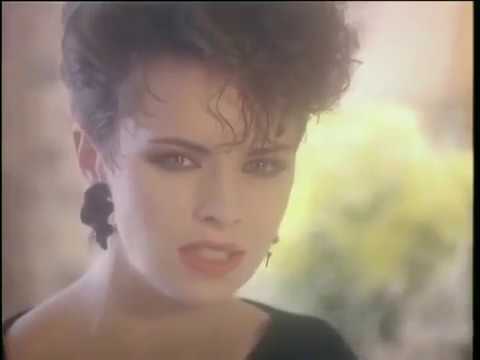



→ More from the 1980s File
View all 1980s hits →

Keep digging