The 1980s File Feature
(You're My One And Only) True Love
(You're My One And Only) True Love: Seduction and the Freestyle Moment of 1989 Seduction was one of the more commercially successful acts to emerge from the …
01 The Story
(You're My One And Only) True Love: Seduction and the Freestyle Moment of 1989
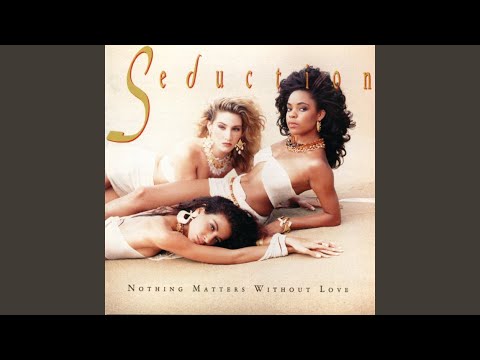
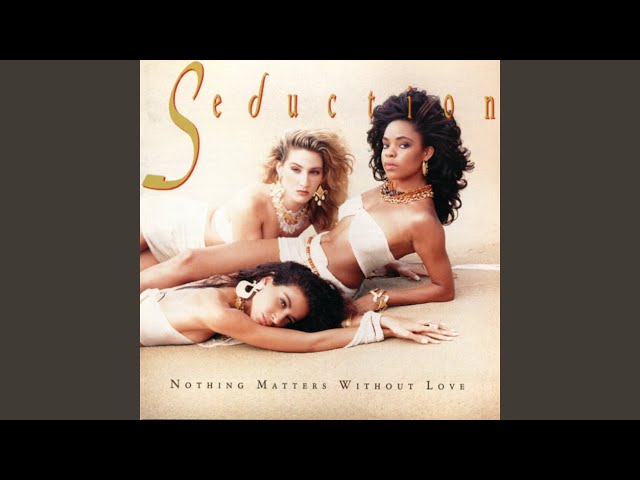
Seduction was one of the more commercially successful acts to emerge from the freestyle and dance-pop movement that flourished in American urban markets during the late 1980s. The trio, comprising April Harris, Idalis Leon, and Michelle Valentine, had been assembled through the network of producers and record labels operating in New York City's freestyle scene, a genre that blended Latin rhythms, synthesizer-driven production, and melodic pop songwriting into a sound that found its most enthusiastic audience in the Northeast and among Latino and Black urban communities.
The group recorded for Vendetta Records, distributed through A&M, an arrangement that gave them access to a major label's distribution and promotional infrastructure while operating within a boutique context that allowed for the specific targeting of the dance market. A&M Records under the leadership of Gil Friesen had demonstrated a consistent ability to work with dance-oriented acts without imposing the kind of mainstream pop compromises that could dilute the appeal to specialist audiences, and Seduction benefited from this relatively sympathetic corporate environment.
The freestyle scene from which Seduction emerged was concentrated in the New York metropolitan area and had developed during the early to mid-1980s as a response to the electronic sounds of Miami bass and the Latin rhythmic traditions of the communities that formed the genre's core audience. Producers working in this idiom prioritized synthesizer-based arrangements, programmed drum tracks, and melodic vocal hooks that could translate equally well to radio and dance floor contexts. The production approach was simultaneously emotionally accessible and physically functional, which was essential in a market where club DJs and radio programmers were equally important gatekeepers.
Released in 1989 on Vendetta/A&M, "(You're My One And Only) True Love" represented Seduction's strongest commercial performance, entering the Billboard Hot 100 and demonstrating the crossover potential of freestyle to mainstream pop audiences. The track's success was part of a broader moment of visibility for the freestyle genre, which was attracting increasing attention from major labels and mainstream media precisely because its combination of melodic accessibility and rhythmic drive proved appealing to listeners beyond the core audience of urban dance music fans.
The production of the track employed the characteristic elements of late-1980s freestyle production: a synthesizer-driven arrangement with programmed percussion, a prominent bass line, and layered vocal performances that demonstrated the harmonic capabilities of the group's three-voice lineup. The production aesthetic was clean and precise, reflecting the influence of both the electronic dance music of the period and the melodic pop traditions that freestyle consistently incorporated. This dual orientation was central to the genre's crossover appeal.
Seduction's vocal approach distinguished them within the freestyle market. All three members of the group had strong voices capable of carrying melodic material with conviction, and the combination of their different vocal personalities created a distinctive ensemble sound. April Harris in particular was recognized as an exceptionally gifted vocalist whose abilities went beyond the modest requirements of much freestyle production, giving the group's recordings a quality of vocal sophistication that helped differentiate them from less talented competitors.
The late-1980s pop landscape was fiercely competitive, with dance music in multiple subgenres competing for chart positions alongside mainstream pop, rock, and the emerging sounds of new jack swing. In this environment, Seduction's ability to place singles on the Hot 100 while maintaining credibility with the freestyle core audience was a genuine commercial achievement. The group navigated the tension between specialist appeal and mainstream accessibility with more success than many of their contemporaries.
The decline of freestyle as a mainstream commercial force in the early 1990s, as new jack swing, hip-hop, and the emerging sounds of what would become dance music's next generation displaced the genre from radio playlists, meant that Seduction's commercial window was relatively brief. However, within that window, the group produced a body of work that captured the essential qualities of freestyle at its most commercially potent, and "(You're My One And Only) True Love" remains one of the more frequently cited examples of the genre's mainstream crossover potential.
Freestyle's cultural legacy has grown in retrospect as listeners and critics have reassessed the genre's role in the development of American dance music. The Latin-inflected rhythmic sensibility and the melodic pop orientation that characterized freestyle at its best proved influential on subsequent genres, and the communities that had embraced freestyle most enthusiastically have maintained and celebrated its legacy through dedicated radio programming, nostalgia events, and the work of genre historians who have documented its social and musical significance.
02 Song Meaning
Devotion and Certainty: The Meaning of (You're My One And Only) True Love
"(You're My One And Only) True Love" occupies the romantic territory of absolute certainty and unambiguous devotion. The parenthetical framing of the title is itself revealing: the assertion that "you're my one and only" sits alongside the declaration of "true love" as a kind of double affirmation, a redundancy that communicates the intensity of the narrator's conviction rather than adding new information. To call someone both "one and only" and "true love" is to insist on the singular, irreplaceable nature of the emotional connection through accumulation rather than through precision.
This mode of romantic declaration was central to the freestyle genre as a whole. Freestyle songs consistently operated in the register of heightened emotional certainty, presenting love and desire with a directness and intensity that resisted irony or qualification. Where other contemporary pop genres were exploring more ambiguous emotional territory, freestyle maintained a commitment to the clear, emphatic expression of romantic feeling that connected it to earlier traditions of Latin pop and R&B ballad singing.
The performance by Seduction gives the sentiment the emotional conviction it requires. Freestyle's vocal approach tended toward the emotionally direct and the vocally full, avoiding the detached cool that characterized some other dance music genres. The group's three-voice ensemble adds harmonic richness to the declaration, transforming what might otherwise be a solo romantic confession into something that feels communal, a shared affirmation of love's primacy.
The sonic environment of the production reinforces the emotional content. The synthesizer-based arrangement creates a sense of momentum and urgency that supports the intensity of the declaration, while the melodic hook ensures that the central sentiment is as memorable as possible. In the freestyle tradition, the relationship between the physical energy of the music and the emotional intensity of the lyrical content was deliberate, with producers understanding that the dance floor context amplified the emotional impact of romantic declarations rather than diluting it.
The historical context of 1989 gives the song additional resonance. The late 1980s was a period when the AIDS crisis was reshaping attitudes toward romance and sexuality across American culture, and the kind of absolute romantic certainty the song celebrates, "one and only," "true love," carried a particular weight in a moment when the stakes of romantic connection had been transformed by the epidemic. Freestyle's consistent celebration of romantic devotion and fidelity was not unrelated to this social context.
For Seduction's artistic identity, the song represents the kind of material that was essential to the group's appeal. Freestyle audiences expected from their favorite artists both dance floor energy and genuine romantic feeling, and the best examples of the genre, including this track, delivered both simultaneously. The combination of physical momentum and emotional sincerity was a distinctive achievement of the genre at its best, and it explains why freestyle's core audience maintained such passionate loyalty to its artists even as mainstream taste moved on to other sounds.
The song's lasting appeal within the freestyle community speaks to the durability of its emotional content. The declaration of exclusive, absolute romantic love does not age in the way that more topically specific material does, and the clean production of the track has translated reasonably well across the decades, allowing new listeners to encounter it without the distancing effect that more extreme period production can create. Within the community that remains devoted to freestyle as a cultural and musical tradition, the song continues to be celebrated as an example of the genre at its most effective.
→ More from Seduction
View all Seduction hits →
→ More from the 1980s File
View all 1980s hits →
Keep digging