The 1980s File Feature
He Got You
He Got You — Ronnie Milsap Nashville in the summer of 1982 was a city in the middle of a quiet revolution. Country music had spent years negotiating the tens…
01 The Story
He Got You — Ronnie Milsap
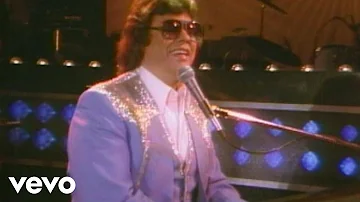
Nashville in the summer of 1982 was a city in the middle of a quiet revolution. Country music had spent years negotiating the tension between its roots and the crossover ambitions that the "countrypolitan" era had introduced, and by the early 1980s the genre was producing a generation of artists who wore that tension openly and productively. Ronnie Milsap sat at the very center of this moment, a blind singer from North Carolina whose voice could move from pure country warmth to something approaching pop or soul without the seam showing. He Got You arrived on the Hot 100 in August 1982, the kind of record that illustrated exactly how Milsap had built one of the more durable careers in country music.
A Voice That Crossed Every Boundary
Ronnie Milsap had been making records since the late 1960s, but his commercial breakthrough came in the mid-1970s when he signed with RCA and began releasing a string of country hits that frequently crossed into the pop chart as well. What made Milsap unusual in the country landscape was the breadth of his influences: he had absorbed gospel, R&B, and rock and roll as thoroughly as he had absorbed country, and those elements surfaced in his phrasing, his piano playing, and his production choices in ways that could surprise listeners who assumed they knew what a country record should sound like. By 1982, Milsap had accumulated multiple Grammy Awards and had established himself as one of the reliable hitmakers in Nashville, the kind of artist whose records got played and bought regardless of the season.
The Sound of "He Got You"
The record belonged to the polished country-pop production style that dominated Nashville radio in the early 1980s. Milsap's piano was central to the arrangement, as it almost always was, giving the track the signature Milsap texture that his audience recognized and sought out. The production had the warmth and clarity that Nashville's best studios were producing in this period, with the strings and rhythm section calibrated to serve the vocal without overwhelming it. Milsap's voice was the instrument everything else was designed to support, and on a record like He Got You, that voice delivered with the ease of a performer who had been doing this for over a decade.
The Chart Run
He Got You debuted on the Billboard Hot 100 on August 21, 1982, entering at number 84. It moved with steady upward momentum over the following weeks: to 72, then 63, then settling at its peak position of number 59 during the week of September 11, 1982, where it held for two consecutive weeks. Seven weeks on the chart in total. For a country record crossing over to the pop chart in this era, that was a respectable performance. The Hot 100 in the fall of 1982 was heavily populated by new wave, post-disco pop, and early MTV-era hits, making any country record's crossover showing a genuine measure of broad audience appeal.
Country Crossover in Context
The early 1980s represented an interesting period for country music's relationship with the mainstream pop charts. The urban cowboy trend, sparked partly by the 1980 John Travolta film, had briefly brought country music to new audiences and fueled a wave of crossover activity. By 1982, that specific trend had crested, but artists like Milsap, Kenny Rogers, and Willie Nelson had demonstrated that country artists could sustain pop chart presence without the assistance of a cultural moment. Milsap's crossover success was built on the consistency of his craft rather than on the temporary enthusiasm of a trend, which made it more durable when the trends shifted.
The Career Architecture
Placing He Got You within Milsap's catalog requires acknowledging the sheer volume of the man's commercial success. He was one of the most successful country artists of the 1970s and 1980s by any quantitative measure, and his chart history on the country chart is more impressive than his Hot 100 appearances alone can suggest. The pop chart crossovers were the visible tip of an iceberg of sustained country radio success that kept him commercially relevant across multiple decades. His 1982 material belongs to the peak of his commercial powers, a period when his recordings consistently connected with the large audience he had built through years of touring and recording.
Why Milsap's Records Hold Up
Country-pop production from the early 1980s is not universally beloved in retrospect; some of it sounds dated in ways that the more stripped-down records of the same era do not. Milsap's recordings tend to survive this scrutiny better than most, partly because his piano-driven arrangements have an inherent solidity that production trends can date but cannot fully obscure, and partly because his voice is simply too distinctive to become invisible inside any production style. The instrument is the point, and the instrument is always present. He Got You is a record that sounds like Ronnie Milsap, which is ultimately what his audience was buying.
Let that piano run and give the man a proper listen.
"He Got You" — Ronnie Milsap's singular moment on the 1980s charts.
02 Song Meaning
Love Won and Lost: The Emotional Architecture of "He Got You"
Country music has returned to the territory of romantic loss more consistently than perhaps any other popular genre, and for good reason: the experience of losing someone to another person is universal, painful, and almost infinitely variable in its specific circumstances. He Got You by Ronnie Milsap operates within this tradition, delivering an accounting of romantic displacement that the genre had been refining since long before Milsap's career began.
The Scorekeeping of Heartbreak
The title itself sets up the song's rhetorical structure: a comparison, with someone else on the winning side. Country songs in this tradition frequently adopt a kind of painful inventory, listing what was shared and what has been lost to a rival, and this approach works because it gives the grief a shape that listeners can follow. The emotional logic of comparison is instantly recognizable: if you have ever measured yourself against someone who ended up with a person you loved, the feeling the song describes needs no further explanation. The specificity of the framing is part of the appeal.
Milsap's Vocal Interpretation
What distinguishes Milsap's performance of material like this from the ordinary competent Nashville vocal is the quality of feeling he locates in the delivery. He had absorbed enough gospel and soul to understand how to inhabit an emotion without performing it mechanically, and his blindness shaped a relationship with music that was entirely about hearing and feeling rather than appearance and image. The emotional authenticity in his voice was not a technique but a disposition, the product of a life spent inside the music rather than in front of it.
The Social Context of Early 1980s Country
Early 1980s country was grappling with some of the same social tensions that characterized American life more broadly: shifting gender roles, changing economic realities, the complicated legacy of the 1970s. Country love songs of this era often carried traditional values about relationships alongside a growing awareness that those traditions were under pressure. He Got You participates in this cultural moment by telling a story of romantic loss in familiar terms, offering its audience the comfort of recognized emotions in a period when much else felt unsettled.
Genre and Emotional Permission
One of country music's genuine cultural functions has been to grant permission for emotional expression that other genres sometimes coded as weakness. The direct acknowledgment of pain, loss, and longing in country lyric tradition gave listeners a language for experiences that the dominant culture might otherwise expect them to endure silently. Milsap's recordings participated in this function across his career, providing his audience with well-crafted vehicles for the full range of romantic experience. He Got You is one more entry in that long tradition of emotional permission.
Why the Record Crossed Over
Pop audiences in 1982 were not strangers to songs about romantic loss; the pop chart was full of breakup records in various configurations. What the Milsap crossover represented was a demonstration that the country approach to this subject matter could find purchase with listeners who did not primarily identify as country fans. The production was polished enough to sit comfortably on pop radio, but the emotional directness of the performance was country in the best sense: unflinching about the feeling, confident that the feeling was worth expressing. That combination traveled well across the genre boundary and explains why the Hot 100 remained accessible territory for Milsap throughout his commercial peak.
→ More from Ronnie Milsap
View all Ronnie Milsap hits →



→ More from the 1980s File
View all 1980s hits →




Keep digging