The 1980s File Feature
Without Your Love
Without Your Love — Roger Daltrey (1980) "Without Your Love" gave Roger Daltrey one of his most successful solo moments, a polished and emotionally direct ba…
01 The Story
Without Your Love — Roger Daltrey (1980)
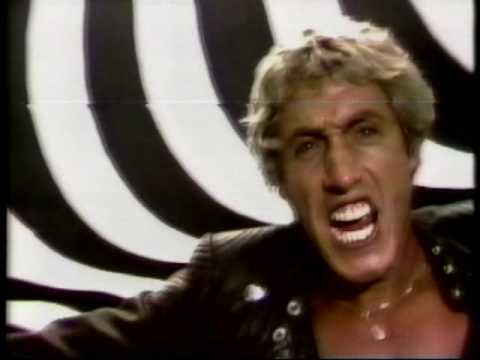
"Without Your Love" gave Roger Daltrey one of his most successful solo moments, a polished and emotionally direct ballad that demonstrated his ability to connect with mainstream pop audiences outside the context of the band that had made him famous. Released in 1980 on Polydor Records in the United Kingdom and MCA Records in the United States, the song reached the Billboard Hot 100 and showed that the Who's lead vocalist possessed both the vocal gifts and the commercial instincts to sustain a parallel solo career alongside his responsibilities to one of rock's defining groups.
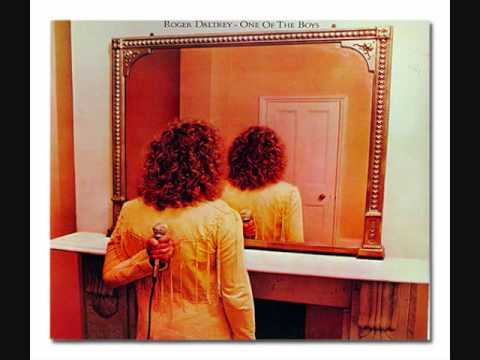
Roger Daltrey's relationship with solo work had been complicated by his primary identity as the voice of the Who, a band whose artistic and commercial scale was large enough to make any side project appear secondary by comparison. His earlier solo efforts, beginning with the 1973 self-titled album and continuing through records like "Ride a Rock Horse" and "One of the Boys," had demonstrated genuine musical ambitions but had never quite broken through to the sustained commercial success that would have established him as a major solo presence independent of his band identity.
"Without Your Love" represented a more focused attempt to connect with the mainstream pop market. The song was written by Andy Hill and John Danter, professional songwriters rather than members of the Who's creative circle, which gave it a different character from Daltrey's earlier solo work and signaled his willingness to work with outside material when it suited his purposes. The production, polished and contemporary for the period, placed the song comfortably within the mainstream pop framework of 1980 while leaving sufficient space for Daltrey's powerful vocal to assert itself.
The year 1980 was a particularly charged one for the Who and for rock music more broadly. The band had suffered the devastating loss of Keith Moon in September 1978, and the question of whether and how they would continue had hung over them through the subsequent two years. Kenney Jones had taken over on drums, and the band had released "Face Dances" in 1981, but the period around "Without Your Love" was one in which the Who's future remained genuinely uncertain. Daltrey's solo activities during this time were therefore more than simply artistic diversions; they were also practical preparation for the possibility of a future in which the Who might not continue.
Daltrey's vocal performance on the record showcased the qualities that had made him one of the most admired voices in rock: the sheer power of his delivery combined with an emotional directness that could communicate feeling across an arena or through a car radio speaker with equal effectiveness. Unlike many rock vocalists who struggled with the more restrained demands of pop ballad recording, Daltrey had always possessed the technical control to modulate his voice from the full-throttle expressiveness of rock to the more intimate register that pop songwriting requires.
The commercial performance of "Without Your Love" was solid rather than spectacular, the kind of chart showing that demonstrated real mainstream appeal without quite crossing into the major hit category. Its Hot 100 placement confirmed that Daltrey had an audience for his solo work that extended beyond the existing Who fanbase, since the fans who followed the band to its solo projects represented a narrower demographic than the general pop audience that a Hot 100 placement requires.
The promotional campaign for the single benefited from Daltrey's high public profile as a result of his continuing association with the Who and from the successful film and soundtrack work he had been involved with, most notably the film version of "Tommy" and the subsequent "The Kids Are Alright" documentary. These projects had kept his name and face in public consciousness in ways that extended his visibility beyond purely musical contexts.
Critics who engaged with the record generally praised Daltrey's vocal performance while noting that the material itself did not quite match the ambition of his best work with the Who. This was a characteristic response to his solo output: the voice was beyond question, the question was always whether the songs were worthy of it. "Without Your Love" was regarded as competent and commercially effective rather than artistically revelatory, an assessment that accurately reflected its design intentions if not always its reception.
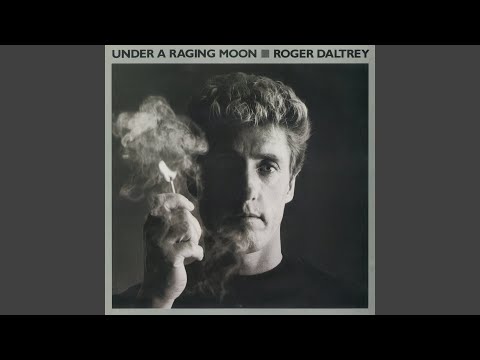
Daltrey's 1975 solo album "Ride a Rock Horse" had reached number fourteen on the UK Albums Chart, demonstrating that he had an audience for his solo work separate from the Who's own fanbase. The song's place in Daltrey's career is that of a professional and commercially successful interlude during a transitional period for both the artist and the band he represented. It demonstrated that his talent was not inseparable from the Who's collective genius, that the voice which had carried "Won't Get Fooled Again" and "Behind Blue Eyes" was equally capable of connecting with audiences in a completely different musical context. This was a meaningful demonstration, even if the song itself did not achieve the cultural resonance of his greatest work.
02 Song Meaning
Meaning and Themes: Without Your Love — Roger Daltrey
"Without Your Love" belongs to the tradition of romantic ballads organized around the theme of dependency, the recognition that a particular relationship has become so central to the narrator's sense of self and wellbeing that its absence would constitute a genuine diminishment of his capacity for life. This is a theme as old as the love song itself, but its enduring appeal comes from the universality of the experience it describes: the discovery that another person has become necessary rather than merely desirable.
The emotional territory of the song is the space between possession and loss, the fearful awareness that something precious is held rather than guaranteed. The narrator is not singing from a position of actual deprivation but from the imagined position of what deprivation would mean, using hypothetical loss as a way of declaring the value of what is currently held. This is a psychologically familiar mode: the clearest moments of gratitude are often those in which we contemplate what our lives would look like without what we have been given.
Roger Daltrey's vocal interpretation of this theme carries the weight of his particular artistic identity. Throughout his career with the Who, Daltrey had specialized in a kind of muscular emotional expressiveness, the ability to convey feeling with a directness and force that could not be dismissed or ignored. Applied to material as intimate as a love ballad, this quality creates an interesting tension between the scale of the vocal delivery and the private nature of the emotional content.
The biographical context of the song's release adds resonance to its themes. Daltrey was recording and releasing solo material during a period when the Who had suffered an irreplaceable loss with Keith Moon's death, and the question of continuity and dependency was not merely abstract for him. What it means to lose something central to your creative and personal identity, what life looks like "without" a defining presence, was a question he was navigating in practical terms as the song was being made.
The production and arrangement of the record situate the song within the mainstream pop idiom of 1980, a period when rock vocalists frequently crossed into more overtly commercial territory to demonstrate their range and to reach audiences that the harder edges of rock music might have alienated. This crossing over was not universally welcomed by rock critics or core fans, who sometimes perceived it as a dilution of artistic identity. But the best examples of the form, and Daltrey's performance here qualifies, demonstrated that the skills required for emotional communication in rock and in pop are fundamentally the same, differing in degree rather than kind.
The song's emotional simplicity is a feature rather than a limitation. Not every significant piece of songwriting needs to be complex or ambiguous; sometimes the most honest artistic act is the direct statement of a feeling that most people recognize but rarely hear named so plainly. "Without Your Love" makes no claim to complexity or irony; it states its subject with the kind of directness that Daltrey's vocal style was perfectly designed to deliver, and it achieves its modest but genuine emotional aim with professionalism and warmth.
Within the broader context of Roger Daltrey's career, the song represents his most successful engagement with the mainstream pop ballad form, demonstrating that his artistic identity was robust enough to survive translation into a very different musical context without losing its essential character. The same quality that made him one of rock's great voices, an ability to make the listener feel that the emotion being expressed is real rather than performed, worked equally well in a pop setting. This was the song's quiet but genuine achievement.
→ More from Roger Daltrey
View all Roger Daltrey hits →

→ More from the 1980s File
View all 1980s hits →

Keep digging