The 1980s File Feature
Lost In You
Rod Stewart's Lost In You Marks A Return It is the spring of 1988, and a rock veteran is staging a comeback. After a decade of pop hits, disco flirtations, a…
01 The Story
Rod Stewart's "Lost In You" Marks A Return
It is the spring of 1988, and a rock veteran is staging a comeback. After a decade of pop hits, disco flirtations, and ballads that filled radio playlists, Rod Stewart had reached a point where audiences wondered whether his best days were behind him. The raspy-voiced Scotsman had other ideas. With "Lost In You," the lead single from a new album, Stewart announced his intention to reconnect with the rootsier, more rock-driven sound that had made his name in the first place.
A Star Reaching For His Roots
By 1988, Stewart was already a rock institution, his career stretching back to his work with the Jeff Beck Group and the Faces before his enormous solo success in the 1970s. He had spent the early 1980s riding the glossy pop and new-wave currents of the era, sometimes to the dismay of fans who missed his grittier side. The album Out of Order represented a conscious recalibration, a move back toward muscular, guitar-forward rock, and "Lost In You" was the statement of intent that opened it.
A Punchy Return To Form
The single delivered exactly the energy its mission required. "Lost In You" was an anthemic, mid-tempo rocker, driven by a strong beat and a soaring, passionate vocal that reminded listeners just how distinctive Stewart's voice remained. The production had the polished sheen of late-1980s rock radio, but the song's bones were sturdy and direct. It was built to be played loud, to fill arenas, and to reassert Stewart's credentials as a rocker rather than merely a balladeer. The comeback narrative gave it extra momentum.
A Climb Into The Top Fifteen
The chart performance confirmed that audiences were glad to have him back. "Lost In You" debuted on the Billboard Hot 100 at number 76 on May 7, 1988, and steadily ascended through the late spring and early summer. It reached its peak of number 12 on July 16, 1988, and enjoyed a healthy run of 18 weeks on the Hot 100. A top-15 placement and an extended chart life confirmed that Stewart's return to a harder sound had connected, reestablishing his commercial relevance at a moment when many of his peers were fading. The gamble had paid off.
An Album That Restored His Footing
The single did not work alone. Out of Order proved a substantial commercial success, spinning off several hits and reestablishing Stewart as a vital force on rock radio rather than a nostalgia act. The album's harder, more guitar-driven approach won back fans who had drifted during his glossier early-1980s phase, and it gave him a fresh creative identity to carry forward. The record's strong sales and multiple charting singles confirmed that the comeback was no fluke. It was a calculated reinvention that genuinely connected, the kind of mid-career course correction that many veteran artists attempt and few pull off so convincingly.
Reviving A Storied Career
The success of "Lost In You" and its parent album reinvigorated Stewart's career and set him up for continued success into the 1990s. It proved that the singer still had a substantial audience and that returning to his rock roots was a winning strategy. The song stands as a marker of resilience, the sound of a veteran refusing to be written off and instead reminding the world of his enduring appeal. It bought him another vital chapter in a remarkably long career.
Press Play And Hear The Comeback
Cue this one up and you can hear the hunger in it, a star with something to prove digging back into the sound that made him. Stewart's voice is in fine, gravelly form, and the song drives forward with real conviction. Press play and hear a rock survivor reclaim his throne.
"Lost In You" — Rod Stewart's singular moment on the 1980s charts.
02 Song Meaning
The Meaning Behind Rod Stewart's "Lost In You"
The meaning of "Lost In You" lives in its title: this is a song about surrendering completely to love, about being so consumed by another person that you lose all sense of yourself. It is a passionate declaration of total devotion, the kind of all-consuming romantic abandon that pop and rock have celebrated for generations. The narrator does not merely love; he disappears into love entirely.
The Joy Of Surrender
At its heart, the lyric describes the exhilarating feeling of being utterly overtaken by desire and affection. To be "lost" in someone is to give up control willingly, to let another person become the center of your world. The song frames this loss of self not as a danger but as a thrill, a state of bliss to be embraced. It captures the heady early rush of love when the rest of life recedes into the background.
Passion Made Physical
The driving, anthemic arrangement reinforces the lyric's intensity. The energy of the music mirrors the overwhelming nature of the emotion being described, turning private feeling into something big and physical. Stewart's gravelly, impassioned vocal sells the sincerity of the surrender, making the listener believe in the depth of his devotion. The sound and the sentiment pull in the same direction, amplifying each other.
A Rocker's Romantic Heart
Coming during Stewart's return to a harder rock sound, the song blends rugged energy with genuine romantic tenderness. That combination was central to his enduring appeal: a singer who could be both a swaggering rock star and an unabashed romantic. The meaning of the song is partly about that duality, the way passion can be both powerful and vulnerable, both loud and deeply felt. It refuses to choose between toughness and tenderness.
The Vulnerability In Letting Go
There is a quiet courage in the kind of surrender the song describes. To lose yourself in another person is to make yourself vulnerable, to hand over a measure of control and trust that the other will not let you fall. The narrator embraces that risk willingly, even joyfully. That willingness to be exposed is what gives the song its emotional honesty. It is not a guarded or cautious love but a wholehearted plunge, and the listener feels the bravery in that abandon as much as the bliss. Stewart's weathered voice makes the leap sound both reckless and entirely worth it.
Why It Resonated
The song connected because the feeling it describes is one almost everyone has known. The experience of being lost in love is universal, and the track gives that sensation a soaring, memorable voice. Stewart's heartfelt delivery made the emotion feel real rather than performed. That blend of rock energy and romantic sincerity is what gave the song its broad appeal. It celebrates the joyful danger of losing yourself in another person, and in doing so it speaks to anyone who has ever felt swept away.
→ More from Rod Stewart
View all Rod Stewart hits →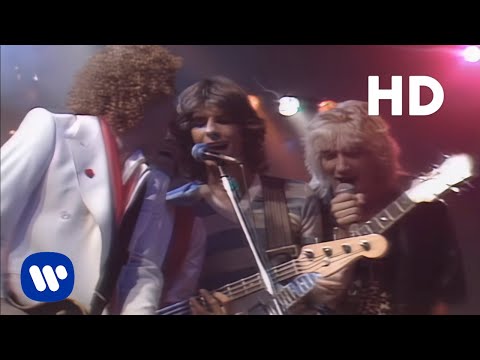




→ More from the 1980s File
View all 1980s hits →




Keep digging