The 1980s File Feature
Lights Out
Peter Wolf Goes Solo: The Making and Chart Life of "Lights Out" When Peter Wolf departed the J. Geils Band in 1983, he left behind one of the most successful…
01 The Story
Peter Wolf Goes Solo: The Making and Chart Life of "Lights Out"
When Peter Wolf departed the J. Geils Band in 1983, he left behind one of the most successful careers in American rock and roll: a band that had spent more than a decade building a reputation as one of the finest live acts in the country before achieving mainstream commercial breakthrough with "Centerfold" and "Freeze-Frame" in 1981 and 1982. The split was acrimonious, but Wolf wasted little time establishing the terms of his solo identity. "Lights Out," released in the summer of 1984, announced those terms with considerable force: a taut, muscular rock single that drew on the same blend of soul, R&B, and hard-driving rock that had always characterized Wolf's work while demonstrating that he could deliver that combination without the specific band context that had previously defined it.
Wolf had been born Peter Blankfield in the Bronx in 1946 and had developed his musical sensibility through immersion in both American R&B and the emerging Boston rock scene of the late 1960s. His work as a disc jockey at Boston radio station WBCN during the early years of his career had given him an encyclopedic knowledge of blues, soul, and rock that informed every performance he gave as a frontman. He was never simply a rock vocalist; he was a musicologist in performance, someone who understood the traditions he was working within and could activate their emotional power without losing the spontaneity that made live music compelling.
The debut solo album from which "Lights Out" was drawn was titled Come As You Are, released on EMI America Records in 1984. The album was produced with an understanding that Wolf needed to establish a solo identity that could stand independently of the J. Geils Band legacy while not abandoning the musical values that had made that legacy. The production was contemporary, incorporating the polished rock and R&B sounds that were dominating radio in 1984, but it retained enough grit and live energy to avoid the overproduced sterility that afflicted some rock records of the period.
"Lights Out" debuted on the Billboard Hot 100 on July 14, 1984, entering at number fifty-six. Its ascent was impressive: the single climbed to forty-one, then thirty-four, twenty-eight, and twenty-three in successive weeks before continuing its rise through August and into September. The record peaked at number twelve during the week of September 8, 1984, spending fourteen weeks on the Hot 100 in total. The peak position placed it in the top fifteen of the American chart, a meaningful achievement for a debut solo single from an artist whose previous success had been achieved entirely within a band context.
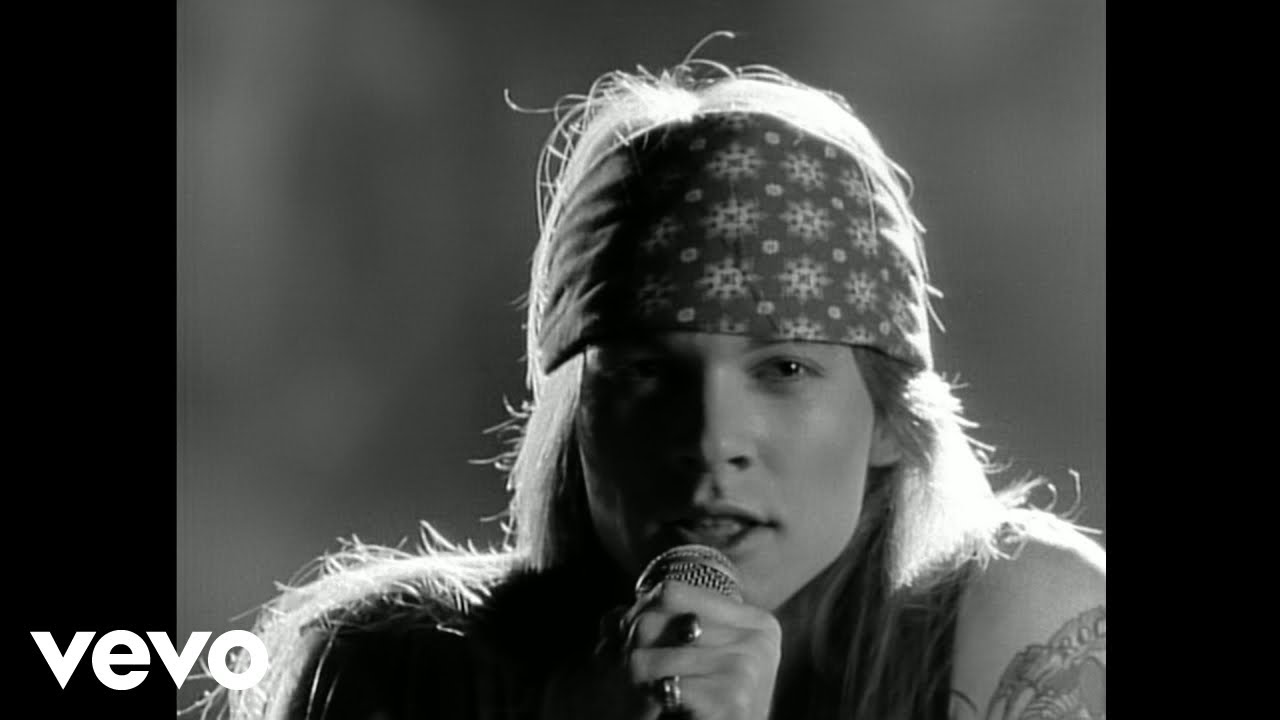
The promotional campaign for "Lights Out" was significant. MTV had transformed the promotional landscape for rock artists by 1984, and the video for "Lights Out" received substantial rotation, introducing Wolf to audiences who might not have been familiar with his J. Geils Band work. His presence as a performer translated well to the video medium: he possessed the kind of physical charisma and expressive intensity that the format rewarded, and the clip for "Lights Out" showcased his ability to command attention without the group context that had previously surrounded him. EMI America promoted the single aggressively in rock radio formats as well as MTV, and the combination of television and radio support drove the record's fourteen-week Hot 100 run.
Rock critics of the period received "Lights Out" with general warmth, recognizing in it the qualities that had always distinguished Wolf's work: the soulful vocal delivery, the physical energy of the rhythm section, the sense that the performer was genuinely present in and committed to the musical moment rather than executing a formula. Rolling Stone and other publications that had covered the J. Geils Band throughout their career noted the continuity of Wolf's musical values alongside the successful adjustment to a solo context.
The song's chart success validated Wolf's decision to pursue a solo career and established Come As You Are as a successful album rather than a failed attempt to replicate J. Geils Band success in a new format. The fourteen-week Hot 100 run and peak of number twelve represented genuine commercial achievement by any measure, and it demonstrated that Wolf's audience was prepared to follow him beyond the band context that had originally brought them to his music. The summer of 1984 belonged to a number of significant rock acts competing for radio time, and "Lights Out" held its own in that competitive environment with distinction.
02 Song Meaning
Release and Urgency: Reading Peter Wolf's "Lights Out"
"Lights Out" works primarily as a vehicle for a specific kind of urgent, almost feverish romantic proposition: the idea that the moment of darkness, when the lights go down and social performances become unnecessary, is when genuine connection becomes possible. Peter Wolf had always been a performer who understood the relationship between physical space and emotional permission, and "Lights Out" places that understanding at the center of its lyrical and musical argument. The title functions as both a literal instruction and a metaphorical invitation: extinguish the sources of visibility that keep people performing for an audience and allow something more real to emerge.
The musical setting reinforces this reading at every level. The driving rhythm section, the insistent guitar work, the urgency of Wolf's vocal delivery: these all create a sense of building pressure that mirrors the emotional state the lyrics are describing. The song does not allow for hesitation or qualification; it presses forward with the kind of focused energy that suggests the narrator has been waiting for this moment and is not prepared to let it pass. This combination of lyrical directness and musical momentum was among the most reliable tools in the rock and R&B tradition Wolf had spent his career studying and practicing.
The soul and R&B influences on the recording are significant to its meaning. Wolf had developed his musical sensibility through deep engagement with African American musical traditions, and "Lights Out" participates in a long history of songs within those traditions that understand romantic desire as something urgent, physical, and worth declaring with full vocal and instrumental force. The song does not condescend to its subject matter or approach romantic urgency with ironic distance. It treats the desire for physical closeness as a legitimate and serious subject for musical expression, which was always the assumption underlying the best work in the soul tradition Wolf revered.
As a debut solo statement, the song carried additional meaning that went beyond its explicit lyrical content. Wolf was, in a sense, also saying "lights out" to his J. Geils Band identity: declaring that the illumination under which he had spent the previous decade performing was going off, and that what emerged in its absence would be something genuinely his own. This reading may not have been consciously intended, but it was available to listeners who knew the circumstances of his departure from the band, and it gave the recording an additional layer of biographical resonance.
The production choices of 1984 shaped how these meanings were delivered. The decade's characteristic attention to sonic clarity, to separating each instrumental element in the mix so that nothing blurred into anything else, suited the song's emotional urgency by making every element of the arrangement audible and accountable. Nothing was buried; everything contributed. Wolf's vocal performance was given the prominence it needed, placed at the center of the mix where it could demonstrate the full range of his interpretive gifts without competition from an overly dense instrumental texture.
In the context of Wolf's solo career, "Lights Out" established a template that would inform his subsequent recordings: rock music grounded in soul and R&B, driven by rhythmic urgency and vocal expressiveness, treating romantic and physical desire as worthy subjects for serious musical attention. The song announced that the transition from band frontman to solo artist had not required any fundamental compromise of artistic identity, which was perhaps the most important statement it made. What came after when the lights went out, the song suggested, was not diminishment but the possibility of something more genuine.
→ More from Peter Wolf
View all Peter Wolf hits →


→ More from the 1980s File
View all 1980s hits →



Keep digging