The 1980s File Feature
Slow Dancin'
The Smooth Devotion of Slow Dancin' by Peabo Bryson By the mid-1980s, Peabo Bryson had already established himself as one of R B's most reliable romantic bal…
01 The Story
The Smooth Devotion of "Slow Dancin'" by Peabo Bryson
By the mid-1980s, Peabo Bryson had already established himself as one of R&B's most reliable romantic balladeers, a singer whose warm, controlled tenor made him a natural fit for the smooth, adult-oriented soul sound dominating urban radio at the time. "Slow Dancin'" arrived as part of that steady stream of romantic singles, a modestly performing entry in a catalog otherwise filled with far bigger hits and celebrated duets.
A Voice Built for Ballads
Bryson had spent the better part of a decade refining a vocal style built around restraint and warmth rather than vocal pyrotechnics, an approach that made him especially well suited to slow, romantic material aimed squarely at adult contemporary and R&B radio formats simultaneously. That reputation had already been cemented through a string of earlier singles and would soon be reinforced further by his famous string of duet partnerships with singers including Roberta Flack and later Regina Belle.
A Song Named for Its Own Purpose
"Slow Dancin'" wore its intention plainly in its title, a song explicitly built for the closing moments of a romantic evening, the kind of unhurried, close-embrace tempo that radio programmers and club DJs alike could reliably reach for whenever a set needed to shift into something more intimate. The production favored warm keyboards and a gentle rhythm section, giving Bryson's vocal plenty of open space to breathe throughout.
A Modest but Real Chart Entry
The single's commercial performance proved relatively modest by the standards of Bryson's larger hits, though it still managed a genuine appearance on the Billboard Hot 100. It debuted on the chart on September 29, 1984 at number 86 and climbed slightly before reaching a peak position of number 82 during the chart week of October 6, 1984. The song remained on the chart for four weeks total, a brief but legitimate run reflecting steady, if not overwhelming, radio interest at the time.
Part of a Larger, More Successful Catalog
Unlike some artists whose entire commercial identity rests on a single hit, Bryson's career was built on consistency across dozens of singles and albums, meaning a modest performer like this one sat comfortably within a much larger body of work rather than standing as any kind of career-defining moment on its own. That context matters for understanding the song's place: a competent, well-crafted example of his style rather than an outlier attempt at something new.
A Reliable Voice in a Crowded Format
Adult-oriented R&B ballads faced significant competition throughout the 1980s from a crowded field of similarly smooth-voiced male vocalists, and Bryson's ability to land even modest chart entries repeatedly speaks to just how trusted his voice had become among radio programmers and listeners alike during this period. Few singers of the era matched his sheer consistency across so many similarly themed romantic singles.
A Producer's Touch Behind the Scenes
The single's polished, warm production reflected the broader studio craftsmanship typical of mid-1980s R&B, where seasoned session musicians and arrangers worked carefully to create exactly the kind of unobtrusive, mood-setting backdrop a ballad like this one required to succeed.
A Radio Format Built for This Sound
Urban adult contemporary radio had, by the mid-1980s, carved out a durable niche specifically suited to exactly this kind of unhurried romantic material, giving singers like Bryson a reliable home even when their singles did not necessarily storm the broader pop chart. That format loyalty mattered enormously for an artist whose entire appeal rested on consistency and warmth rather than novelty or reinvention.
A Quiet Entry Worth Rediscovering
Heard today, "Slow Dancin'" offers a pleasant, unhurried glimpse of Bryson working comfortably within his established wheelhouse, a song that never aimed for anything more ambitious than providing exactly the mood its title promised. Press play and let its warm, patient groove carry you exactly where it was always designed to go.
"Slow Dancin'" — Peabo Bryson's singular moment on the 1980s charts.
02 Song Meaning
What "Slow Dancin'" by Peabo Bryson Is Really About
At its most basic level, this is a song about surrendering to a single, unhurried romantic moment, the specific pleasure of physical closeness with someone you care about set against a slow, deliberate tempo built for exactly that purpose.
Tempo as the Song's Entire Argument
The title itself announces the song's central idea plainly: an invitation to slow down, both literally in dance tempo and more broadly in the pace of a romantic evening, resisting any urge to rush toward whatever comes next. Peabo Bryson's unhurried vocal phrasing mirrors that same patience, never straining or rushing a single line throughout the entire performance.
Intimacy Through Restraint
Rather than relying on dramatic vocal runs or elaborate lyrical metaphor, the song communicates its romantic intent through sheer simplicity and warmth, trusting that a gentle groove and a sincere vocal delivery say more than ornate language ever could in this particular context. That restraint was very much a hallmark of Bryson's broader style throughout his career.
A Familiar Ritual Given Fresh Voice
Slow dancing itself functioned as a near-universal romantic ritual throughout mid-century American culture, and songs built explicitly around that ritual tapped into a shared cultural memory that made the material instantly relatable regardless of a listener's specific circumstances. That familiarity gave the song an accessible emotional entry point even for listeners encountering it for the first time.
Adult Contemporary's Quiet Confidence
Where some romantic ballads of the era leaned into longing or heartbreak, this one instead radiates simple contentment, the sound of a relationship already secure enough to enjoy a quiet, unremarkable evening together without any need for grand gestures or dramatic declarations.
A Song That Never Oversold Its Feeling
Rather than reaching for dramatic climaxes or vocal showmanship, the arrangement stays remarkably consistent from beginning to end, trusting the steady, unhurried mood to do all the necessary emotional work without ever needing a big moment to justify itself. That consistency is itself a kind of confidence, the sound of an artist who already knows exactly what effect he wants to create.
A Style That Rewarded Patience
Bryson's broader career rewarded listeners willing to appreciate subtlety over spectacle, and this single fits that same pattern precisely, a song that reveals its full charm only once a listener slows down enough to notice the small, deliberate choices in phrasing and arrangement. That patience, both musical and lyrical, is ultimately what made his catalog age so gracefully compared to flashier contemporaries.
Why the Simplicity Still Works
Decades after its release, the song's plain, unpretentious romantic sincerity remains its greatest strength, a reminder that not every love song needs elaborate storytelling to land emotionally. Sometimes, as Bryson understood so well, a slow tempo and a warm voice are entirely enough.
→ More from Peabo Bryson
View all Peabo Bryson hits →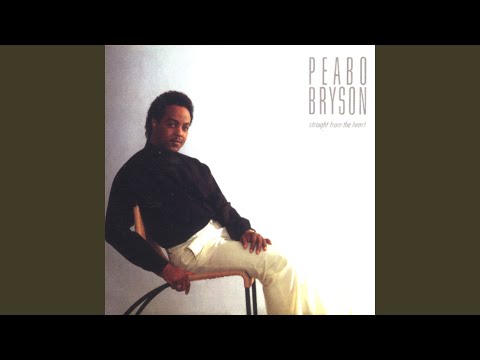

→ More from the 1980s File
View all 1980s hits →
Keep digging